
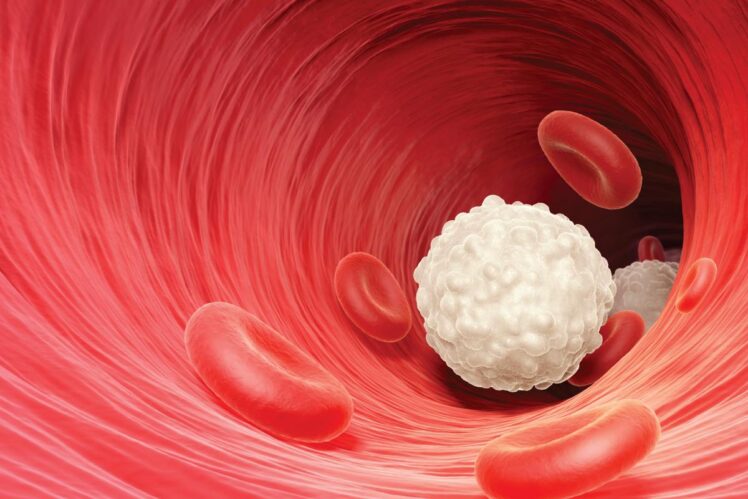
Blood carries all useful nutrients to your cells and is the ultimate barrier to intruders or infectious particles. The so-called red and white blood cells are the ones that carry oxygen to the various tissues and assist your defense, respectively.
Did you know that your blood makes up for 7% of your body weight? The most substantial parts of your circulation are the White Blood Cells (WBC). They can make you defeat any possible infection and can directly influence your immune system to produce antibodies against the same type of threats.
What are White Blood Cells?
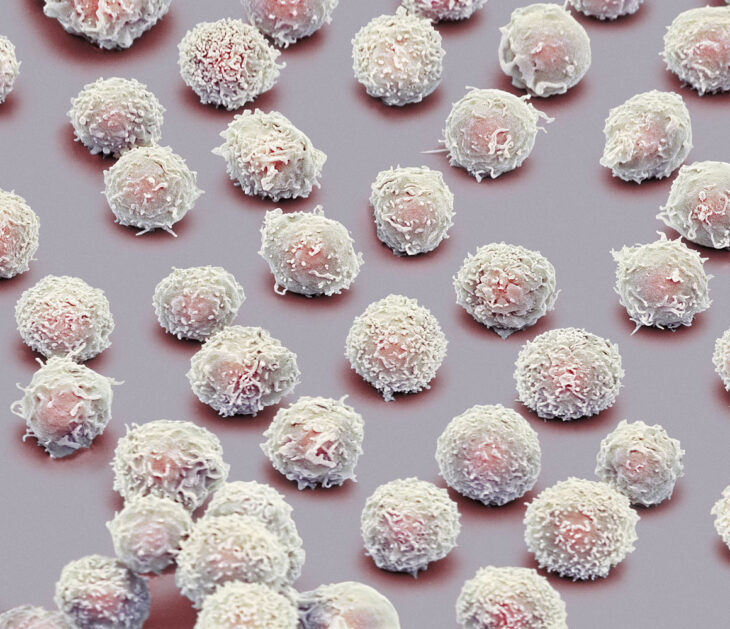
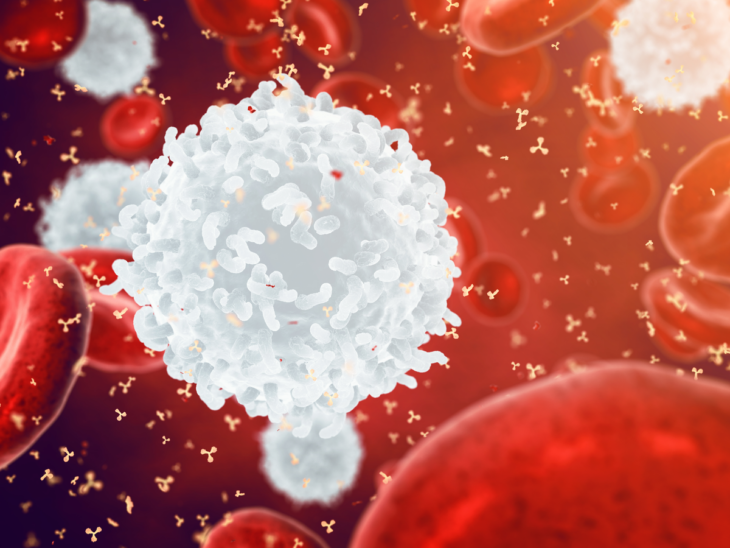
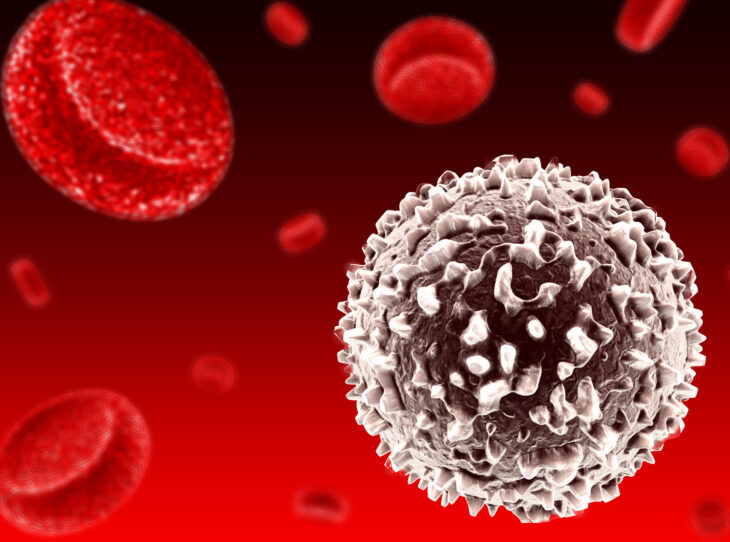
White blood cells, commonly abbreviated to WBCS, are an essential part of the body’s immune system. They help the body combat infections from viral and bacterial to inflammatory conditions and allergic reactions.
These types of cells are sometimes referred to as leukocytes or white corpuscle, not to get confused. Unlike red blood cells, WBCs lack hemoglobin, a protein that carries oxygen to the body’s organs. Instead, WBCS has a nucleus which signals when infections enter the body and produce antibodies.
Although white blood cells are found in circulation outside of the tissue in your body, they are found in the bone marrow and only found inside of the tissue when they are fighting off infection.
WBCs are made in the bone marrow, where around 80 to 90 percent of them are stored. The body releases the white blood cells from the bone marrow into the bloodstream and lymph tissue when bacteria and foreign invaders attempt to enter the body and immune system.
Source: For Care Education and Research
More on how they work is here:
How do White Blood Cells work?
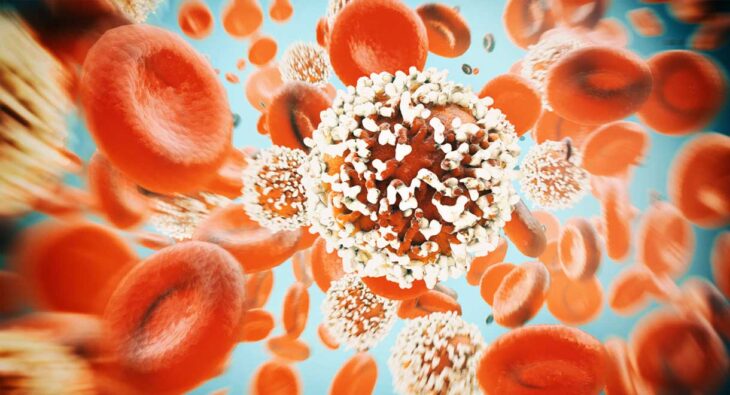
White blood cells sense harmful pathogens, gather at the site, and fight them off. When your body and the immune system become aware of the infection, viruses, and other foreign invaders, WBCs are released into the bloodstream to fight them off. When it does this, the cells create antibodies to protect your body and its cells against becoming infected to prevent illness.
They have a short lifespan of up to 3 days. Therefore your bone marrow is always making them inhibit shortage. This ensures your body will always have an ally to help fight off infections.
However, the body can sometimes be lower in white blood cells, which means there is less chance of fighting off the foreign invaders being successful. It is not always guaranteed that the WBCs count will be effective enough to inhibit infection.
White blood cell count fluctuates throughout the day, depending on your body’s activity status. Lower levels of WBCs when the body is resting, and they increase during activity and exercise. A high white blood cell count signifies that the cells are ready and able to fight off infection, which is more effective than a low blood count.
The survival of the cells depends on their energy conservation. WBCs require more energy than red blood cells, as they utilize chemical pathways and do so by producing protein. The energy is used to disperse into the bloodstream and fight off the invaders. There are 5 types, split into 3 classes, which all have special functions which all play different roles:
Types of White Blood Cells
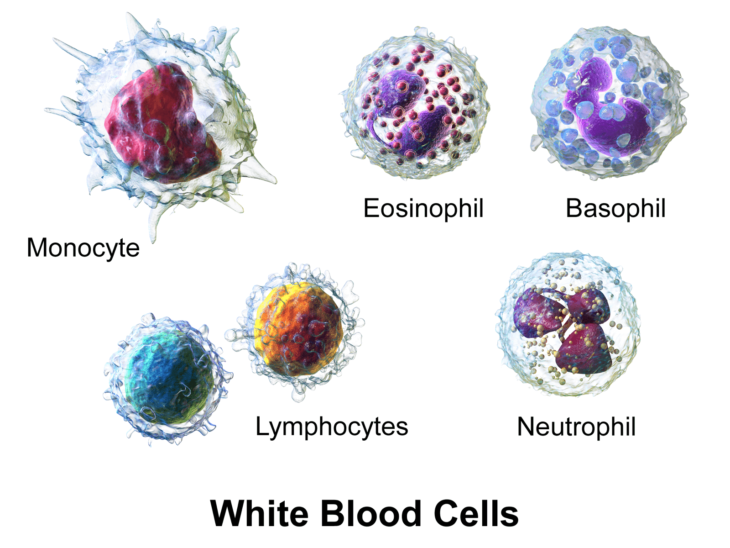
WBCs have been medically reviewed and divided into 3 major classes known as granulocytes, lymphocytes, and monocytes. Each cell class provides different functions to fight off different infections and illnesses.
Granulocytes: Rid the body of allergies and inflammation
These white blood cells contain small granules of protein necessary for ridding the body of allergies and inflammatory conditions. They are divided into three types:
- Neutrophils
Studies show that these granulocytes make up most of the WBCs in this class, between 50 and 80 percent. They are usually the first type of cell to release for fighting. Neutrophils work to surround the cells and destroy any bacteria which attempt to invade.
- Eosinophils
These cells are responsible for responding to the infection and arrive at the infected site after the neutrophils. Eosinophils work to maintain a healthy immune system and combat any inflammation.
- Basophils
Basophils have the lowest cell count in the granulocytes class, averaging at around 1 percent of the makeup. These are primary reactor cells for allergic reactions and release when the body experiences allergies.
Lymphocytes – Responsible for the recognition of invaders
The lymphocyte cell class is divided into two primary types, T cells and B cells. There is another type of lymphocyte which is less common but plays a key role in fighting cancer cells.
- T cells: T cells help the body recognize infected cells and remove them accordingly. These are also known as T-lymphocytes.
- B cells: B cells produce antibodies that work to help the immune system build a response to infection. These are also known as B-lymphocytes.
- Natural killer cells attack infected cells and viral cells as well as cancer cells, research suggests.
Monocytes: directly fight and clean up infectious sites
Monocytes compose around 4 to 8 percent of white blood cells. They move from the bloodstream to the site of infection to destroy it. After destroying the infection, monocytes clear up the infected site and free it of bad pathogens and cellular debris. They have a longer lifespan than the other classes of WBCS.
The ranges of WBCs count determines how effective your body and immune can be at fighting off infection. To understand more about the levels and what they mean here is more:
The Ranges of White Blood Cells
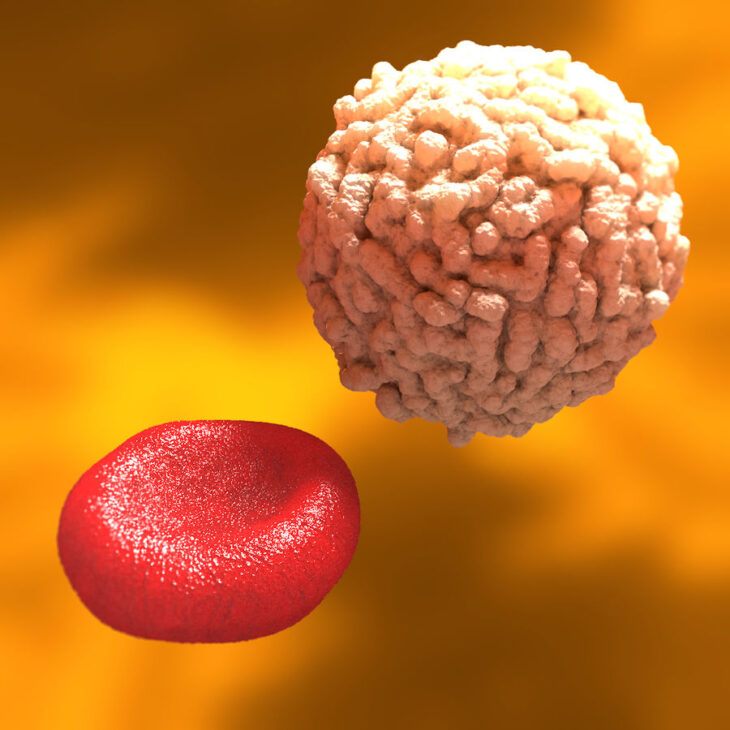
White blood cell ranges fluctuate throughout the day and depend on your body’s activity and health status. They tend to increase due to exercise, pregnancy, pain, labor, exertions, and decrease due to infections, disease, and malnutrition.
The American Family Physician released a report on the medically reviewed normal ranges/levels of WBCs count for each age group per cubic millimeter, which are as follows:
- Newborn infant = 13,000 – 38,000
- 2 week old infant = 5,000 – 20,000
- Pregnant woman during third trimester = 5,800 – 13,200
- Adult = 4,500 – 11,000
An increase in white blood cells is known as leukocytosis. This is where the body produces an abnormal level of WBCs; more than it should be. Leukocytosis could indicate several conditions such as allergic reactions, cell killing conditions (burns, heart attack, trauma), inflammatory diseases (arthritis, inflammatory bowel disease), infection, and leukemia.
In opposition to that, a decrease in WBCs is called leukopenia. This can be caused by autoimmune conditions (lupus, HIV), bone marrow damage (through chemotherapy, radiation therapy), leukemia, bone marrow disorders, lymphoma, sepsis, and vitamin deficiencies.
There are other causes of a change in white blood cell count. These are typical conditions that occur in the body, and as a result, WBCS alter:
Causes of WBCs Changing
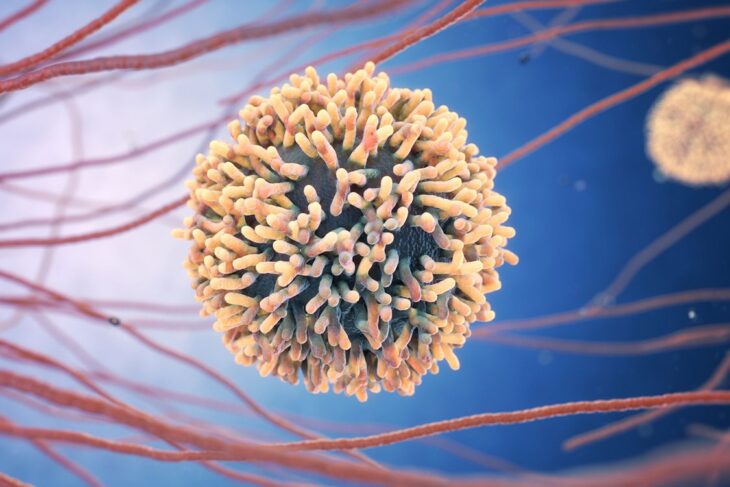
Certain medical and/or health conditions can cause a white blood level to increase or decrease substantially. This includes:
HIV
HIV is a human immunodeficiency virus that can be life-threatening. It can cause the T-cells, also known as CD4 cells, to decrease significantly. Research states that if the T-cell level drops below 200, doctors usually diagnose this as AIDS.
Evans Syndrome
Evans syndrome is a rare autoimmune disorder that forces the body to destroy the red and white blood cells. This can cause severe or life-threatening complications as the immune system becomes so weak it can no longer fight off infection.
Leukemia
Leukemia is cancer that occurs in the blood or bone marrow. This can cause a problem for the bone marrow to produce WBCs. Leukemia typically occurs when WBCS produces too quickly, and the cells are not effective at fighting off infection.
Aplastic Anemia
Aplastic anemia is an autoimmune disorder that slows down the production of blood cells to a dangerous level. This happens as the condition destroys stem cells in the bone marrow. Stem cells are responsible for creating WBCs, and when they are destroyed, they can no longer do so effectively.
Primary Myelofibrosis
According to Jakafi, this condition causes an overproduction of blood cells in the body. When this happens, the normal bone marrow tissue is replaced with scar-like tissue, and studies show that it eventually leads to bone marrow failure.
With all this information in mind on the increase and decrease of white blood cell and the causes, let’s discuss exactly how to measure:
How To Measure White Blood Cells

To test your WBCs count, a doctor will assess using a blood test specifically for white blood cells called complete blood count (CBC). Doctors typically appoint a WBCs test to rule out medical conditions.
The procedure
A blood sample is the most common. This is where the doctor will draw from a vein in the armor from the back of the hand. Complications and danger for a blood cell count are rare. If issues persist, a doctor can also assess other bodily fluids like cerebrospinal fluid, found in the brain and spinal cord, to check for the presence of white blood cells.
Tests are typically completed to assess allergies, autoimmune diseases, disorders, infections, deficiencies, and leukemia. The tests can also help determine the progression of a condition or efficacy of treatments.
Complications that could occur during testing
Here is no specific requirement for a complete blood count test to assess WBCs. However, there can be some complications due to medications that can interfere with the results, which includes:
- Antibiotics
- Chemotherapy medication
- Heparin
- Quinine
- Clozapine
- Antihistamines
- Corticosteroids
Your doctor will be able to assess the white blood cell count accordingly if any of the above medications intervene. It is just important to be aware that they may cause an error reading and to tell your doctor all medications you are currently taking so that they are aware an interference may occur.
Whether your white blood cell count is too low or too high, you can improve it:
How To Improve/Treat White Blood Cell Count
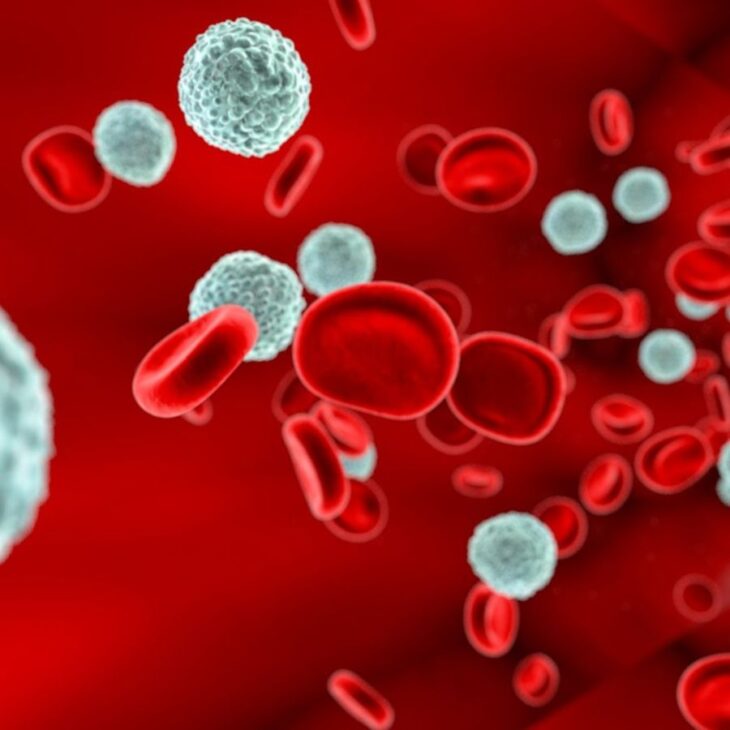
The diagnosis of a low or high WBCs count will determine whether or not you need to take measures to improve. Typical treatments and improvement techniques involve medications or lifestyle choices.
Medical reviews that conclude that your WBCs count is abnormal due to medical conditions will result in your doctor giving you treatment or prescription to adjust the level. For example, those who have cancer will usually have a high WBC, and to lower that, they will undergo chemotherapy, which will adjust the count.
If a person has an abnormal WBC without a medical cause, a few steps may be suggested by your doctor.
A high WBC can decrease by taking prescriptions such as hydroxyurea. Alternatively, a patient can undergo leukapheresis where a machine will filter the blood to decrease the white blood cells.
If a patient has a low WBC, stimulating medications can be taken, increasing the protectiveness of cells and increasing the WBC.
Sometimes a doctor may suggest avoiding certain foods and lifestyle choices that can cause an irregular range.
Although rare, an abnormal WBCs count can cause symptoms:
Symptoms of an abnormal White Blood Cell Count
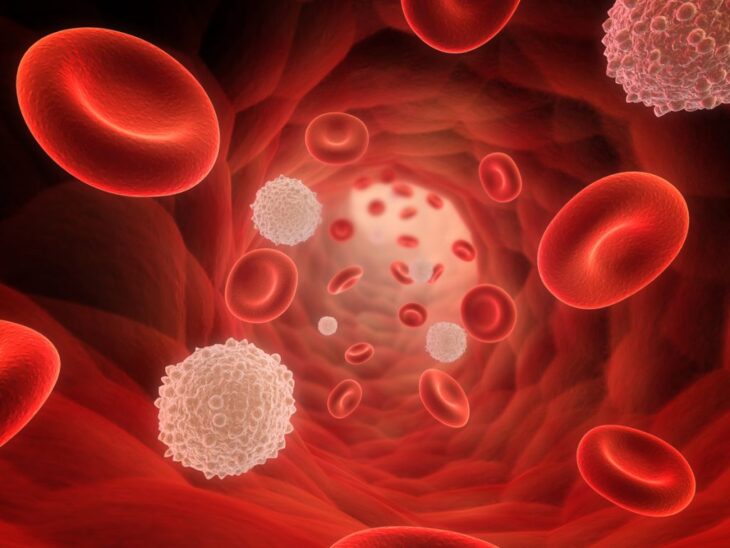
It is important to be aware that there can be symptoms of an abnormal WBCs count to get treatment as soon as possible. Noticing the signs may be difficult, but if you notice any of the following symptoms, it is advised to seek medical advice and testing:
- Fever
- Body aches
- Chills
- Headaches
It is normal to get regular appointments for complete blood counts, usually where a patient and doctor become aware of an abnormal blood cell count. Still, sometimes symptoms alert a person to seek help and examination.
If you have any more questions or concerns, here are some frequently asked questions that may answer your queries:
FAQ
Can you live without white blood cells?
No one can live without White Blood Cells. They are an essential part of your immune system and create the memory reaction to antigens entering your body.
If people didn’t have white blood cells, they would be vulnerable to any viral or bacterial infection, which could become fatal. The white blood cells’ existence is coherent to Darwin’s evolution path for menkind.
What food increases WBCs?
Zinc is the most important mineral for the production of healthy white blood cells. High protein foods, like lean meat and fish, are naturally high in zinc, which is good for the production of WBCS. Other foods for increasing WBCs include nuts, oysters, beans, and whole grains.
Does vitamin C increase white blood cells?
Vitamin C is commonly associated with viral infections and their ability to boost your immune system. The vitamin has shown to increase the production of WBCs and stimulates the function of them, which helps the body fight off and inhibit infection.
What is the first sign of leukemia?
There is not one individual symptom to signal the start of leukemia. A few factors contribute as symptoms of the beginning of leukemia, such as weight loss, fatigue, headaches, frequent infections, and fever. Frequent infections and fevers are a sign of a low white blood cell count. The most important white blood cell type for fighting off infection are neutrophils, and lack of them is known as neutropenia. When this occurs, it can cause regular infections, which is a common symptom of leukemia.
What kills white blood cells?
Cancer treatments and radiation can kill white blood cells. This can encourage infection due to the killing of cells leading to a low WBCs count. Other causes of white blood cells being destroyed are from severe viral infections that disrupt the bone marrow’s repairing.
Is a low white blood cell count a sign of cancer?
A person with cancer may experience a lower WBCs count, which usually occurs due to cancer treatment such as chemotherapy. However, low WBC can be a sign of other conditions, diseases, or infections. It is best to assess your WBC with a doctor and determine why your count is low and what caused it. A low WBC does not signify cancer.
Does stress cause low white blood cell count?
Studies prove that stress does cause lower lymphocytes (WBCS). A decrease in white blood cells can cause you to develop infections, disorders, and diseases easier. Minimizing stress can help slow down the decrease in WBCs.
What is the most common reason for a low white blood cell count?
The most common cause of low WBC is due to viral infections. These cause the bone marrow to weaken and therefore slow down the production of white blood cells. Although autoimmune diseases, cancers, and infections can cause a lower WBC, viral infections are much more common.
With that information in mind, let’s tell you our final thoughts.
Conclusion
White blood cells are an essential part of the immune system. They can not only inhibit infections but also fight off bacteria and destroy pathogens. They can act as an indicator of developing medical conditions.
Although it is not necessarily easy to recognize when the level becomes abnormal, they are easy to diagnose and maintain with the help of a doctor due to a lack of symptoms.
While many medical conditions can cause irregular WBC, many causes can be down to the individual. To maintain a normal WBCs count, easy steps to stick to are a healthy diet, and lifestyle choices. Smoking, stress, and over-exercising can cause abnormal white blood cells, so avoiding lousy lifestyle habits can help.
To find out more about How To Boost Your Immune System, you can read our article here. If you have any questions or comments, please leave them with us.

Maja is a talented writer and content editor at TheFrisky, with a diverse range of interests spanning from the arts to gardening and interior design. A graduate of the Faculty of Arts, Maja brings a unique perspective and a passion for creativity to her work.