
Singapore often ranks among the most expensive cities in the world, but it’s also one of the most organized, efficient, and opportunity-rich places to live.
For anyone considering a move here, the key question is: what does daily life really cost?
To answer this, we’ll break down housing, food, transport, healthcare, and lifestyle expenses so you know exactly what to expect before making the leap.
Table: Approximate Monthly Costs in Singapore
| Expense Category | Average Cost (Single) | Average Cost (Family of Four) |
| Housing (rental) | SGD 2,800 – 4,500 | SGD 4,500 – 8,000 |
| Food & groceries | SGD 800 – 1,000 | SGD 1,200 – 1,600 |
| Public transport | SGD 120 – 150 | SGD 300 – 400 |
| Car ownership | SGD 1,500+ (loan, COE, insurance, fuel) | SGD 2,000+ |
| Utilities | SGD 100 – 150 | SGD 150 – 250 |
| Internet & mobile | SGD 50 – 80 | SGD 120 – 180 |
| Healthcare & insurance | SGD 250 – 400 | SGD 800 – 1,500 |
| Education | – | SGD 1,800 – 3,500 |
| Entertainment & lifestyle | SGD 300 – 600 | SGD 500 – 1,000 |
Housing Costs: The Biggest Factor
If you ask anyone living in Singapore what drains their wallet the most, the answer will almost always be housing. Rental prices vary drastically depending on whether you choose public Housing Development Board (HDB) flats or private condominiums.
For example, a modest three-bedroom HDB flat can cost between SGD 2,800 to SGD 4,000 per month, depending on location. Private condominiums, on the other hand, often start around SGD 4,500 and can easily stretch beyond SGD 8,000 if you’re in prime areas like Orchard or Marina Bay.
Some expats prefer upscale condominiums such as Penrith, where facilities like pools, gyms, and security services are standard. While these developments demand higher rent, they offer the lifestyle and convenience many relocating families prioritize.
Tip: If you want more space for less money, neighborhoods slightly outside the central district – such as Woodlands or Pasir Ris – can be friendlier on the wallet.
Food and Groceries: A City of Contrasts
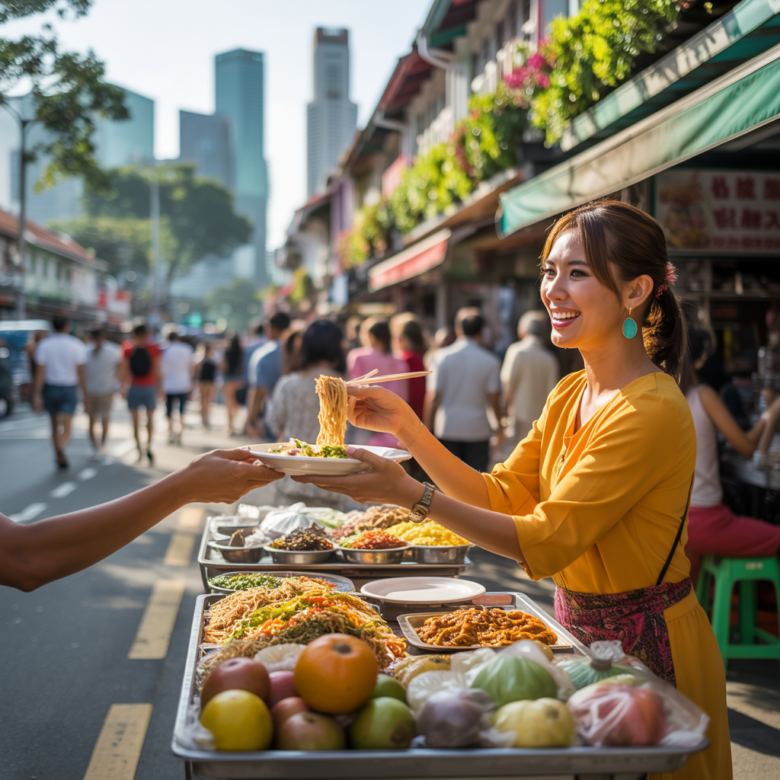
Eating in Singapore is a tale of two extremes. On one side, hawker centers serve up hearty, authentic meals for SGD 4–6, making it possible to eat out daily without breaking the bank. On the other hand, fine-dining restaurants or trendy cafés can quickly set you back SGD 50–100 per person.
Groceries also reflect this divide. Imported goods, such as European cheeses or premium meats, are expensive, while local produce and fresh seafood are much more affordable. A family of four can expect to spend around SGD 600–800 monthly on groceries if they mix local and imported items.
If you plan to balance budget and lifestyle, many expats adopt a hybrid approach: weekday hawker meals combined with occasional splurges on upscale restaurants.
Transportation: Public Transit vs. Owning a Car
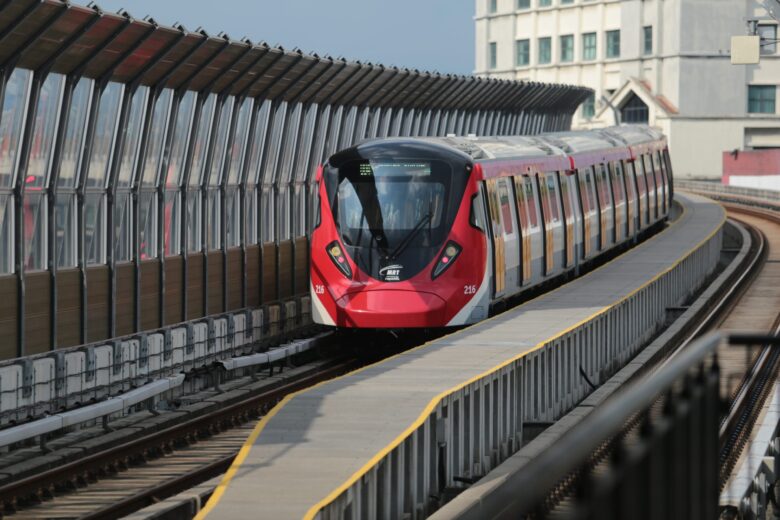
Singapore’s Mass Rapid Transit (MRT) system is one of the cleanest and most reliable in the world. A typical MRT or bus ride costs around SGD 1.50–2.50, which means commuting can stay well under SGD 150 monthly. For most residents, this is all they need.
Car ownership, however, tells a very different story. Beyond the high price of vehicles themselves, Singapore requires buyers to purchase a Certificate of Entitlement (COE), which can cost as much as SGD 90,000 or more – just for the right to own a car. Add road taxes, insurance, and parking, and it’s clear why many people skip cars altogether.
Healthcare and Insurance: What Expats Should Know
Singapore’s healthcare system is world-class, with modern hospitals, advanced medical technologies, and skilled professionals. Local citizens enjoy subsidies through government schemes, but expats generally need private insurance.
Basic consultations at clinics cost between SGD 50–80, while specialist visits can range from SGD 150–300. Hospitalization, if uninsured, can quickly climb into the thousands. That’s why most relocating professionals arrange for comprehensive international health insurance before moving.
Education: A Major Budget Item for Families
For families with children, schooling costs can significantly raise the monthly budget. Public schools are technically open to foreigners but come with limited spaces. International schools, meanwhile, range from SGD 20,000–40,000 annually per child.
This is why many families choose housing in areas near reputable schools. Developments like Skye at Holland appeal to expat parents because of their proximity to well-established educational institutions, making school commutes less stressful.
Utilities and Internet: Not Extreme, But Noticeable
Utilities – electricity, water, gas – usually add up to around SGD 150–250 per month for a family-sized apartment. Air conditioning, which you’ll almost certainly use given Singapore’s tropical climate, drives much of this bill.
Internet and mobile plans are competitively priced compared to Western cities. A solid fiber broadband package comes in at around SGD 40–60 monthly, while mobile phone plans average about SGD 20–40.
Entertainment and Lifestyle Expenses
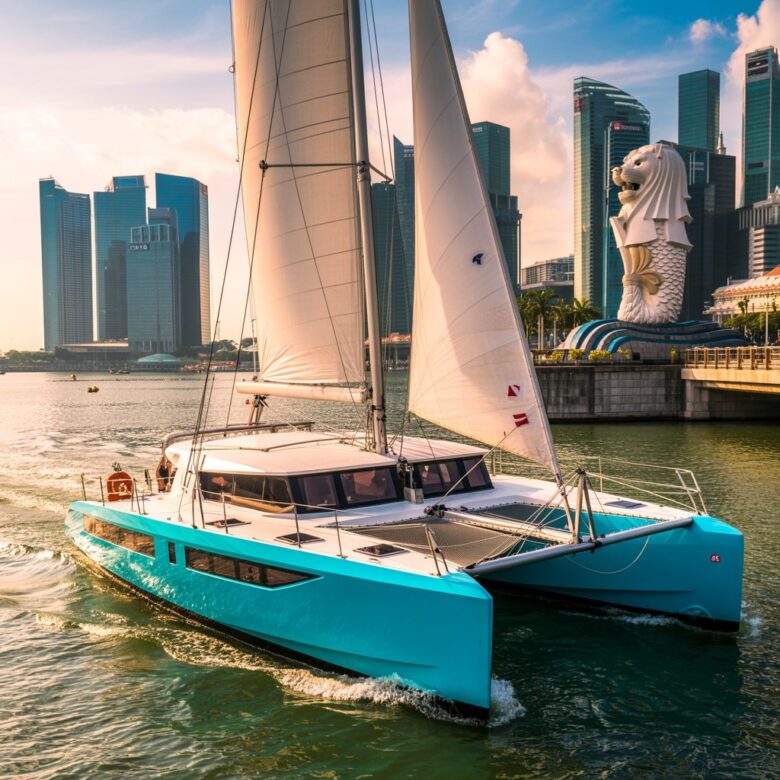
Living in Singapore means having endless options for recreation. Hawker centers, parks, and public beaches provide low-cost entertainment. But if you’re into nightlife, concerts, or luxury gyms, expect to pay much more.
- Movie tickets: around SGD 13–15.
- Gym memberships: SGD 120–200 monthly at premium clubs.
- Drinks at bars: SGD 12–20 per cocktail.
Shopping for branded items is also expensive due to import taxes, though many residents time purchases with regional trips to nearby countries like Malaysia or Thailand.
Comparing Budgets: Singles vs. Families
To give a clearer picture, here’s a general monthly breakdown:
| Expense Category | Single Professional | Family of Four |
| Housing (rental) | SGD 2,800–4,500 | SGD 4,500–8,000 |
| Food & groceries | SGD 800–1,000 | SGD 1,200–1,600 |
| Transport | SGD 120–150 | SGD 300–400 |
| Utilities | SGD 100–150 | SGD 150–250 |
| Insurance | SGD 250–400 | SGD 800–1,500 |
| Education | – | SGD 1,800–3,500 |
| Entertainment | SGD 300–600 | SGD 500–1,000 |
Balancing Costs with Quality of Life
Yes, Singapore is expensive, but cost must be weighed against quality of life. Public safety, cleanliness, world-class infrastructure, and career opportunities make the city-state highly attractive. Many expats find that even though they spend more here, the efficiency of daily life, combined with professional opportunities, offsets the higher costs.
For those who plan carefully – choosing the right neighborhoods, making smart dining choices, and balancing public transport with occasional ride-hailing – the lifestyle in Singapore can feel not just manageable but rewarding.
Final Thoughts
Relocating to Singapore means preparing for high housing costs, moderate everyday expenses, and plenty of opportunities to adjust your lifestyle depending on your budget. It’s a city of choices: from hawker stalls to Michelin-starred dining, MRT commutes to high-end cars, public parks to private clubs. The cost of living here reflects the spectrum of lifestyles available.
If you approach it with a clear plan and realistic expectations, Singapore is not just a place to work – it’s a place to thrive.