
The most important thing to understand before choosing between a freehold or leasehold condo in Singapore is this: freehold properties offer stronger theoretical land value preservation, but leasehold condos often deliver better rental yields, more modern facilities, superior layouts, and higher price growth in well-planned locations—especially near MRT stations or major transformation zones. Your long-term gain depends far more on location, demand, and infrastructure than on tenure alone. If you prioritise capital appreciation, a well-positioned leasehold condo can outperform a less strategic freehold unit. If you prioritise legacy ownership and long-term security, freehold may align better with your goals.
Understanding How Tenure Affects Value Over Time
Singapore has three broad tenure categories:
- Freehold (99-year equivalent but without expiry)
- 999-year leasehold (functionally similar to freehold)
- 99-year leasehold (the most common, especially for new launches)
In broad terms, freehold retains value better when all other variables are equal. But in practice, “all else equal” rarely happens. A well-located 99-year project with MRT access, upcoming commercial hubs, and curated amenities frequently outperforms a freehold project in an average or stagnant district.
Why tenure is only one part of value
The URA Master Plan, nearby business hubs, school catchment zones, and supply dynamics often outweigh tenure. Buyers respond to convenience and lifestyle more than abstract land concepts. Tenure matters mainly during extended holding periods or legacy planning.
Below is a simple high-level comparison:
| Tenure Type | Strengths | Limitations | Best For |
| Freehold | Value security, prestige, no expiry | Often pricier, slower rental yield | Legacy buyers, long-term holders |
| 99-year Leasehold | Lower entry price, strong demand, new facilities | Lease decay after ~20–25 years | Upgraders, investors, and younger families |
Why Location and Planning Influence Value More Than Tenure
Freehold value matters most in land-scarce or mature districts where redevelopment potential is high. But leasehold value tends to dominate in transformation zones where new MRT lines, malls, parks, and mixed-use hubs generate powerful appreciation.
Singapore’s urban planning is deliberate and predictable. A project positioned near new infrastructure almost always appreciates faster than a tenure-based choice in a static area.
Example of planning-driven growth
The growth of the Lentor precinct is a clear illustration. MRT connectivity, new amenities, and structured land release create strong long-term appeal—regardless of tenure. Homes like Lentor Gardens Residences benefit not because of tenure alone, but because the neighbourhood is curated to attract sustained buyer demand. Good planning makes both leasehold and freehold units appreciate; poor planning weakens both.
Freehold Condos: What You Are Really Paying For
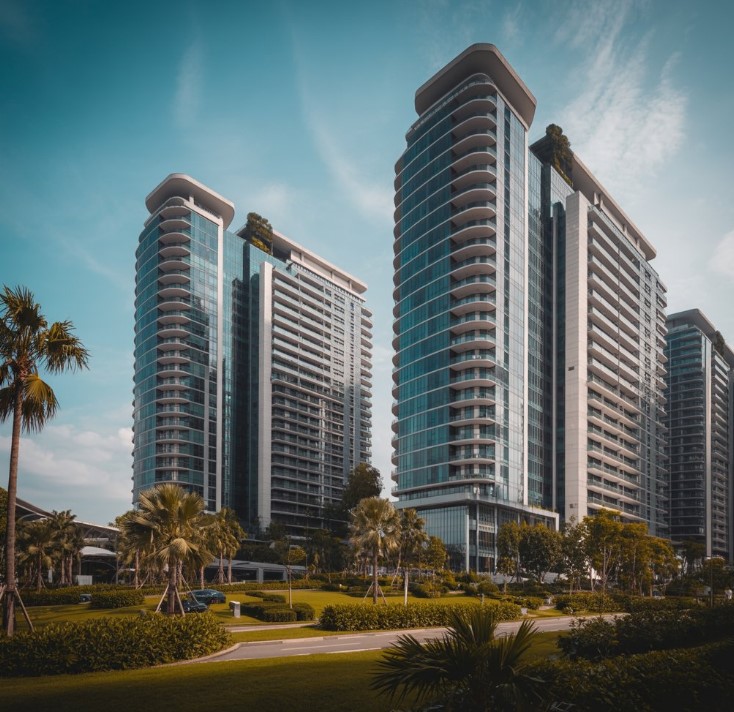
Freehold condos carry a psychological premium because the land is yours indefinitely. In land-scarce Singapore, that sense of permanence carries meaning—especially for older buyers or multi-generational planning.
Key advantages of freehold condos
- No lease decay
Prices have held more stable for 20–30 years, especially when redevelopment potential exists. - Better en bloc potential in mature estates
Developers prefer freehold during collective sales because it simplifies redevelopment. - Legacy ownership
Freehold remains attractive for families wanting to pass property down.
However, freehold condos also come with important realities:
- They cost significantly more at the time of purchase.
- Rental yields are often lower.
- Facilities may be older since many freehold estates were built decades ago.
- In transformation zones, leasehold projects often outperform them.
Here is a closer breakdown:
| Factor | Freehold Advantage | Practical Reality |
| En Bloc Potential | Stronger | Only if the area is large + the location is good |
| Long Term Stability | Strong | Only matters after 20–30 years |
| Price Premium | High | Reduces initial affordability and yield |
Leasehold Condos: Modern, Convenient, High-Demand
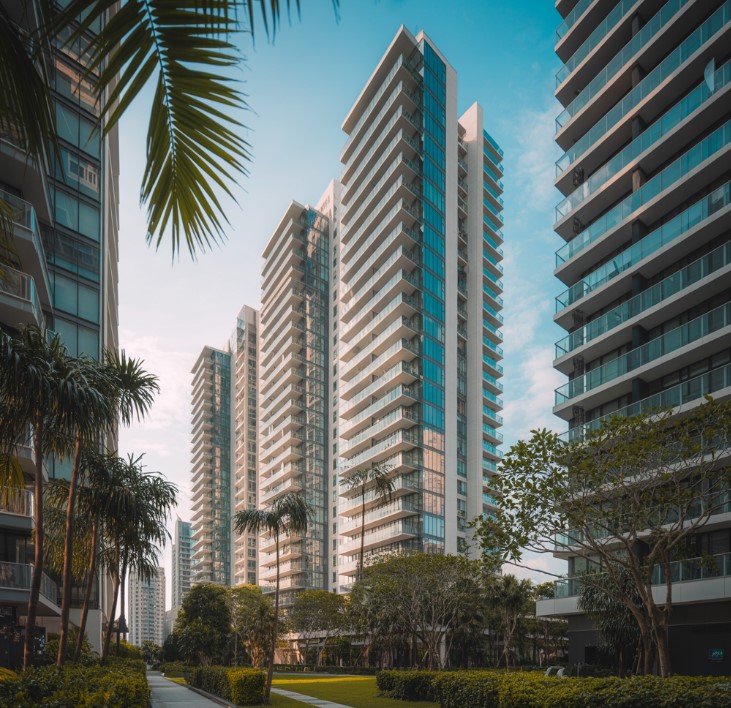
The majority of new condos in Singapore are 99-year leasehold because the government retains land control. These projects leverage modern designs, integrated amenities, strong MRT access, and younger demographics—making them powerful performers during the first 20–25 years.
Why younger buyers prefer leasehold units
- Lower entry price
Let’s them enter the private market sooner. - Higher early-stage appreciation
New facilities + strong launch demand + lifestyle amenities. - Better rental yields
Tenants prioritise convenience, not tenure.
Modern leasehold condos are often part of integrated planning zones, offering cafes, retail spaces, landscaped decks, gyms, co-working lounges, and direct MRT access—features that freehold condos built 20–40 years ago usually lack.
This creates strong resale liquidity.
How Lease Decay Really Works (And When It Matters)
Lease decay is a real phenomenon, but it is often misunderstood. Property prices do not suddenly collapse when a condo hits 60–70 years remaining. Instead, the decline is gradual and influenced by factors such as:
- size of land parcel
- redevelopment likelihood
- infrastructure improvements nearby
- buyer demand for older layouts
The truth
Lease decay affects rental demand far later than people assume
Most investors exit long before the issue becomes serious—usually within 8 to 15 years.
This is why affordability and resale demand often outweigh tenure for buyers intending to upgrade later.
Price Gap: The Key Indicator of Long-Term Value
You should always compare the freehold vs leasehold price gap in the same district. If the gap is reasonable, freehold can be worthwhile. If the gap is too wide, a leasehold yields better returns.
Typical price gap patterns:
| Price Gap Scenario | Outcome |
| 10–15% difference | Freehold may offer better long-term value |
| 20–30% difference | Leasehold likely offers better appreciation + rental yield |
| 35% or more | Leasehold is nearly always the better financial choice |
The gap varies by district. In the Core Central Region (CCR), freehold dominates. In the Outside Central Region (OCR), leasehold launches in well-connected new towns often deliver superior ROI due to early-stage transformation.
Facilities, Maintenance, and Age: Hidden Factors Buyers Ignore
Many freehold condos in Singapore were built in the 1980s–2000s. They may offer larger layouts, but they also come with:
- aging facades
- older electrical/water systems
- lower energy efficiency
- higher maintenance fees
Leasehold condos, especially new launches, offer:
- modern designs
- energy-efficient features
- smart-home integration
- upgraded landscaping
- more attractive communal facilities
This affects both owner satisfaction and tenant retention, which eventually shape resale demand.
Case Study: Prime Freehold vs Prime Leasehold in the CBD
The Downtown Core shows how leasehold and freehold behave differently in premium urban settings.
For example, Newport Residences, a luxury freehold project, offers rarity and long-term value due to the extreme scarcity of freehold land in the CBD. Because the CBD’s supply pool is limited and global rental demand is strong, freehold projects here can outperform typical patterns.
But surrounding leasehold mixed-use developments also attract strong tenants and investors because of walkability, office proximity, and lifestyle convenience. In the CBD, both tenures perform well—what matters most is layout efficiency, quality, and scarcity.
Rental Yields: Leasehold Usually Wins
Tenants do not care about tenure. They care about:
- proximity to MRT
- distance to offices
- facilities
- size and usability of the unit
- convenience of daily life
This is why leasehold properties—especially new ones—almost always outperform in rental yield.
A simple benchmark:
| Typology | Typical Yield | Buyer Profile |
| New Leasehold | 3–4% | Investors, young families |
| Older Freehold | 2–2.8% | Legacy buyers, long-term holders |
Yield isn’t everything, but it directly affects cash flow for owners planning to rent before selling.
Conclusion: Should You Buy Freehold or Leasehold?
The best investors choose based on district fundamentals, not emotional preferences. Tenure matters, yes—but location, planning, transformation, and demand matter more.
When you align tenure with your long-term strategy, your condo becomes a resilient asset capable of appreciating steadily across market cycles in Singapore’s ever-evolving property landscape.