

The United Kingdom’s construction sector relies heavily on timber merchants for the supply of essential building materials. As the demand for sustainable and quality wood increases, merchants must navigate a complex landscape of environmental and industry standards.
In this article, we will delve into the role of timber merchants in promoting sustainable practices, their contribution to the construction industry’s supply chain, factors to consider when choosing a merchant, and the importance of certification and quality standards in timber merchandising.
H&H Forestry Ltd.Timber merchants play a pivotal role in ensuring that wood used in construction is sourced responsibly, contributing to the sector’s sustainable growth.
Below, we will explore the intricacies of their role within the industry, spotlighting how they can champion sustainability while meeting the needs of builders and developers.
Exploring the Role of Timber Merchants in Sustainable Forestry Practices
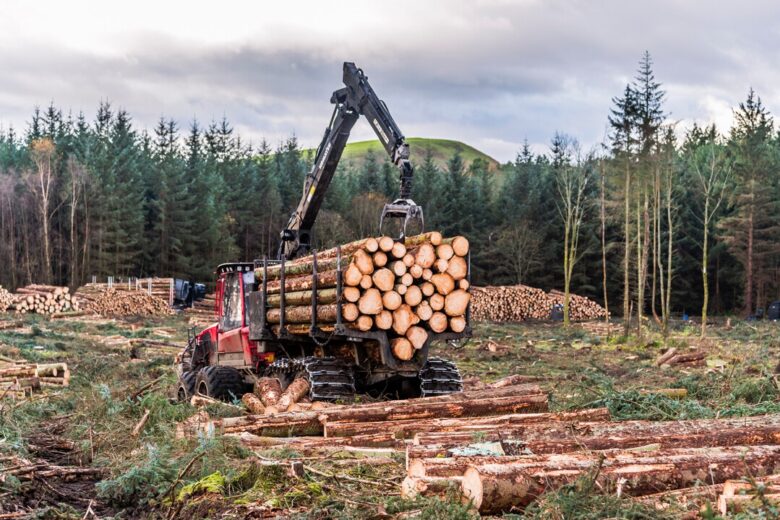
Sustainable forestry is a cornerstone principle that guides timber merchants in sourcing and distributing their products. These professionals must balance the need for quality materials with environmental stewardship to maintain a healthy ecosystem and industry reputation.
Merchants like H&H Forestry are increasingly adopting practices like selective felling and replanting, which ensure their operations contribute positively to the environment.
This approach not only minimizes the impact on forests but also ensures a steady supply of oak and other timber for future generations.
Builders looking to uphold green standards on their projects should seek timber merchants that provide certifications like FSC or PEFC.
Such credentials are indicative of adherence to stringent sustainable forestry practices, offering both a transparent supply chain and peace of mind to developers and end-users.
How Timber Merchants Contribute to the Construction Industry’s Supply Chain
Timber merchants are integral to the construction supply chain, ensuring a smooth flow of materials from forests to building sites. They act as the crucial link between sustainable forestry operations and the demands of the construction sector.
Merchants manage vast inventories of timber products, including softwoods and hardwoods like oak, to meet the variable needs of the industry.
Providing a variety of timber spreads the pressure across different ecosystems, which helps to avoid depletion of specific tree species.
Their role in the logistics of transporting timber efficiently aids in reducing delays in the construction timeline.
For construction managers, engaging with reputable timber merchants means access to a steady stream of materials and potentially beneficial partnerships.
It’s advisable to evaluate a merchant’s capacity to fulfil bulk orders, their delivery efficiency, and the breadth of their product offerings when integrating them into the project’s supply chain.
Essential Considerations When Selecting a Timber Merchant for Your Project
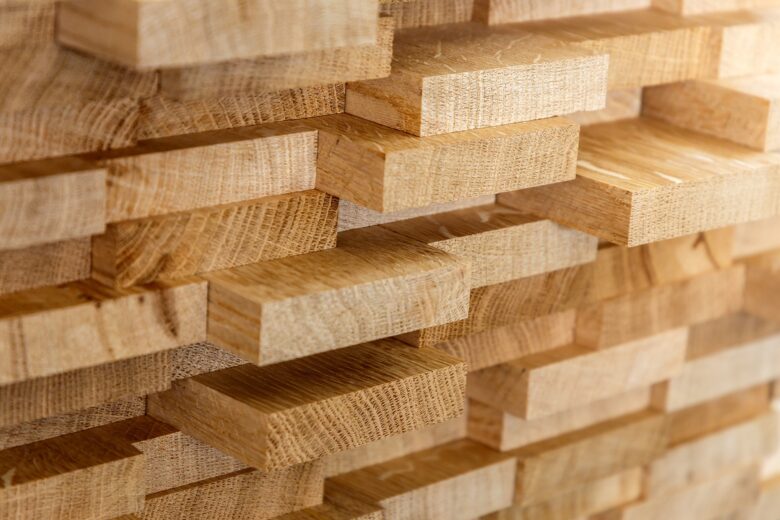
Selecting the right timber merchant is critical for the success of any construction project. The quality of timber, reliability of supply, and cost all hinge on this choice.
When choosing a timber merchant, it is important to assess the range and quality of their products, such as the availability of specialized timbers like oak, which is known for its durability and aesthetic appeal.
Additionally, the merchant’s sourcing methods and adherence to ethical practices should align with the project’s sustainability goals.
Builders should inquire about a merchant’s supply chain robustness, assessing their ability to cope with market fluctuations and their practices regarding long-term sustainability.
A thorough understanding of the merchant’s policies, including return procedures and customer service reputation, will also inform a well-rounded decision.
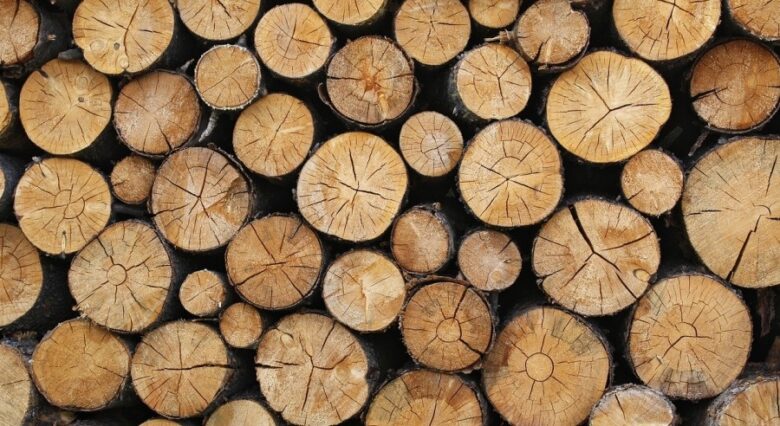
Certifications and quality standards play a vital role in the timber industry, offering assurances about the sustainability and quality of wood products. Timber merchants must adhere to these standards to meet industry and consumer expectations.
Institutes such as the Timber Trade Federation (TTF) set benchmarks that merchants are expected to meet.
Certifications, such as the Chain of Custody from FSC or PEFC, are indicators that the timber has been sourced following specific environmental and social standards. Understanding these certifications can help builders and consumers make informed choices about the products they use.
Merchants should be transparent about their compliance with these standards, providing necessary documentation and information. Builders must evaluate and verify these certifications, potentially through third-party audits, to ensure that the products comply with the expected quality and ethical benchmarks.
Ultimately, timber merchants are a vital link in promoting sustainable construction and environmental responsibility within the UK’s building industry.
Their dedication to proper forestry practices, reliability in the supply chain, attention to quality and certification standards are what enable builders to produce durable, sustainable, and aesthetically pleasing structures.
As the demands of the market and the needs of the planet evolve, the relationship between timber merchants and builders will continue to shape the landscape of UK construction.