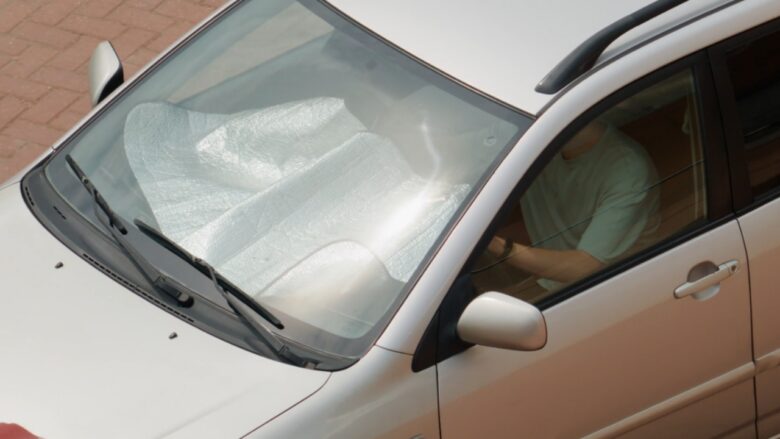

Heat waves can put serious stress on your car, especially when it is older, poorly maintained, parked in direct sunlight, or already dealing with worn parts.
High temperatures do not usually make modern car parts literally melt, since vehicles are built and tested for major temperature changes.
Still, extreme heat can create problems under the bonnet, inside the cabin, and across parts exposed to hot pavement and direct sun.
Most at-risk areas include the battery, tires, cooling system, fluids, windshield, rubber parts, paint, interior surfaces, electronics, and A/C system.
Many heat-related problems start small, such as low coolant, weak battery performance, worn tire tread, or a tiny windshield chip.
During a heat wave, those small issues can become breakdowns, safety risks, or expensive repairs.
Battery
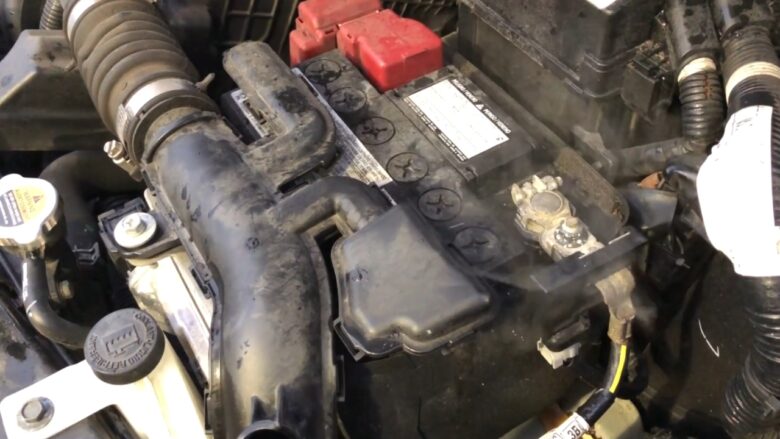
Car batteries often struggle in extreme heat. Cold weather gets much of the attention, but high temperatures can be just as damaging.
Heat can evaporate battery fluid, disrupt battery chemistry, reduce charging ability, and shorten battery life.
Sudden battery failure is also more common during hot summer conditions, and AAA responds to around 2 million battery-related calls each summer.
A weak battery may not give much warning before it fails.
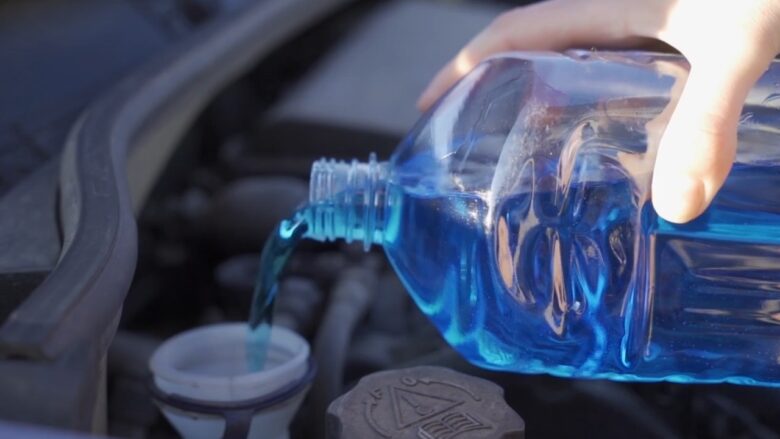
Good prevention starts with regular inspection. Battery terminals should be clean and tight, with no heavy corrosion. Batteries older than two years should be tested yearly, especially before peak summer heat. A simple battery test can show weak performance before it leaves the vehicle stranded in a parking lot, driveway, or roadside heat. Windshields can become more vulnerable in extreme heat, especially if the glass already has a chip or crack. Heat causes glass to expand, and that expansion can make existing damage spread. A tiny chip may turn into a long crack after long sun exposure, sudden cooling, or a sharp temperature change. In some cases, damaged glass can shatter. Wiper blades and other rubber parts also suffer in high heat. Rubber can dry out, crack, harden, or deform. Wiper blades that sit against hot glass all day may lose shape and stop clearing water properly. Door seals, weatherstripping, hoses, belts, and trim pieces can also wear faster under constant sun and heat. Paint and exterior surfaces can fade or dull when a car is left stationary in direct sunlight for long periods. Parking in the shade and using wax protection can help protect paintwork. Reflected heat can also cause rare but real damage. For cars parked outside for long periods, choosing one of the best car covers can also help reduce direct UV exposure, protect paint, and limit heat-related wear on exterior surfaces. Seal Skin’s car cover page specifically supports this context because it mentions UV protection, exterior and interior protection, breathable fabric, dust protection, and outdoor use. A 2013 case in London involved reflected heat off the Walkie-Talkie skyscraper melting parts of a Jaguar, causing nearly £1,000 in repairs. Good prevention includes quick action on small damage. Windshield chips should be repaired early, worn wiper blades should be replaced, rubber parts should be inspected, and paint should be protected with wax. Shade, covered parking, or a car cover can also reduce long-term sun exposure. As temperatures rise, air inside the tire expands too, which can increase tire pressure and raise the chance of a blowout. Hot pavement adds even more stress. Summer pavement temperatures can reach upward of 150°F, which can affect tire pressure, weaken rubber, reduce grip, and make worn tires more dangerous. Weekly tire pressure checks are a smart habit during hot weather because PSI can spike in high temperatures. Pressure should be checked when tires are cool, since readings taken after driving may be higher due to heat and friction. Proper pressure helps the tire keep better contact with the road and reduces stress on the sidewall. Inspection matters just as much as pressure. Drivers should look closely for cracks, bulges, uneven tread wear, low tread depth, and visible damage. A tire that already has weak spots is more likely to fail during long drives, highway speeds, or heavy summer traffic. Keeping tires properly inflated and replacing damaged tires early can reduce the risk of roadside emergencies. Cooling systems work harder during extreme heat because engines already produce high temperatures during normal operation. Radiators, coolant, hoses, belts, fans, and related parts all help control engine heat. During a heat wave, that system may operate at maximum capacity just to prevent overheating. Low coolant, old coolant, leaks, cracked hoses, worn belts, or a faulty radiator cap can quickly create serious problems. Overheating is one of the most common causes of summer breakdowns. Once the engine overheats, damage can spread fast and affect expensive parts such as the head gasket, radiator, water pump, or engine block. Warning signs should never be ignored. Safety matters during an overheating event. Drivers should pull over when safe, turn off the engine, and allow the vehicle to cool. Hood opening should be done carefully, and the coolant cap should never be removed while the system is hot. Pressurized coolant can cause severe burns. Before summer heat peaks, coolant levels, hoses, belts, and radiator condition should be checked. Vehicle fluids are also affected by heat. Engine oil, brake fluid, transmission fluid, power steering fluid, and coolant all have important jobs, and high temperatures can speed up fluid breakdown. Once fluids degrade, they may lose their ability to lubricate, cool, clean, protect, or transfer pressure inside the system. Engine oil can thin out or lose effectiveness faster in extreme heat, which increases mechanical wear. Transmission fluid can also degrade faster, especially in stop-and-go traffic, towing, or long highway drives. Brake fluid can absorb moisture over time, and high heat can reduce braking performance if the fluid condition is poor. Low or degraded fluids can cause several problems, including rough shifting, overheating, reduced braking response, higher engine wear, and warning lights. Regular checks are simple but important. Fluid levels should be inspected according to the owner’s manual, and fluid changes should follow the manufacturer’s service schedule. During a heat wave, small leaks or low levels can create much bigger problems than they would during milder weather. Cabin temperatures can rise quickly during a heat wave. A parked car can become dangerous fast, which is why children and pets should never be left inside a hot vehicle, even briefly. Open windows do not make a parked car safe enough for a child or pet during extreme heat. Heat can also damage interior surfaces. Dashboards, seats, screens, buttons, trim, and electronics can all suffer due to repeated sun exposure. Plastic may fade, crack, or warp. Leather and vinyl can dry out. Touchscreens and electronic components may act up when cabin temperatures climb too high. A/C systems also work harder during heat waves. High demand can expose weak parts, low refrigerant, failing fans, clogged cabin filters, or battery issues. Poor cooling, odd noises, weak airflow, or warm air out of vents can point to a system that needs attention. A pre-summer inspection should include the battery, cooling system, tires, and air conditioning. Heat often reveals weak parts that were already close to failure. A heat wave can damage your car, especially when key parts are worn, old, low on fluid, or poorly maintained. Biggest risks include battery failure, tire blowouts, engine overheating, degraded fluids, cracked glass, damaged rubber parts, faded paint, interior wear, and an overworked A/C system. Simple checks can prevent many summer breakdowns. Battery testing, weekly tire pressure checks, coolant inspection, fluid maintenance, windshield repair, rubber inspection, paint protection, and shade parking all help protect the vehicle during extreme heat.Windshield, Rubber, and Exterior Parts

Tires
Tires face extra pressure during a heat wave because hot air expands.Cooling System
Fluids
Interior and A/C System
Summary