

A necklace with someone’s initials costs relatively little to personalize, yet the finished piece can become a meaningful birthday, anniversary, or graduation gift. For anyone interested in a home-based business, personalized jewelry offers an opportunity to sell products with a clear personal connection.
Starting a personalized jewelry business in 2027 doesn’t require a large workshop or an extensive collection. A small product range, reliable materials, suitable equipment, and accurate prices provide a sensible foundation. The main challenge is producing pieces customers love at a cost that leaves enough profit to support the business.
Choose a Jewelry Niche Before Buying Supplies
One of the easiest mistakes is attempting to sell every type of personalized jewelry at once.
Initial necklaces, engraved bracelets, birthstone charms, and custom pet memorial pendants serve different audiences. Each product also has its own material costs, production requirements, and customer expectations.
Start with one clearly defined collection.
For example, a small business could focus on stainless steel necklaces with engraved initials and short messages. A second collection might feature matching bracelets for couples.
Recent consumer trends support the appeal of personal products. Etsy’s 2026 holiday trend report recorded a substantial increase in searches for personalized gifts associated with friendships and personal relationships.
For a new business, the useful lesson is to create jewelry for recognizable occasions rather than simply offer hundreds of unrelated designs.
Three well-developed products can provide a stronger starting point than 30 pieces with uncertain demand.
Select Materials That Customers Can Wear Comfortably
Material quality has a direct influence on customer satisfaction.
Stainless steel, sterling silver, gold-filled components, and selected coated metals are common choices for personalized jewelry. However, their durability, price, and maintenance requirements differ.
Material descriptions must be accurate. A gold-plated necklace should never be advertised as solid gold.
Buy sample components before placing a large order. Inspect clasps, chain connections, pendant edges, and the consistency of the finish.
A necklace may look beautiful in photographs but disappoint customers if its clasp breaks after a few weeks.
For additional customer-care advice, The Frisky’s article on jewelry care tips provides useful context on maintaining different pieces.
Decide How You Will Personalize Each Piece
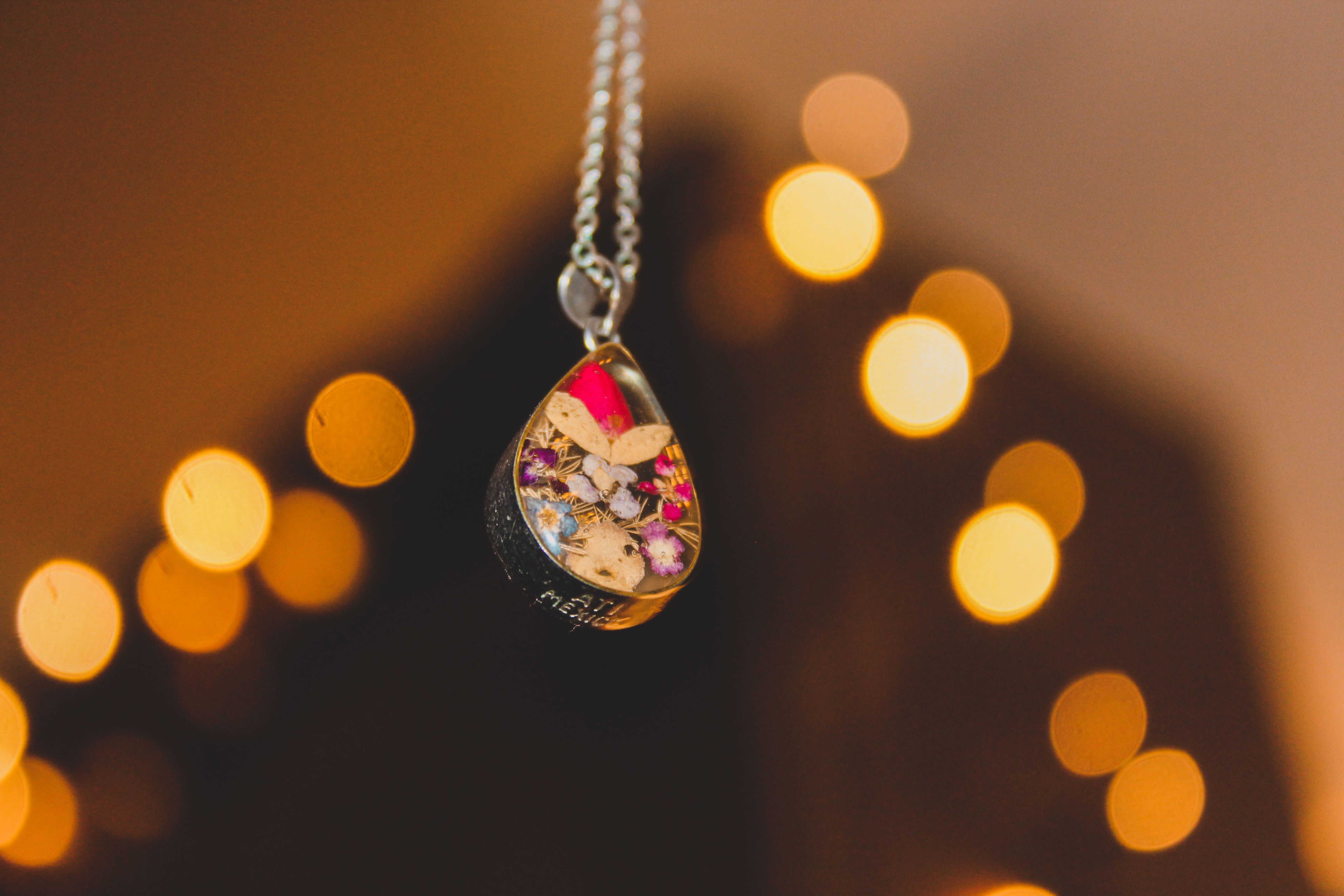
There are several ways to add names, initials, dates, and symbols to jewelry.
Hand stamping can work for small metal tags, although consistent letter spacing takes practice. Mechanical engraving provides another option for suitable materials.
Laser technology offers precise lettering and repeatable designs.
A suitable laser engraving machine can help produce personalized details on compatible blanks. However, the laser type matters. Equipment intended mainly for wood or acrylic may not be appropriate for direct engraving on bare jewelry metals.
Some systems can mark selected coated metals, while direct metal engraving generally requires equipment with a suitable laser source.
Before buying a machine, test the exact material and finish you intend to sell. Also account for extraction, eye protection, fire precautions, and the manufacturer’s operating requirements.
A home business should never use laser equipment in an unsuitable room without the necessary safety controls.
Alternatively, you can outsource engraving during the first few months. That allows you to test customer demand before committing to expensive equipment.
Calculate Your Real Profit per Necklace
A personalized necklace that sells for $35 doesn’t generate $35 in profit.
Every order carries material, packaging, payment, and labor costs. Marketplace fees, refunds, and promotional discounts can further reduce earnings.
Consider a hypothetical necklace with the following expenses:
At a selling price of $35, the contribution toward fixed overhead and profit is $16 per necklace.
That represents approximately 45.7% of the selling price.
If monthly fixed expenses total $320, you need to sell 20 necklaces to cover those expenses under the assumptions above.
$320 ÷ $16 = 20 necklaces
The calculation assumes no additional shipping subsidy, advertising expense, taxes, or unexpected losses. Real results will depend on the business model.
The U.S. Small Business Administration offers a useful startup cost guide for entrepreneurs who need to estimate initial expenses and assess profitability.
Keep your material costs and labor allowance in the same spreadsheet. Otherwise, a popular product may generate sales without producing worthwhile income.
Make Custom Orders Easy for Customers
Personalized products require accurate customer information.
A single incorrect letter can turn a finished necklace into an unsellable item. Dates, initials, and unusual spellings deserve particular attention.
Every product page should include a clear personalization field, a character limit, available fonts, and a preview or example.
For initials, explain the exact order of the letters. For engraved dates, specify the accepted format.
I would also introduce an order-confirmation checkpoint for unusual requests. A customer who enters a long message on a very small pendant should receive confirmation of the final layout before production.
The Frisky has previously examined the appeal of personalized gifts, including engraved jewelry and other keepsakes.
For sellers, the opportunity comes with responsibility: the emotional value of a custom gift makes spelling mistakes particularly costly.
Create a Small Workspace With Separate Areas
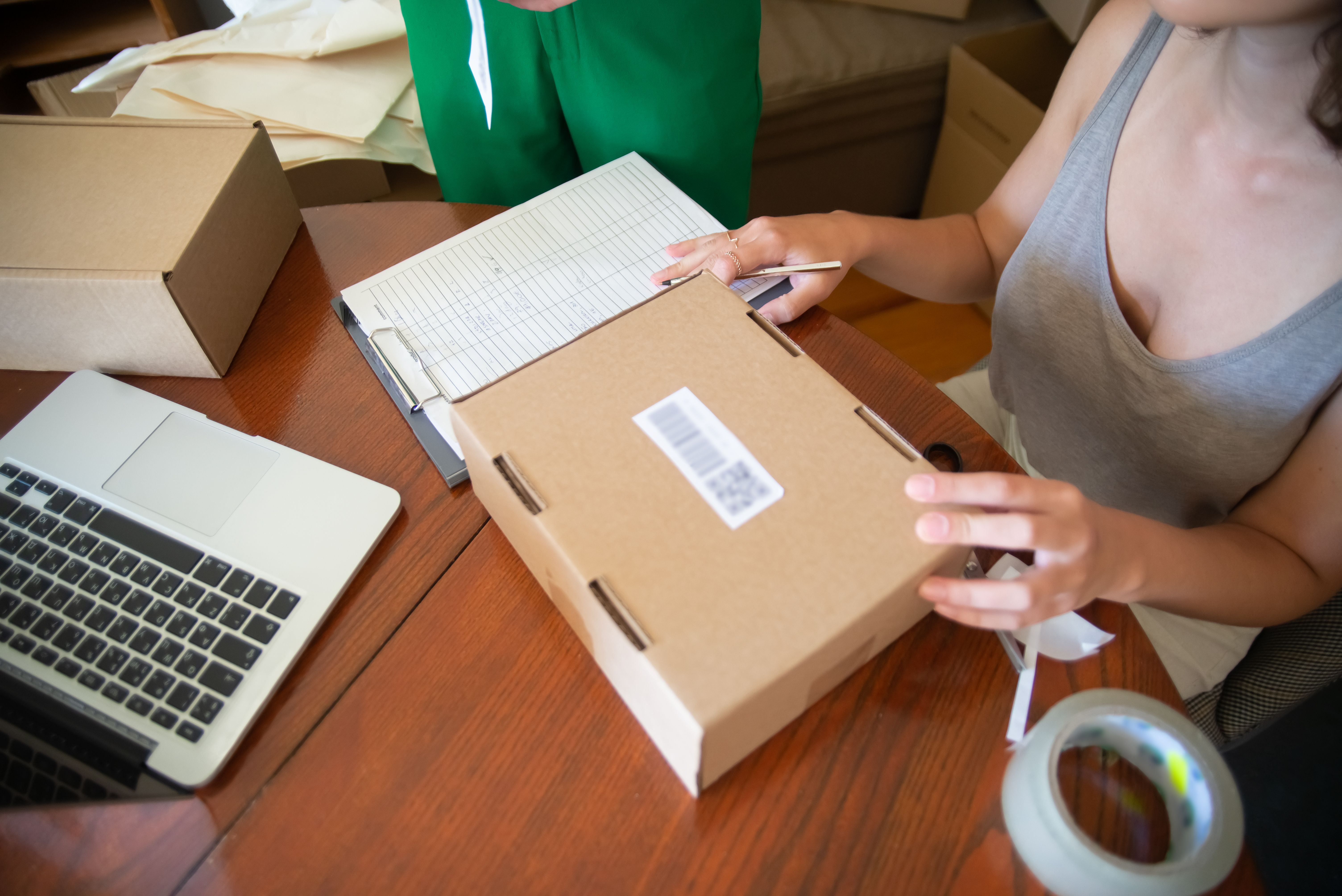
A home jewelry business can operate in a modest space, but production and packaging should remain organized.
Use separate surfaces for assembly, inspection, and order preparation. Keep finished jewelry away from polishing dust, adhesives, and other workshop materials.
Store chains and clasps in labeled containers. Small components can easily disappear or become mixed with similar products.
For every completed order, check three details before packaging:
- The personalization matches the confirmed order.
- The clasp and connections function correctly.
- The product has no visible damage or sharp edges.
Include basic care instructions appropriate to the material.
Simple quality controls reduce preventable returns and protect the reputation of a new brand.
Sell a Story Alongside the Product
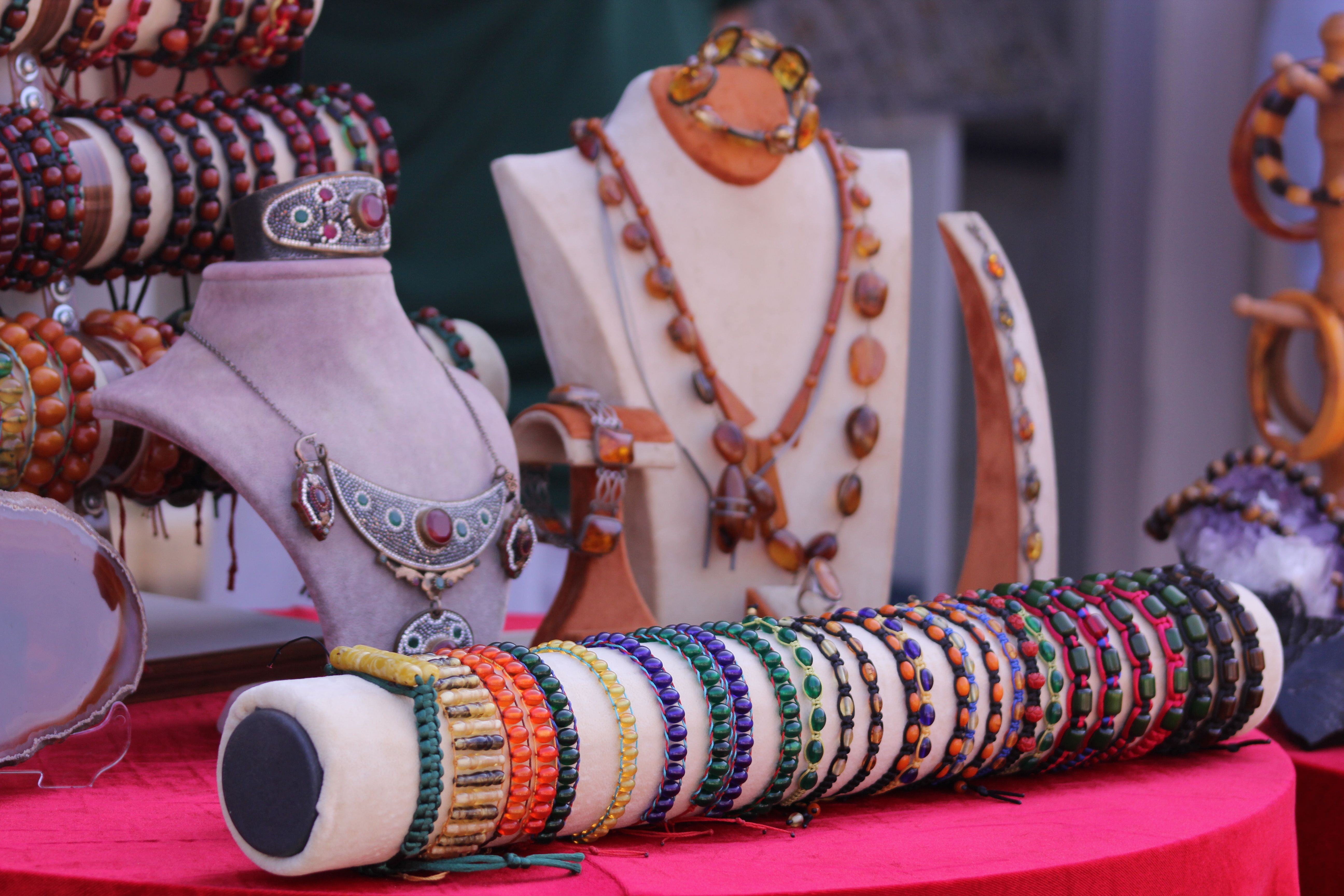
Jewelry photographs matter because buyers cannot examine the item before purchase. A product photography checklist can help sellers plan clear detail and scale shots.
Show the product on a neutral background, then add a photograph that demonstrates its actual scale. A necklace photographed alone can appear much larger than it is.
Include accurate measurements and close-up images of the engraving.
Short videos can show the finished pendant, clasp, and packaging. Avoid promotional filters that significantly distort metal colors.
For personalized jewelry, product descriptions should explain the options clearly. Buyers need to know how many characters fit, which metals are available, and how long production takes.
Consider organizing your website around occasions such as birthdays, anniversaries, graduations, and memorial gifts.
Such categories can make product selection easier without requiring a much larger collection.
Protect Your Business During Busy Gift Seasons
Custom jewelry often has an additional production step before shipment. That makes deadlines particularly important.
Set a realistic order cutoff before major holidays. Keep a small supply of your most popular blank components, but avoid purchasing excessive stock until sales patterns become clearer.
Maintain records of each confirmed design and production date.
A sensible return policy should distinguish mistakes made by the business, defective goods, and customer requests to change an approved design. Applicable consumer laws may override parts of your policy.
Check local registration, tax, consumer protection, and home-business requirements before accepting regular orders.
For a new business, reliable delivery can be a greater competitive advantage than a large catalog.
Build the First Collection Before Expanding
A successful first year doesn’t require dozens of product categories.
Start with a small collection, calculate the cost of each item, and track which designs attract repeat orders. Set aside money for replacement components, packaging, and occasional production errors.
After several months, review the products with the strongest contribution margins and the lowest return rates.
A necklace with a slightly lower selling price may deserve more attention if it is easier to customize and consistently earns a better margin.
As 2027 approaches, the opportunity for home-based jewelry brands remains closely tied to personal expression and meaningful gifts.
The businesses most likely to benefit will be those that combine thoughtful designs with accurate customization, dependable quality, and realistic prices.