
Table of Contents
Choosing an exterior finish for an existing home is rarely a simple decision. Cement render and acrylic render both protect walls and both can look excellent, but they behave differently over years of sun, rain, temperature swings and everyday wear. If you are living in the house while you decide, the right choice depends on the condition of your walls, how much maintenance you want to manage, and how the finish will age on your particular building.
What Each Finish Actually Is
Cement render is a mix of cement, sand and water applied to the exterior of a wall. It is a long-established choice for solid masonry such as brick, concrete block and stone. Once it cures, it is usually painted or coated to achieve the final colour and weather resistance.
Acrylic render is a polymer-modified system. It is typically supplied ready to mix or ready to use, and many products come pre-coloured. Because the binder is a polymer rather than purely cement, the finished layer is more flexible and can tolerate some minor movement in the wall.
- Cement render: rigid, traditional, mixed on site, usually painted after curing.
- Acrylic render: flexible, polymer-based, often pre-coloured, suited to a wider range of substrates.
- Common ground: both can be smooth or textured and both need correct preparation to perform well.
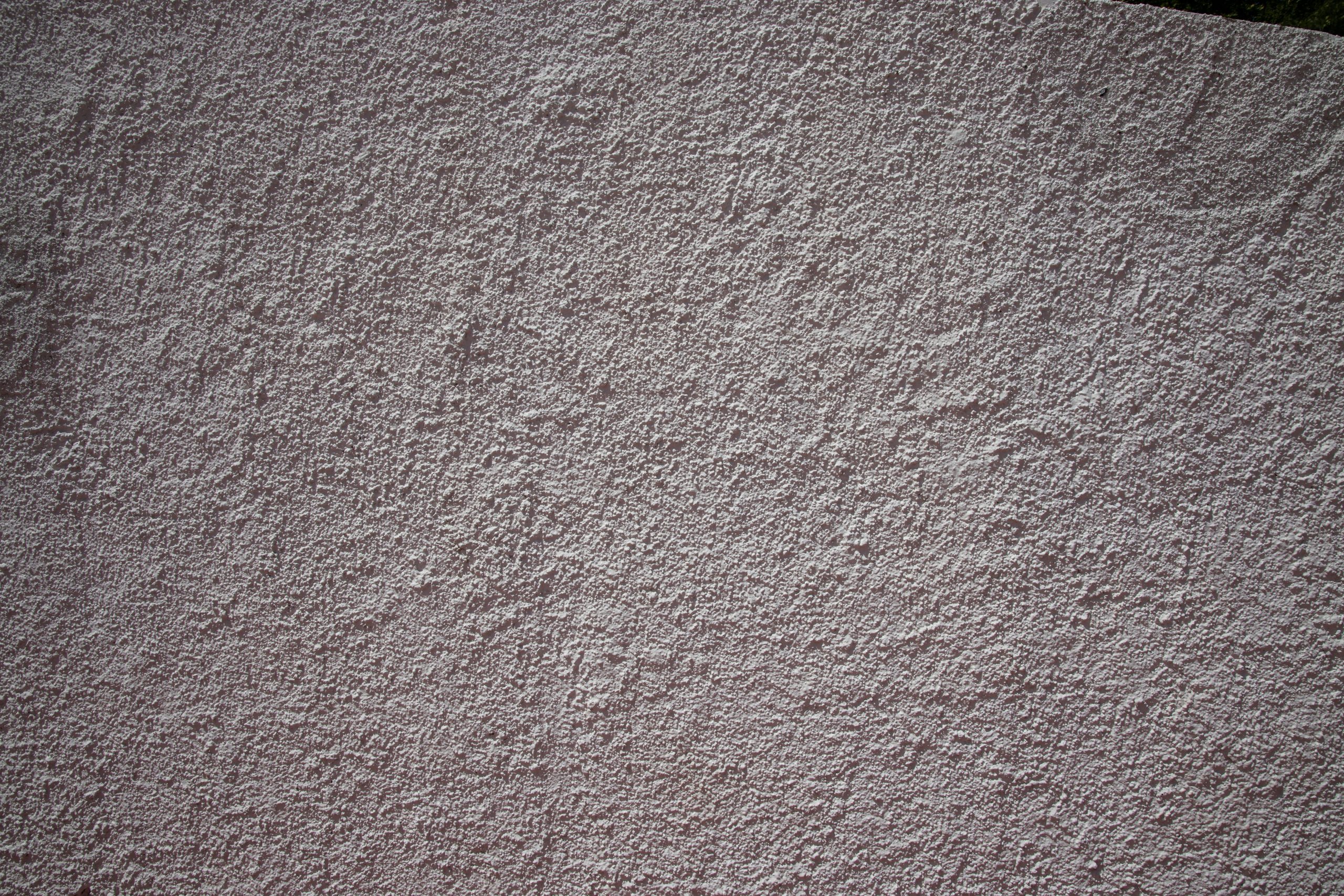
The image below shows a typical rough render finish on a gray stucco wall. Textures like this can hide minor surface variation, which is one reason they are popular on older homes.

Durability and Movement
The biggest practical difference between the two finishes is how they respond to movement. Every building shifts a little with temperature changes, settling and moisture. Because cement render is comparatively rigid, it can crack if the wall beneath it moves more than the render can accommodate. Shrinkage during curing, rapid drying in hot weather and an incorrect mix can also contribute to hairline cracking.
Acrylic render is more forgiving. Its flexibility helps it absorb minor movement, which is why it is often specified on lightweight substrates and on walls where some movement is expected. That flexibility is not unlimited, however. A wall with significant structural movement will eventually show through any finish.
Useful points to weigh up:
- Cement render performs well on stable, solid masonry with little movement.
- Acrylic render handles small amounts of movement better and suits a wider range of wall types.
- Neither finish can correct cracking caused by foundation problems. The cause should be assessed first.
- Cracks wider than about 1 mm should be treated rather than simply painted over.
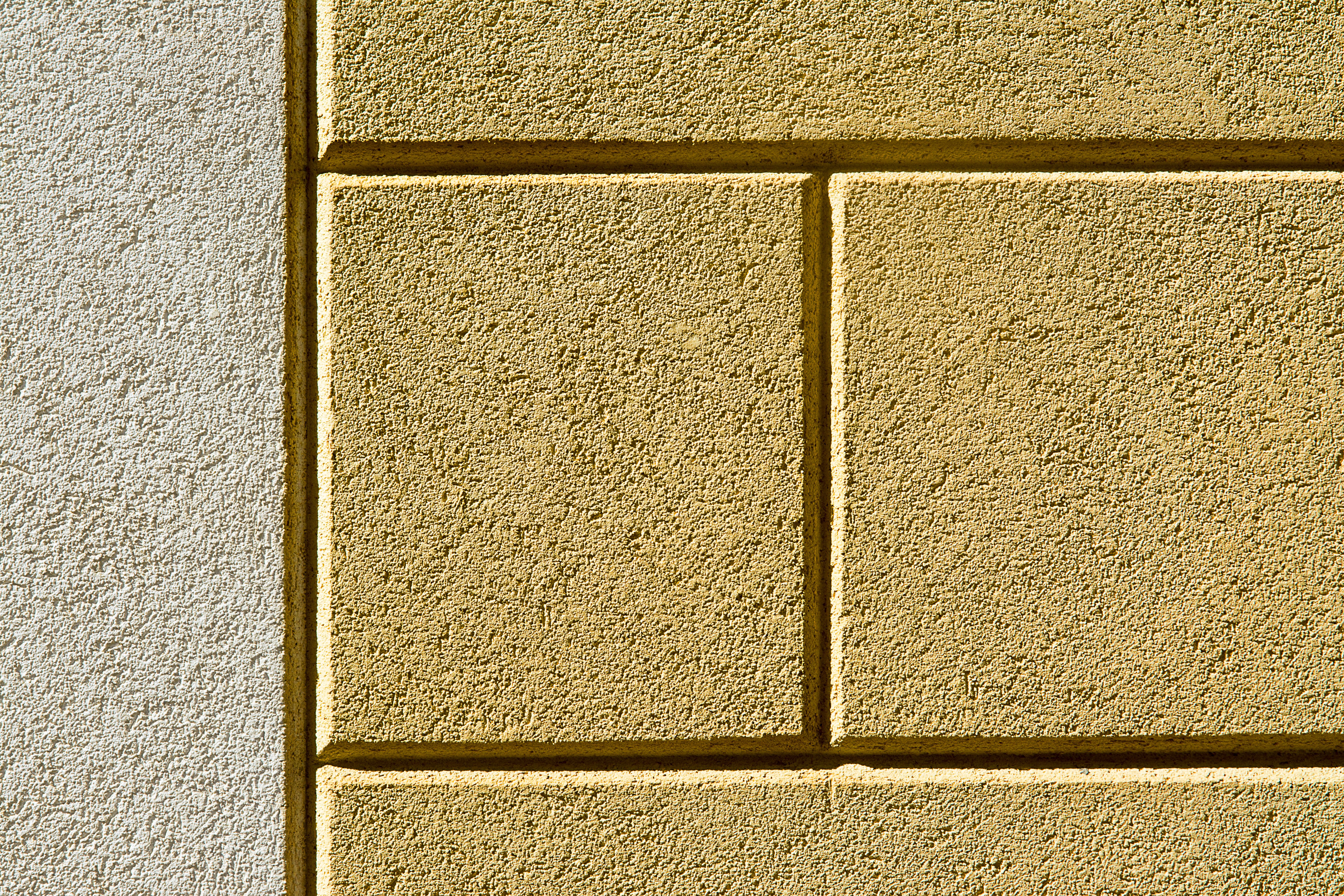
If you are already seeing cracks, it is sensible to have a qualified rendering contractor look at the wall before choosing a finish. Specialists who handle concrete cement wall repairs in Sydney can usually tell you whether the damage is cosmetic or a sign of movement that needs addressing first.
Weather, Moisture and Maintenance
Both finishes need care, but the type of care differs. Cement render generally absorbs more moisture unless it is properly sealed and painted, and it can be affected by freeze-thaw cycles in cooler regions. Acrylic render is typically more water-resistant, although it is not waterproof in its own right. Water that enters through failed flashing, leaking gutters or damaged sealant can still find its way behind any finish.
Maintenance routines look something like this:
- Cleaning: gentle washing every year or so keeps dirt and contaminants from building up. Coastal homes usually need it more often.
- Inspection: check for cracks, staining, bubbling and failed sealant around windows and doors.
- Repainting or recoating: cement render is often repainted every few years. Acrylic systems may need a topcoat refresh on a longer cycle.
- Moisture control: keep gutters clear, direct downpipes away from walls and keep garden beds and soil below the level of the wall base.
For acrylic systems in particular, manufacturers recommend regular washing and inspection routines. The care and maintenance guidance from Dulux on acrylic texture systems is a useful reference for what a typical schedule looks like, and it also explains why checking nearby elements such as gutters and sealant matters as much as the surface itself.

Cost and Application
Cement render usually has a lower material cost, which is a major reason it remains common. Acrylic render often costs more up front, but the total cost depends on preparation, repairs, the number of coats and how often the wall needs attention later. A cheaper quote is not always the better value if the preparation has been rushed.
Application matters for both finishes. Key factors include:
- Thorough surface preparation, including cleaning, repairs and checking for damp.
- Correct mesh and reinforcement at corners and around openings.
- Appropriate weather conditions during application and curing.
- Clean edge detailing at the base of the wall, window reveals and roof lines.
Temperature and humidity can affect curing for both products. Manufacturers often set minimum application temperatures, and they warn that rushed drying can cause cracking or crazing. The Sika technical bulletin on cool-weather application of acrylic and cementitious materials explains why these limits exist and how they affect performance.
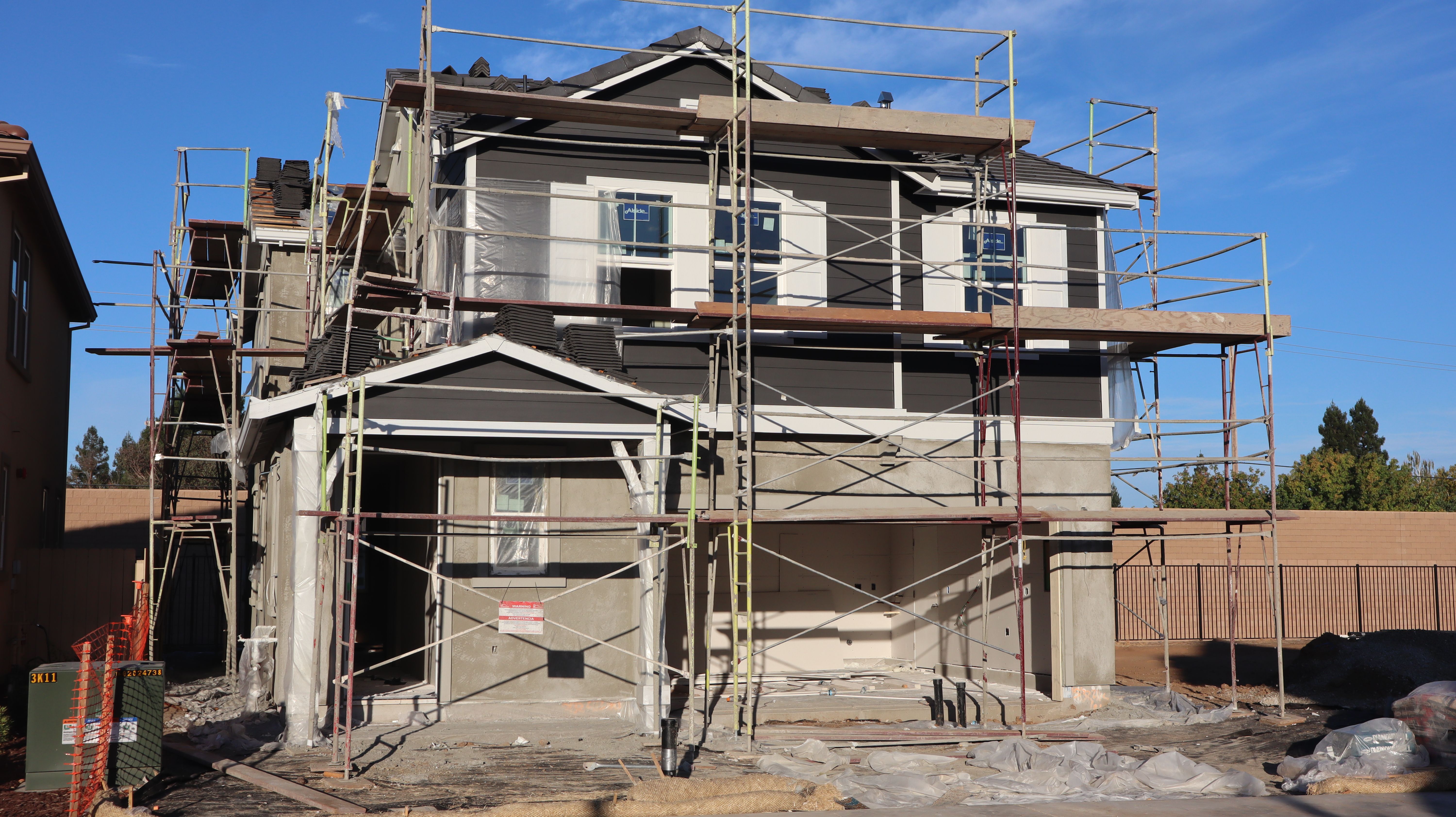
Because application is disruptive, plan for scaffolding, access and temporary changes to outdoor areas. This image shows what a render project can look like while the work is underway.
Side-by-Side Comparison
The table below summarises the main differences. It is a general guide only, since product formulations and installation quality vary.
Choosing for a Lived-In Home
For a home you are living in, the decision usually comes down to three questions. First, what is the wall made of, and is it moving or damp? Second, how much maintenance are you willing to schedule each year? Third, how long do you plan to stay? Cement render suits a solid, stable masonry wall with a tight budget and a willingness to repaint on a regular cycle. Acrylic render suits walls with some movement risk, coastal exposure or a preference for lower ongoing attention.
Whichever you choose, get a written scope that covers preparation, repairs, reinforcement, coats and weather rules. Ask how any existing cracks or moisture problems will be dealt with before new finish goes on. A well-prepared wall in either material will outperform a poorly prepared one in the more expensive product.
In the end, the best finish is the one that matches your wall, your climate and the way you actually live with your home. Take the time to get the substrate assessed, compare quotes on equal terms and plan the maintenance from day one.