
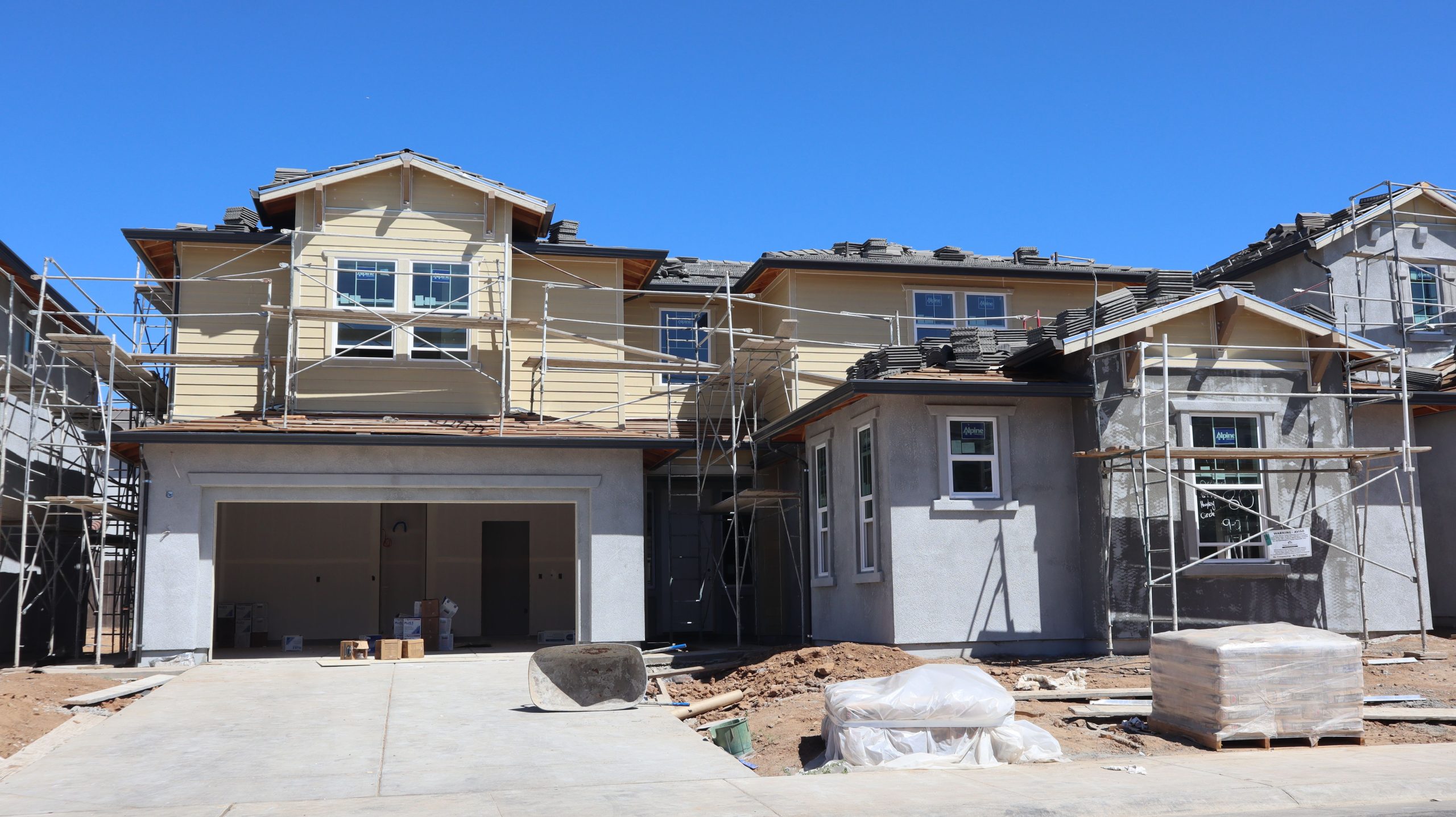
When I started looking for a custom home builder, I assumed the hard part would be choosing the design. It turned out the more important work was the interviews. A pretty floor plan means little if the builder cannot show a valid licence, explain how the price can change, or tell you who will answer your calls in month eight. The questions below are the ones I wish I had asked earlier, and the ones I would ask again if I were starting over. If you are still deciding whether a new build suits your site, it can help to compare options first, including a guide to the best knock down rebuild Sydney homeowners often consider before committing to a builder.
Table of Contents
- 1. Can you prove your licence and insurance?
- 2. Who is actually doing the work?
- 3. What does the price really cover?
- 4. How are changes priced and approved?
- 5. What happens after you move in?
1. Can you prove your licence and insurance?
Ask for the licence number in writing, then check it yourself on the state or territory licensing register. Do not rely on a PDF the builder emails you. Confirm the licence is current, covers residential construction, and has no open disciplinary actions. The U.S. Consumer Financial Protection Bureau recommends the same basic steps when hiring any contractor, including asking for references and confirming general liability and workers’ compensation cover. You can see its list of questions to ask before hiring a contractor for a useful starting point.
Insurance deserves the same scrutiny. Ask for certificates of currency, not just a verbal assurance, and check whether subcontractors are covered too. A builder who hesitates here is giving you information you need.
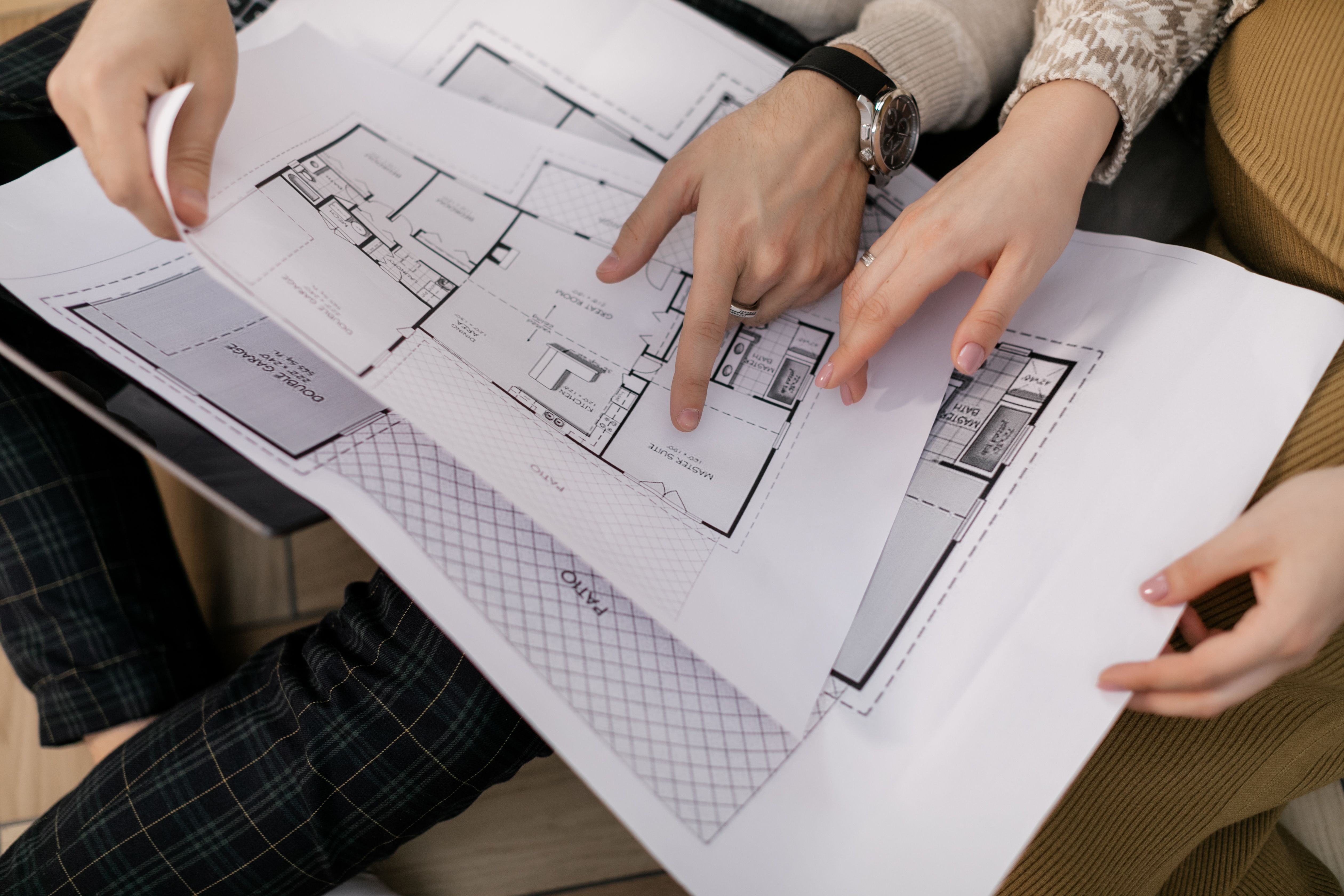
2. Who is actually doing the work?
Many buyers meet a polished sales lead and assume that person will run the job. In practice, the day-to-day work may fall to a project manager you have never met, or to subcontractors the builder rarely supervises directly. Before you sign, ask a few specific things:
- Who is my main contact, and will they be on site or in the office?
- How many active projects does each project manager oversee at once?
- Which trades are employed directly, and which are subcontracted?
- Can I speak with two or three past clients, ideally one whose home is more than a year old?
The National Association of Home Builders advises buyers to ask for references and to find out how long the company has been operating. Its guide on how to choose a home builder covers these checks in more depth, and it is worth reading before your first interview.

3. What does the price really cover?
A quote is only as reliable as the document behind it. Ask whether the contract is fixed-price, cost-plus, or a guaranteed maximum price, and what each one means for you. A fixed-price contract gives you more certainty once the design is settled. Cost-plus can suit a project where decisions are still open, but it puts more of the cost risk on you. The table below summarises the main options I came across.
Whatever the structure, ask what is excluded from the price. Common gaps include site works, connection fees, landscaping, and appliances. Allowances, such as a set sum for kitchen fittings, should be itemised so you can see where the money goes and what happens if you go over.
- Is the price fixed, an estimate, or capped?
- Which items are allowances, and how were they set?
- What is excluded from the quote?
- What is the payment schedule, and does it tie to completed stages of work?
4. How are changes priced and approved?
Almost every custom build changes at some point. You might move a window, upgrade a benchtop, or find a site condition that nobody expected. What matters is how the builder handles it. I would expect a written change order that describes the work, states the cost and any delay, and carries your signature before the work starts. Verbal approvals are where disputes begin.
Ask the builder to show you a sample change order and walk you through the process. A sound answer sounds something like: nothing changes without a signed document, and we price it before we touch it. If the answer is vague, treat that as a warning sign.

5. What happens after you move in?
The handover is not the end of the relationship. Defects tend to show up in the first year, when you are learning how the house behaves through summer and winter. Ask what the warranty covers, how long each part of it lasts, and how claims are lodged and answered. Find out whether the builder provides a homeowner manual, maintenance schedule, and as-built records for the plumbing and electrical systems.
Also ask how the company responds to problems. A builder who is still operating and well regarded years later is far more likely to honour a warranty than one who has rebranded to escape complaints.
A Final Word Before You Sign
Good builders welcome hard questions. They will answer them directly, put the answers in writing, and let you check their claims. If a builder becomes defensive when you ask about licences, contracts, or references, that reaction tells you more than any showroom or brochure. Take the time to compare at least three builders using the same list, and trust the one whose answers are specific and consistent.