
Car accidents are among the most stressful and disorienting events a person can experience. In the immediate aftermath, it can be difficult to think clearly — but the steps you take in the first hours and days after a collision can have a significant impact on your ability to recover compensation.
This guide walks California drivers through the critical actions to take after a car accident — and just as importantly, explains why those steps matter in protecting your health, finances, and legal rights.
Contents
- Step 1: Check for Injuries and Call 911
- Step 2: Document the Scene Thoroughly
- Step 3: Seek Medical Attention Promptly
- Step 4: Notify Your Insurance Company — Carefully
- Step 5: Understand Your Legal Rights in California
- Step 6: Consult a California Car Accident Attorney
- What Damages Can You Recover?
- Additional Step: Protecting Evidence After the Accident
- Common Mistakes to Avoid
- Final Thoughts: Why These Steps Matter
Step 1: Check for Injuries and Call 911

Source: homefrontgroup.com
Your first priority is safety — always.
Immediately after a crash, take a moment to assess yourself and anyone else in your vehicle. Injuries are not always obvious right away. Adrenaline can mask pain, making serious conditions feel minor at first.
If there is any indication of injury, call 911 without hesitation.
Beyond safety, there is also a legal requirement. In California, accidents involving injury, death, or property damage exceeding $1,000 must be reported to the DMV within 10 days . Failing to do so can lead to penalties, including potential license suspension.
When emergency responders arrive:
- Be cooperative and respectful
- Provide factual information only
- Avoid statements like “I think I caused this” or speculation about what happened
These early statements can later be used by insurance companies to shift blame — even if you were not at fault.
Step 2: Document the Scene Thoroughly

Source: lawforpersonalinjury.com
Once everyone is safe, your focus should shift to documentation. Think of this as building the foundation of your future claim.
The goal is simple: capture everything before it disappears.
Start with photos and videos. Do not just take one or two quick shots — be thorough and intentional.
- Capture all vehicles from multiple angles
- Photograph damage, skid marks, debris, and road conditions
- Include traffic signs, signals, and weather conditions
- Take photos of visible injuries, even minor ones
Then move on to gathering information:
- Driver’s name, phone number, and address
- Insurance company and policy number
- Driver’s license and license plate number
If witnesses are present, politely ask for their contact details. A short conversation now can become critical testimony later.
A helpful mindset: If you had to explain this accident to someone who wasn’t there, would your photos and notes tell the full story?
Step 3: Seek Medical Attention Promptly
Source: physiciansgroupllc.com
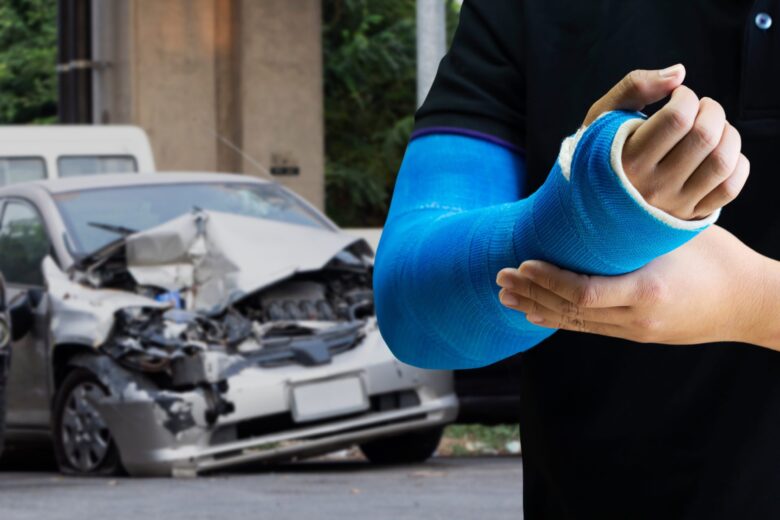
Even if you feel “fine,” getting medical care is not optional — it is essential.
Many injuries, including:
- Whiplash
- Soft tissue damage
- Concussions or traumatic brain injuries
…can take hours or even days to fully appear.
From a legal perspective, delaying treatment creates a gap that insurers often exploit. They may argue:
“If you were really injured, why didn’t you see a doctor immediately?”
To protect both your health and your claim:
- Schedule a medical evaluation as soon as possible
- Follow all treatment recommendations
- Be consistent with follow-up appointments
Keep detailed records of everything:
- Medical visits
- Prescriptions
- Physical therapy
- Out-of-pocket costs
These records become the backbone of your compensation claim.
Step 4: Notify Your Insurance Company — Carefully

Source: cathysinkagency.com
You should report the accident to your insurance company promptly. Most policies require timely notification.
However, how you communicate matters just as much as when.
When speaking with insurers:
- Stick to basic facts (time, location, vehicles involved)
- Avoid recorded statements unless prepared
- Do not accept early settlement offers
Early offers are often far lower than what your claim is truly worth, especially before the full extent of your injuries is known.
California operates under a fault-based system, meaning the at-fault driver’s insurance typically pays for damages . However, insurers are still motivated to minimize payouts — even when liability seems clear.
Step 5: Understand Your Legal Rights in California
California follows a pure comparative negligence rule. This is one of the most important concepts to understand after an accident.
In simple terms:
- You can recover compensation even if you were partially at fault
- Your compensation is reduced by your percentage of fault
For example:
- Total damages: $100,000
- Your fault: 20%
- Recovery: $80,000
This system ensures fairness — but it also means insurance companies may try to increase your share of fault to reduce what they owe .
Key Legal Deadlines
Timing is critical:
- Personal injury claims: 2 years from the accident date
- DMV reporting (SR-1): within 10 days for qualifying accidents
Missing these deadlines can permanently prevent you from recovering compensation.
Step 6: Consult a California Car Accident Attorney

Source: brylaklaw.com
Insurance companies have experienced adjusters and legal teams working to minimize payouts. Having skilled legal representation levels the playing field. A qualified Anand Desai Law car accident attorney can evaluate the full value of your claim — including medical bills, lost wages, pain and suffering, and future care costs — and negotiate aggressively on your behalf.
An attorney can also help gather evidence, retain accident reconstruction experts, and, if necessary, take your case to trial.
Insurance companies have professionals working to reduce payouts. Having legal representation ensures you are not navigating this process alone.
What Damages Can You Recover?
Car accident victims in California may be entitled to several types of compensation.
These generally fall into two categories:
Economic Damages (Financial Losses)
- Medical expenses (past and future)
- Lost wages
- Reduced earning capacity
- Property damage
Non-Economic Damages (Personal Impact)
- Pain and suffering
- Emotional distress
- Loss of enjoyment of life
- Loss of consortium
In more serious cases — such as those involving reckless behavior like drunk driving — punitive damages may also apply.
Additional Step: Protecting Evidence After the Accident

One often overlooked step is preserving evidence after you leave the scene.
Evidence does not just exist at the crash site — it continues afterward.
Consider keeping:
- Damaged personal items (clothing, devices)
- Repair estimates and invoices
- A daily journal describing pain and limitations
Small details, recorded consistently, can significantly strengthen your case.
Common Mistakes to Avoid
Even well-intentioned drivers make mistakes after an accident that can harm their claim.
Some of the most common include:
- Admitting fault too early
- Skipping medical treatment
- Accepting quick settlement offers
- Failing to document the scene
- Posting about the accident on social media
A useful rule: If it could be used to question your credibility or injuries, assume it will be.
Final Thoughts: Why These Steps Matter
A car accident is not just a single event but the start of a legal and financial process that requires careful decisions. Every step you take. from seeking medical care to documenting evidence, plays a role in protecting your claim and your recovery.
California’s fault-based system means responsibility must be established, and compensation may be reduced based on your share of fault.
Acting early, staying organized, and avoiding rushed decisions can significantly affect your outcome. When uncertainty arises, informed action and proper guidance can help ensure your rights remain protected.