
Dog bites are an unfortunate and often preventable public health issue. While most dogs are loving companions, under certain circumstances even friendly dogs may bite. Understanding the realities around dog bites, including warning signs, most at-risk victims, and potential health consequences can help promote bite prevention and appropriate response.
Contents
Which Dog Breeds Are of Most Danger?
Any dog is capable of biting a human, as atlantaadvocate.com points out. Even breeds considered family-friendly can bite if provoked, fearful, territorial, maternal, or in pain. However, certain breeds have more powerful jaws and prey drive, making their bites especially dangerous.
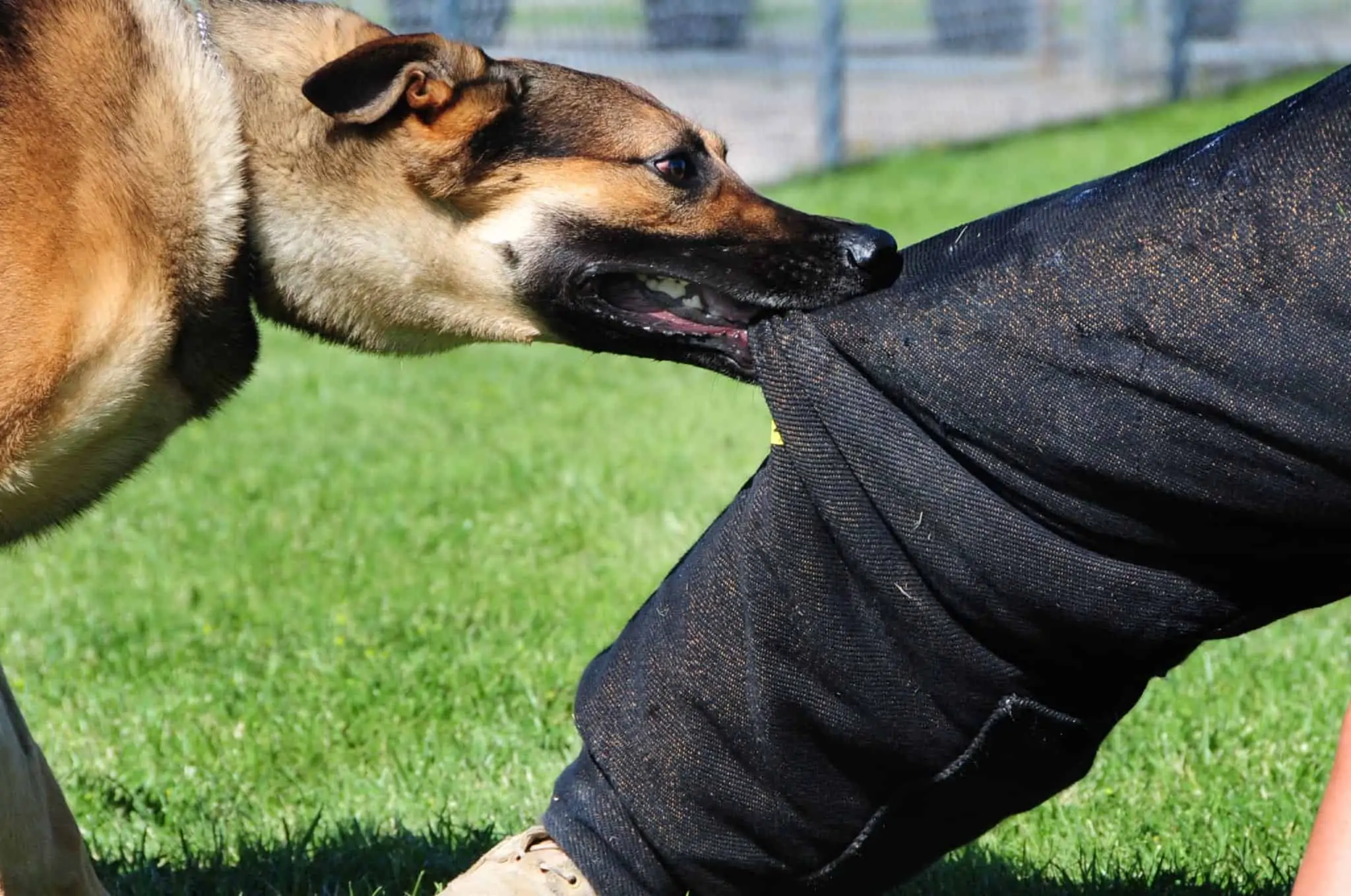
According to research, pit bulls are responsible for the highest percentage of reported bites across the United States and Canada. Their genetic history involves breeding them not to display warning signs before biting, and their powerful jaws and muscular build enable them to inflict severe injuries. Rottweilers and German Shepherds were historically used in police and military contexts, breeding them for aggression when necessary. As popular pets, they can be territorial, protective, and intense.
Smaller dog breeds can bite frequently too, but their smaller size means fewer bites require hospital visits. Ultimately a dog’s propensity for aggression depends on its genetics, how it was bred historically, early socialization, training, underlying medical issues, and the behavior of its owner. However, statistics show pit bulls and other large, working breed dogs are most dangerous when they do attack or bite people.
Source: ndvlaw.com
Who is Most At Risk When Bitten By a Dog?
Children are disproportionately affected by dog bites due to their small size, excitability, and limited ability to interact safely. Children under five years old make up the majority of dog bite victims, with the face and head being the predominant location of injury in small children. Bites often happen during everyday interactions, such as when a child approaches a dog at rest, disturbs a dog while eating or sleeping, tries hugging or kissing a dog, or reaches through a fence. Small provocations can trigger a dog and lead to bites.
Senior citizens are another high-risk group due to slower reflexes, weaker resistance, and vulnerability to falling during an attack. Individuals with bleeding disorders are susceptible to continued blood loss from bite injuries. People with disabilities that impact their mobility or ability to protect vital areas are also at higher risk of attack and subsequent problems from dog bites. When considering who is most vulnerable to complications from dog bites, very young children, seniors, and anyone with a weakened immune system or medical condition that inhibits healing faces amplified risk. Knowing which groups face greater danger can help guide education and prevention efforts surrounding dog attacks.
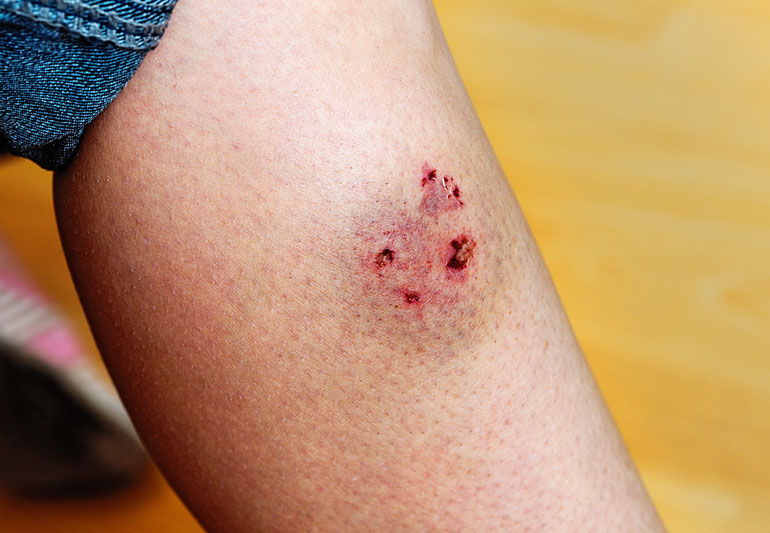
Dog bites carry multiple dangers beyond the actual punctures, including:
Source: health.clevelandclinic.org
Infection
The mouth of an unwell dog also contains higher bacterial loads, increasing infection risks. Bites involving shaking or tearing lead to additional tissue trauma, providing further sites for infection. Due to both bacteria transfer and tissue trauma, dog bites require careful cleaning, monitoring for infection, and consideration of antibiotic treatment. Quick treatment helps prevent infection establishment or progression. Therefore, dog bites should never be left untreated due to the risk of developing a serious bacterial infection. Without proper cleaning and antibiotics, infections can progress to abscesses, bone/joint inflammation, sepsis, and necrosis.
Source: nationaleczema.org
Nerve/Tissue Damage
Deep bites and bites that shake and tear flesh cause severe trauma beyond surface lacerations. Nerves, blood vessels, muscles, tendons, and bones can be damaged, sometimes requiring reconstructive surgery. Bites typically damage skin, subcutaneous tissue, muscle, blood vessels, and peripheral nerves. This leads to pain, bleeding, swelling, infection, loss of sensation, or mobility in the affected region.
Facial bites around the eyes or nose are especially dangerous as they may damage important sensory and motor nerves including the facial and optic nerves. Bites to the hand or arm can sever tendons, ligaments, and radial, ulnar, and median nerves which facilitate finger movement and feeling. Leg bites impact mobility by harming the quadriceps, hamstring, peroneal, or tibial nerves. Without prompt treatment like antibiotics, debridement, and sutures, dog bites can progress to necrotizing fasciitis or disabling injuries causing long-term impairment due to extensive nerve and tissue damage.

Source: myhols.ie
Rabies Contraction
Although rare due to vaccination protocols, rabies transmission via dog bites still represents over 90% of rabies cases in humans. Rabies has exceptionally high fatality rates if post-exposure treatment is delayed. Sadly, death usually occurs within days after advanced symptoms first appear. Thankfully, due to modern preventative measures, rabies in human adults and children remains an extremely infrequent occurrence in industrialized nations.

Source: politolaw.com
Emotional Trauma
Being bitten by a dog can lead to significant emotional trauma beyond just the physical wound. Some people experience heightened anxiety, panic attacks, or uncontrollable thoughts about being bitten again.
In children especially, a dog bite can cause new or worsening fears of canines. This “cynophobia” can be extremely distressing and isolating. Some victims refuse to be in the same room or building as a dog afterward. This can strain relationships with friends and family members who own pets. It can also lead to social withdrawal overall.
With supportive psychology treatment including trauma-focused cognitive behavioral therapy, most people recover in a matter of months. However, emotional scars may still endure, surfacing unexpectedly even years later. Establishing a renewed sense of safety is critical. For many, it also helps to better understand the context, recognizing a painful accident rather than any willful viciousness. Still, it takes time to process feelings of shock, anger, and injustice before moving into a healthier resolution.
To reduce dog bite occurrence, experts recommend tailored interventions for both dogs and humans, including muzzle or leash laws tailored to breeds and public spaces, spay/neuter campaigns, breed-specific adoption screening, bite reporting and data collection systems, education on canine body language and communication, increased supervision of child-dog interactions, and medication or training for dogs with aggression. If confronted with an aggressive dog, standing still with hands folded over the chest, avoiding direct eye contact, and backing away slowly are recommended. Seeking immediate medical help for bites and reducing infection risk is vital. Being aware of dog bite realities promotes safety for all. Overall, dog bites send over 330,000 people annually to emergency rooms in the United States. By taking the right steps, you can reduce the risk of being one of these ER visitors.