
Inductively coupled plasma optical emission spectroscopy (ICP-OES) is among the most flexible inorganic analytical techniques in the laboratory sector. They are preferred for many applications involving elemental analysis of a substance since they have high excitation temperatures ranging from 5000-7000. ICP-OES are most used in environmental, geological, pharmaceutical, and food safety analysis.
ICP-OES spectroscopy can be used with various sample types, including liquids and solids. But some samples require specific preparation methods or ICP OES instruments to incorporate the sample into the apparatus.
ICP-OES is an analytical method for determining the atomic makeup of a specific sample. The method accurately analyzes a sample’s atomic composition within a compound’s complex structure by using the distinct photophysical indicators of each element.
It is being applied to applications such as determining components in the human brain and the chemical makeup of electronic cigarettes, screening pesticides, and the purity of a medicinal substance.
Contents
How does ICP-OES work?
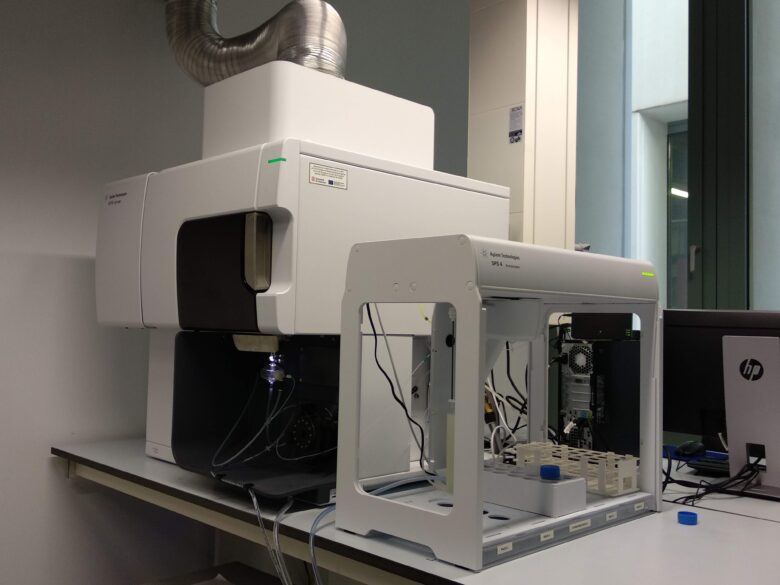
Source: multiscale.upc.edu
To perform ICP-OES, you’ll need essential elements such as the following:
- High energy plasma
- Sample aerosolizer
- Wavelength separation mechanism
- Detector and signal processor
How to Analyze ICP-OES Data?
ICP-OES data is analyzed by comparing wavelength-specific light intensity to calibration data to calculate atom concentration. Most devices in use today allow the operator to choose from various wavelengths, and they should choose ones that match the emission signals from the target atoms.
Regarding possible interferents and their capacity to impair system operation, there are additional issues to consider while reviewing ICP-OES data. Users are encouraged to utilize an internal standard to adjust for data-to-sample variability and variations in sample processing settings to remove unwanted interferences before analysis.
After choosing the appropriate wavelength and locating the constituent parts within the “s.” The most important output data from ICP-OES is the types of elements identified in the sample and their corresponding ratios inside that sample after the standard procedures have been successfully implemented.
The comparison of the light intensity acquired in the sample to the light intensities associated with known sample compositions is made possible by calibration data.
What is the Difference Between ICP-OES and ICP-AES
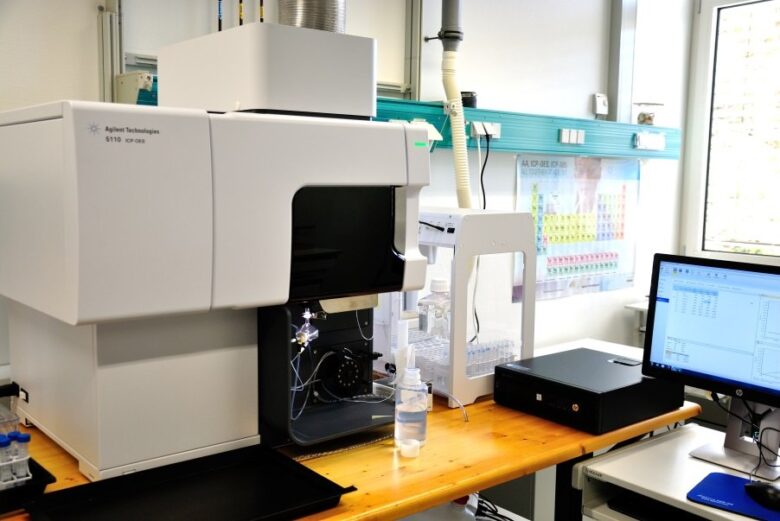
Source: gfz-potsdam.de
There’s no difference between the terms. Inductively coupled plasma atomic emission spectroscopy (ICP-AES) and inductively coupled plasma optical emission spectroscopy (ICP-OES). Both are frequently used concurrently in scientific literature as techniques involve the emission of photons from an ionized sample that might be broken down into impulses from the constituent elements.
Instrumentation and Components
The main components of an ICP-OES system are:
- Plasma torch: This is the heart of the ICP-OES system and produces the plasma by ionizing the argon gas flowing through it. The plasma torch consists of three concentric tubes, with the sample and the nebulizer gas flowing through the inner tube.
- Nebulizer: This is used to convert the sample solution into a fine mist or aerosol, which is introduced into the plasma.
- Optical emission spectrometer: This is used to detect the emitted light from the plasma and measures the intensities of the spectral lines.
- Sample introduction system: This includes the nebulizer and the spray chamber, which are used to introduce the sample into the plasma.
- Calibration standards: These are used to calibrate the instrument and to generate calibration curves for quantitative analysis.
Sample Preparation for ICP-OES Analysis:
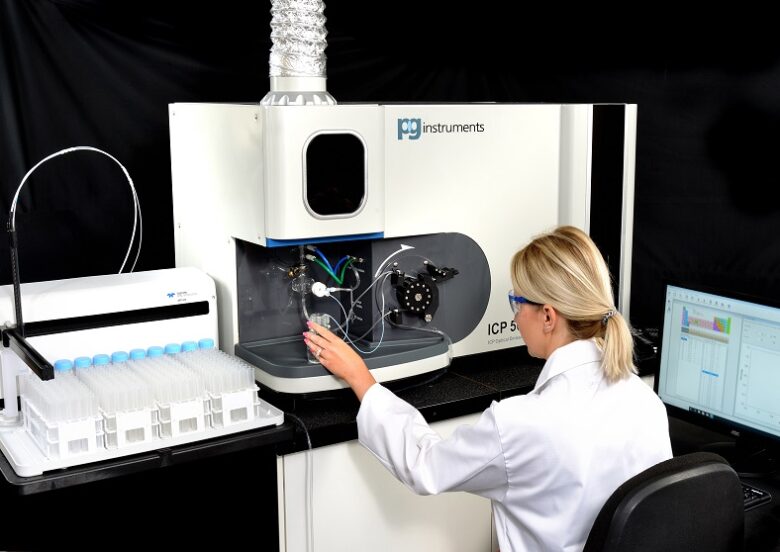
Source: pginstruments.com
Sample preparation is a crucial step in ICP-OES analysis, and it involves the following steps:
- Selection of sample: The sample should be representative of the population being studied and should be in a form that can be easily introduced into the instrument.
- Sample digestion: The sample is digested to break down the sample matrix and release the analytes of interest. Various digestion methods, such as acid digestion, microwave digestion, and fusion digestion, can be used depending on the sample type and the analytes of interest.
- Sample dilution: The digested sample is diluted to a suitable concentration that can be easily introduced into the instrument. The dilution factor depends on the concentration of the analytes of interest and the sensitivity of the instrument.
Calibration and Quality Control
Calibration and quality control are essential for ensuring the accuracy and precision of ICP-OES analysis. Calibration involves the use of certified reference materials to generate calibration curves for each analyte of interest. Quality control involves the use of control samples, such as blanks and spiked samples, to ensure the accuracy and precision of the instrument. The results of the control samples are used to calculate the precision and accuracy of the instrument.
Interpreting Results
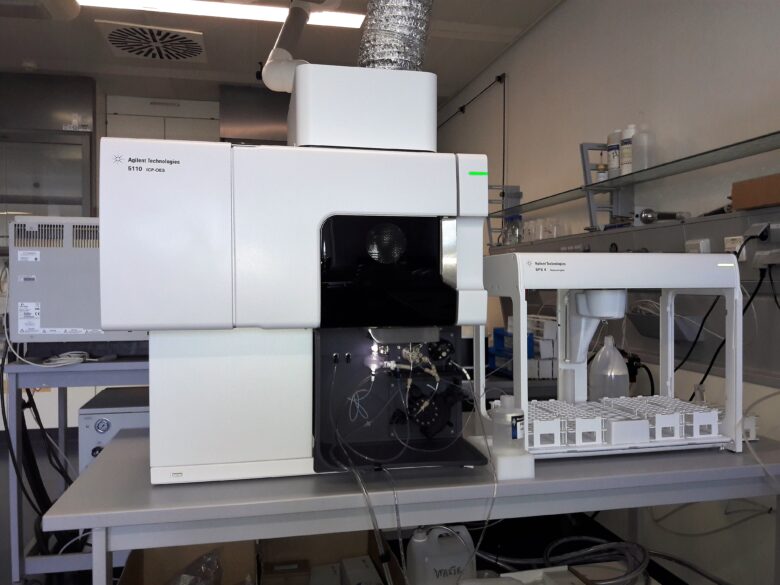
Source: fgga.univie.ac.at
The results of an ICP-OES analysis are typically reported as concentrations of the analytes of interest. These concentrations can be used to determine if the sample meets regulatory requirements or if the sample is contaminated. The results can also be used to compare the concentration of the analytes of interest in different samples.
ICP-OES Advantages
Identification of the kinds and ratios of elements in complicated samples is one of ICP-OES’s key advantages. For instance, the composition of crude oil, polluted soil, and heavy metal combinations, which would have been difficult to evaluate using other techniques, have all been successfully analyzed using ICP-OES.
Aside from that, ICP-OES may be used to analyze radioactive materials to identify their elemental composition, while other measures are utilized to assess their level of radioactivity.
ICP-OES Disadvantages
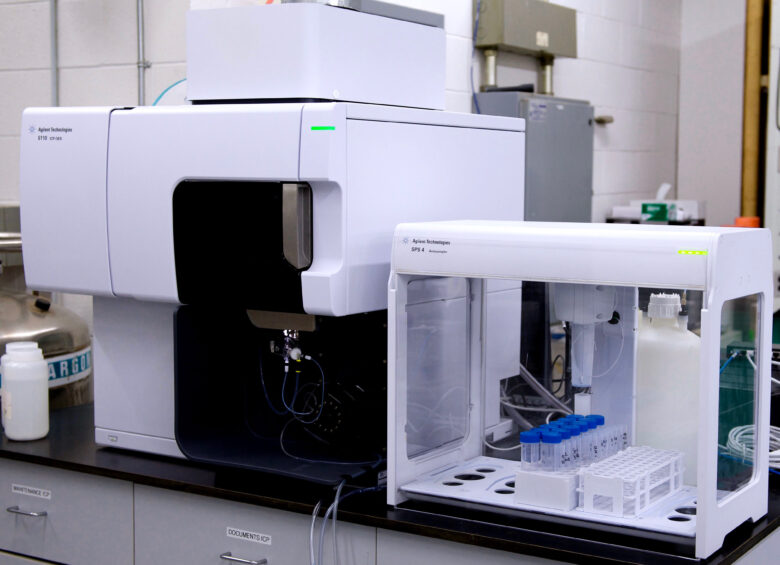
Source: cnete.qc.ca
ICP-OES has several notable drawbacks, including the requirement for aerosolizing samples. This implies that solid and liquid samples cannot be evaluated while still in their solid and liquid forms, despite the advancement of aerosolization techniques.
ICP-OES is also a destructive analytical technique. Therefore, the sample is not retrievable after being examined. As a result, this technique cannot be used to evaluate extremely valuable or uncommon materials.
The necessity of several phases makes method development utilizing ICP-OES a time-consuming procedure. Moreover, access to ICP-OES is inevitably constrained since it necessitates expensive apparatus for plasma production, sample aerosolizing, and signal processing while being substantially less expensive than other related technologies like ICP-MS48.