An engagement ring carries emotional meaning, but it also needs to work as a piece of jewelry worn every day.
Style, comfort, durability, craftsmanship, and personal significance all deserve careful attention.
Thoughtful choices matter more than chasing a temporary trend or spending as much as possible.
A ring chosen around your partner’s habits, taste, and personality has a far better chance of feeling right many years after the proposal.
Set a Realistic Budget
Choose a budget that fits your finances without creating unnecessary debt. Old rules suggesting that a ring should cost a fixed number of monthly salaries do not account for personal income, savings goals, housing costs, or other financial priorities.
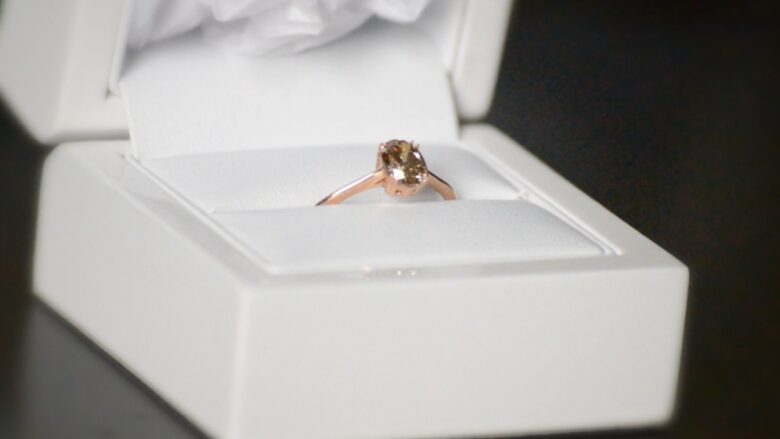
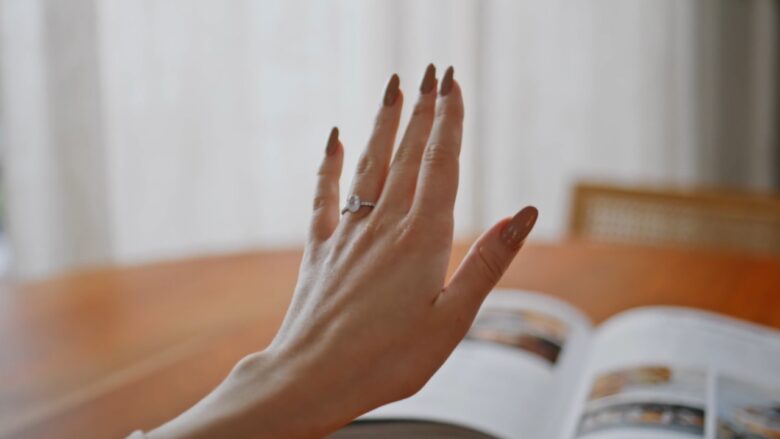
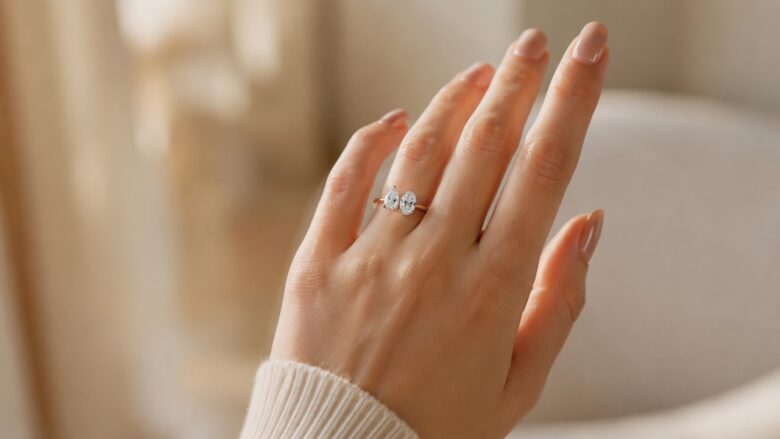
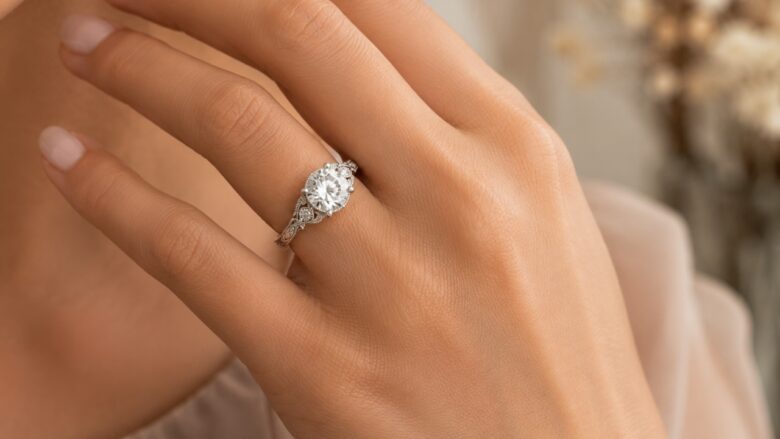
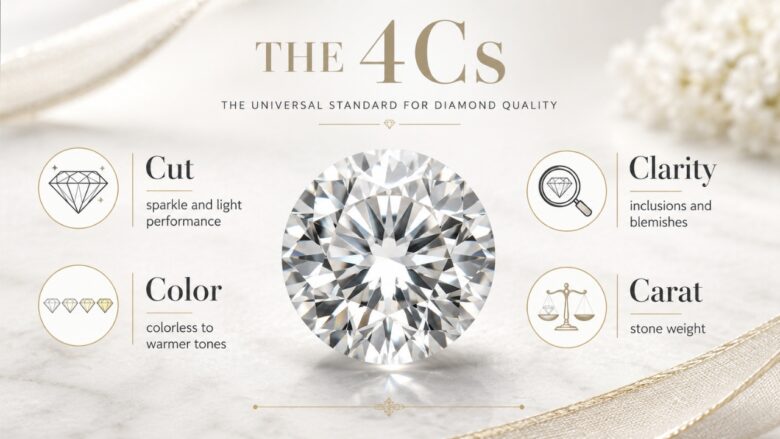
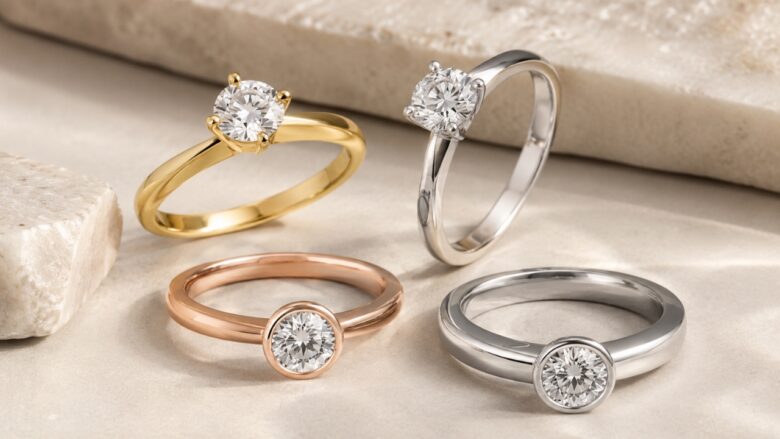
Actual percentages vary, but the breakdown shows why stone choice has such a large effect on price. Carat weight, color, clarity, shape, side stones, custom work, and intricate details can all increase the final cost. Platinum also tends to cost more than gold. Decide which feature matters most before comparing rings. Someone who cares mainly about visible size may prefer a slightly larger stone with a lower color or clarity grade. Someone focused on sparkle may value excellent cut quality more than carat weight. Ring style affects appearance, comfort, maintenance, and how securely the center stone is held. Start with broad categories, then narrow the choice based on your partner’s taste and daily routine. A toi et moi ring uses two stones to represent two people. Stones may match or differ in shape, color, or type. An asymmetrical layout can create a bold and personal result. Balance is important so the ring feels intentional rather than crowded. Classic shapes, clean lines, and well-proportioned settings usually age better than designs tied closely to a short fashion cycle. Personal taste should still lead the decision, since a less conventional ring can be ideal for someone who consistently favors expressive jewelry. Anyone drawn to expressive gemstone settings, raw-stone designs, or two-stone rings can browse https://drunkangel.com. A solitaire places one center stone at the center of attention. Clean proportions and minimal detail make it one of the most dependable options for long-term wear. Solitaire rings also pair easily with many wedding bands. Different prong shapes, band widths, and stone cuts can give the design a classic, delicate, or modern character. A halo surrounds the center stone with smaller stones. Added sparkle can make the center look larger, but more stones also mean more settings that may need inspection or repair over time. Halo rings suit people who enjoy noticeable brilliance and decorative detail. Low-profile halos are often easier to wear than tall, heavily layered designs. A three-stone ring traditionally represents a couple’s past, present, and future. Side stones may match the center or use different shapes for contrast. Careful proportion matters with this style. Side stones should support the center rather than compete with it. Vintage-inspired rings may feature milgrain edges, engraving, filigree, geometric patterns, or Art Deco details. Such designs can feel highly personal, especially for someone who already wears antique-style jewelry. More elaborate metalwork may require extra cleaning and maintenance. Fine decorative sections also need strong craftsmanship to hold up during everyday wear. Stone choice affects price, durability, sparkle, color, and long-term maintenance. Natural diamonds, lab-grown diamonds, and sapphires are among the most practical options for regular wear. Natural diamonds form through geological processes and are valued for rarity, durability, and tradition. Prices depend heavily on cut, color, clarity, carat weight, shape, and certification. A natural diamond may suit someone who places importance on origin, rarity, or traditional symbolism. Lab-grown diamonds have the same chemical composition as natural diamonds. Both rank 10 on the Mohs hardness scale, making them suitable for everyday wear. Lower prices often allow buyers to choose a larger stone or higher quality grade within the same budget. Resale value may be lower, so purchase decisions should focus on personal use rather than future investment. Sapphires rank 9 on the Mohs hardness scale. Strong durability makes them a practical colored gemstone for engagement rings. Blue is the best-known color, but sapphires also appear in pink, yellow, green, white, peach, and other tones. Color quality, treatment, cut, and origin can affect price. Softer gemstones may scratch or chip more easily during frequent wear. Anyone considering emerald, opal, pearl, or another delicate stone should discuss care requirements with a qualified jeweler. Prioritize cut when sparkle matters most. Near-colorless grades and eye-clean clarity grades can often provide strong value without visible compromise. Certification should come with diamonds over 0.30 carats, especially when price depends on specific grading claims. A report issued by a reputable grading laboratory confirms measurements and quality characteristics. Shape and cut should not be confused. Shape refers to the outline, such as round, oval, pear, emerald, cushion, or marquise. Cut refers to proportions, symmetry, and light performance. Metal influences color, weight, maintenance, durability, and cost. Solid 14K gold, 18K gold, and platinum are reliable options for a ring intended for decades of wear. Plated metals are less suitable for an engagement ring because surface plating can wear away and require repeated renewal. Pure 24K gold is generally too soft for daily jewelry. Mixing gold with other metals improves strength and creates different color options. Platinum is naturally white, dense, hypoallergenic, and highly durable. Greater density gives it a heavier feel on the hand. Higher cost may be justified for someone who values a naturally white metal, has metal sensitivities, or wants strong stone security. Platinum develops a soft surface patina over time rather than losing metal in the same way some gold alloys can. A prong setting uses four to six metal claws to hold the stone. Open sides allow more light to reach the diamond or gemstone. Four-prong settings reveal more of the stone, while six-prong settings offer added security. Prongs should be checked periodically for wear, bending, or looseness. A bezel wraps metal around all or part of the stone’s edge. Added protection makes it practical for active wearers or people who regularly use their hands. Less stone surface may be visible, but a carefully designed bezel can look sleek, modern, and refined. Setting height also matters. Tall settings can create a dramatic profile, yet they may catch on sweaters, gloves, hair, or equipment. Lower settings often feel more secure and comfortable during daily use. A lasting engagement ring combines personal style, sensible spending, durable materials, careful construction, and everyday comfort. Strong choices begin with close attention to what your partner already wears and how they live. Size and fashion do not determine emotional value. Meaning comes through care, observation, and the feeling your partner experiences each time they place the ring on their hand.Choose the Right Ring Style
Toi et Moi
Solitaire
Halo
Three-Stone
Vintage-Inspired
Select the Stone
Natural Diamonds
Lab-Grown Diamonds
Sapphires
Evaluate Diamonds Using the 4Cs
Pick the Metal and Setting
Gold
Platinum
Prong Setting
Bezel Setting
Summary