
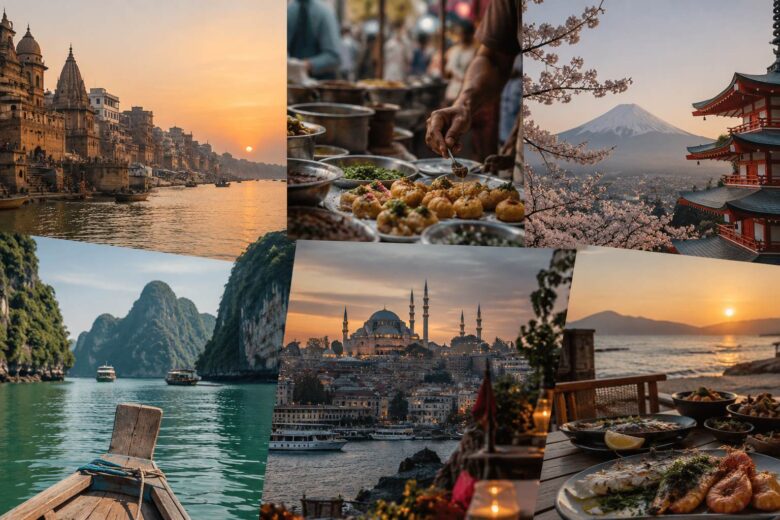
A memorable trip rarely comes down to a single landmark. The places that stay with you are usually the ones where breakfast leads into a market, an afternoon museum turns into dinner somewhere local, and you still have a reason to remain outside long after dark.
For 2027, it is worth looking past the same short list of capitals and resort towns. India has cities such as Ahmedabad, Surat and Chennai that receive far less international attention than Delhi or Mumbai. South America can take you from late dinners in Buenos Aires to beaches and samba in Rio. Japan, Vietnam, Turkey, South Africa and Australia each offer completely different ways to fill a day without relying on a checklist of famous sights.
Here are 12 countries that give travellers plenty to work with if food, culture, nightlife and time spent among local neighbourhoods matter more than simply collecting landmarks.
1. India
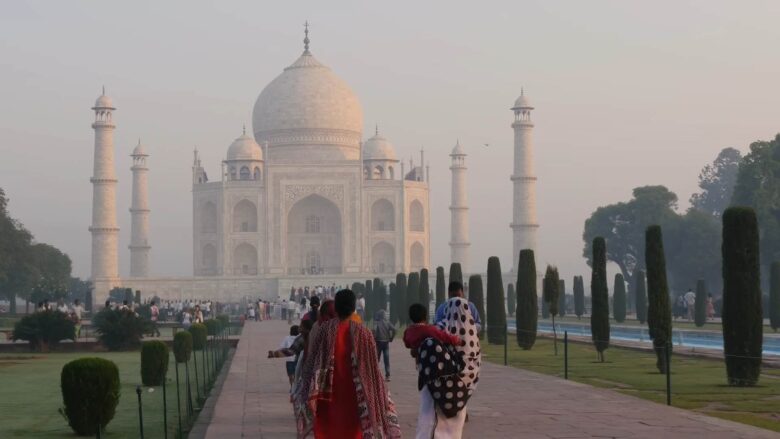
India is too large and too varied to treat as a single type of trip. Delhi, Mumbai, Jaipur and Goa have long been the obvious names for international visitors, but a 2027 trip can become much more interesting by adding cities that show different parts of everyday Indian life.
Ahmedabad combines old neighbourhoods, markets, architecture and a major connection with Mahatma Gandhi. The official Incredible India guide to Ahmedabad highlights the historic Walled City, Sabarmati Ashram and night food areas such as Manek Chowk. If you are alone, and want someone to make you company while exploring the place or visiting various events, you can check out Ahmedabad call girls.
Manek Chowk is particularly useful if food is part of the reason for travelling. The area changes character after dark as food stalls take over, giving visitors an easy introduction to Gujarati snacks and the late evening street scene.
Surat gives Gujarat another side. Its food culture includes dishes such as locho, Surti sev khamani, undhiyu and ghari, while the city also carries a long textile and trading history. Incredible India also points to Surat Castle, the Dutch Garden and local festivals as part of the city experience. And like we mention for previous place, being there alone doesn’t mean you can’t have some fun. You can simply look for Surat call girls and go around the place with company.
Chennai belongs in a completely different itinerary. Mylapore, Kapaleeshwarar Temple, Fort St. George and Marina Beach put Tamil history, religion and coastal life close together. The official Chennai tourism page also gives food a central place, from idli and dosa breakfasts to Chettinad cooking and seafood. Chennai call girls can be perfect for lone travelers as you can check out all those places with a local friendly person.
An India trip built around Ahmedabad, Surat and Chennai would not look anything like the standard Golden Triangle route. That is precisely the point. You get Gujarat street food, textile cities, Tamil temples, beaches and major regional differences within the same country.
2. Japan
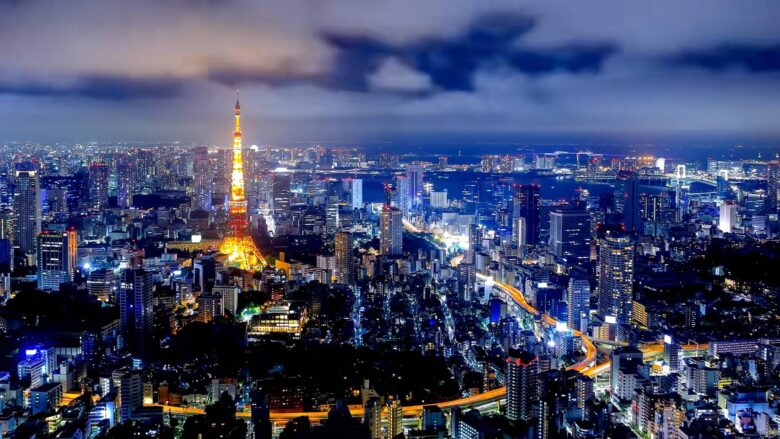
Japan works for travellers who want completely different days without changing countries. Tokyo can absorb a week on its own, but Osaka, Kyoto, Fukuoka, Kanazawa and smaller regional cities make it easy to build a trip around more than the capital.
Tokyo rewards travellers who divide the city by neighbourhood rather than rushing between famous sights. Asakusa brings temples and older shopping streets. Shibuya and Shinjuku deliver restaurants, bars and late evenings. Ginza moves toward department stores, galleries and polished dining.
Osaka is more relaxed and far more centred on eating after dark. The Japan National Tourism Organization guide to Osaka points visitors toward Dotonbori, Namba, Tenma and Ura Namba, alongside dishes such as okonomiyaki.
Kyoto changes the pace again with temples, traditional wooden townhouses, tea culture and older neighbourhoods. A sensible 2027 itinerary can give Tokyo and Osaka the nights, then leave Kyoto for mornings, gardens, temples and slower evenings.
3. Vietnam
Vietnam gives food a central role in the trip almost immediately. Hanoi and Ho Chi Minh City approach street life very differently, and central Vietnam adds another set of flavours through Hue, Hoi An and Da Nang.
Hanoi works best at street level. The Old Quarter is dense with cafes, noodle shops, vendors and small bars, and the city becomes more interesting when the day is allowed to unfold around meals rather than fixed sightseeing appointments.
Ho Chi Minh City feels faster and more spread out. Colonial-era buildings, markets and museums fill the daytime, then rooftop bars, live music spaces and restaurants keep the centre active well into the night.
Hue gives the trip imperial history and central Vietnamese cooking. Hoi An adds old streets and a slower evening pace. Da Nang provides a larger coastal city with beaches and easy access to nearby attractions.
Vietnam currently offers a 90-day e-visa for eligible international visitors, according to the official Vietnam tourism portal, which also makes a longer north-to-south journey easier to plan.
4. Brazil
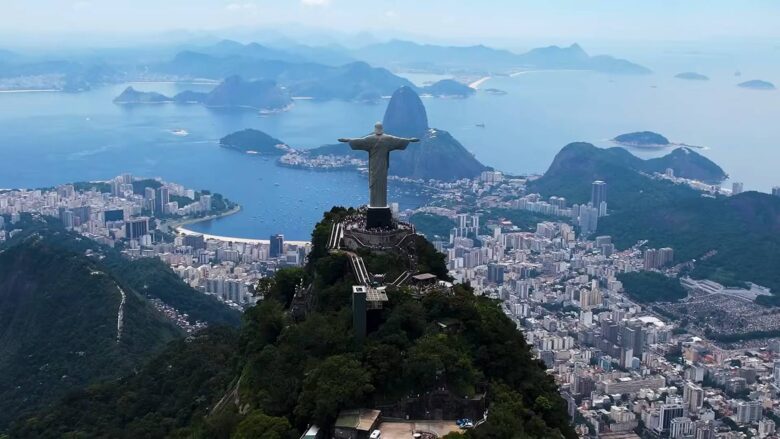
Brazil becomes much more rewarding once the trip moves past the idea that Rio de Janeiro represents the entire country. Rio deserves several days, but São Paulo, Salvador and other regions bring completely different food, music and urban cultures.
Rio still makes an obvious starting point. Ipanema and Copacabana provide beach time, Santa Teresa changes the scenery with hills and older streets, and Lapa becomes busier after dark with music venues and bars.
São Paulo is where food can take over the itinerary. Japanese, Italian, Brazilian, Middle Eastern and regional cooking all appear across a city large enough to support an enormous restaurant and nightlife scene.
Salvador adds Afro-Brazilian history, music and Bahian food. Dishes based around seafood, coconut milk and dendê oil immediately distinguish the city from São Paulo or Rio.
A 2027 Brazil trip therefore does not need to be beach first and everything else second. It can be built around food and city life, with beaches added between them.
5. Argentina
View this post on Instagram
Argentina is a natural fit for travellers who want late nights without sacrificing daytime attractions. Buenos Aires does not shut down after dinner. In many neighbourhoods, dinner is where the evening begins.
Palermo, San Telmo, Recoleta and Chacarita offer different combinations of restaurants, bars, architecture and street life. Tango remains part of the cultural picture, but the city does not need to be reduced to tango shows and steak restaurants.
Mendoza gives the trip a second centre built around wine and the Andes. Vineyards sit outside the city, while Mendoza itself provides restaurants and bars for evenings after winery visits.
There is also a specific 2027 food reason to pay attention. Visit Argentina confirmed that Buenos Aires and Mendoza will remain covered by the MICHELIN Guide in its 2027 edition.
Travellers with more time can add Patagonia, Salta or Iguazú Falls and turn the trip into something far larger than a two-city food break.
6. Thailand
Thailand lets you change the entire character of the trip every few days. Bangkok provides huge markets, temples, street food and nightlife. Chiang Mai adds northern Thai culture and mountains. Phuket brings beaches and a much more tourism-driven evening scene.
Bangkok rewards travellers who stay out late. Yaowarat is particularly useful for an evening built around food, while different parts of Sukhumvit, Silom and the riverside provide very different types of restaurants and bars.
Chiang Mai runs at a slower pace. The Tourism Authority of Thailand highlights Doi Suthep, walking streets, Lanna culture, local food and Nimmanhaemin Road, which makes the city easy to divide between temples and markets during the day and restaurants later on.
Phuket is useful for travellers who want several quiet days mixed with busier nights. Patong carries the largest concentration of nightlife, while other beach areas provide a very different atmosphere.
7. Mexico
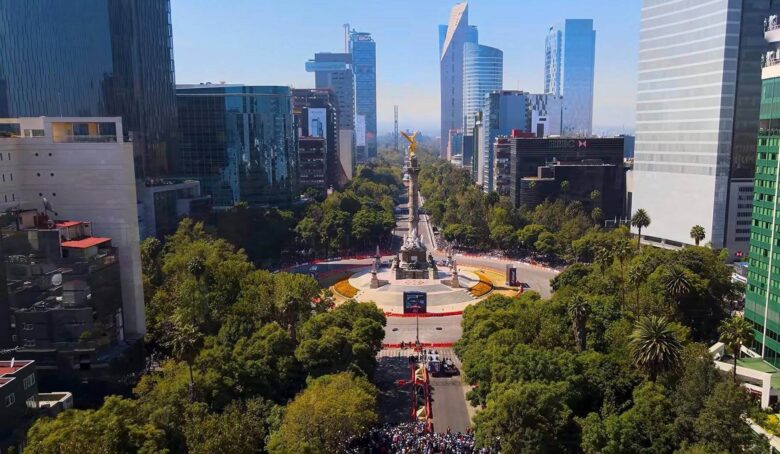
Mexico works best when the trip does not begin and end at a beach resort. Mexico City, Oaxaca and Guadalajara provide enough food, museums, architecture and nightlife for an entire journey before the coast even enters the plan.
Mexico City has major museums and archaeological sites, but neighbourhood time is just as valuable. Roma Norte, Condesa, Centro Histórico and Coyoacán give visitors different combinations of restaurants, markets, bars, galleries and street life.
Oaxaca shifts attention toward regional food and craft traditions. Mole, tlayudas, mezcal and local markets turn eating into part of the sightseeing rather than something squeezed between attractions.
Guadalajara brings another regional identity through Jalisco food, mariachi traditions and tequila country nearby. A longer route can then continue toward the Pacific coast rather than treating a resort as the entire Mexican experience.
8. Turkey
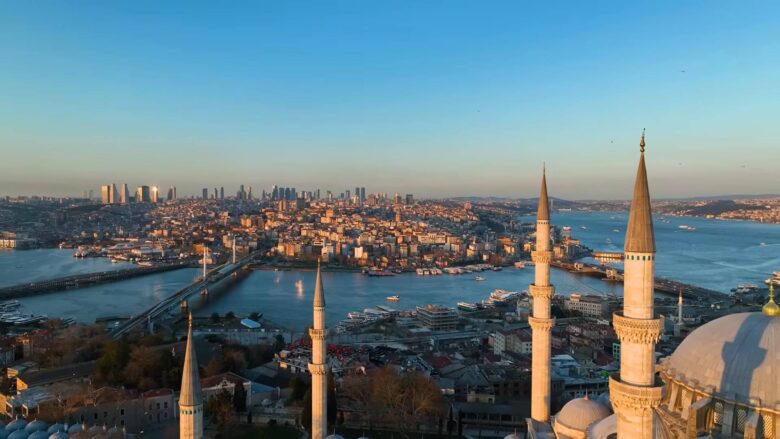
Turkey has enough regional difference to support several trips. Istanbul is the obvious entry point, but Izmir, the Aegean coast, Cappadocia and the southeast change the food and cultural experience considerably.
Istanbul works because historical sites and ordinary city life sit close together. A morning around Sultanahmet can be followed by lunch elsewhere, a ferry across the Bosphorus and an evening in Karaköy, Galata or Kadıköy.
Kadıköy is particularly useful for travellers who want the city outside the main sightseeing areas. Markets, restaurants, bars and busy streets give the Asian side its own evening rhythm.
Izmir provides a looser coastal alternative, with the Aegean food culture bringing seafood, vegetables and olive oil into the centre of meals. Cappadocia then takes the trip away from large cities entirely, replacing nightlife with valleys, cave architecture and long days outdoors.
9. South Africa
South Africa can combine city life, wine, coast and wildlife without pretending they are all the same type of holiday. Cape Town, Johannesburg and Durban each add something different before national parks or smaller regions enter the itinerary.
Cape Town can fill days with the city centre, Table Mountain, the Cape Peninsula or nearby wine areas. Restaurants and bars around Bree Street, Kloof Street and other central districts give visitors enough reason to return to the city rather than staying at the waterfront every night.
Johannesburg adds museums, contemporary culture, restaurants and a very different urban history. Durban brings the Indian Ocean and a food culture shaped heavily by its Indian community, including the local association with bunny chow.
A traveller can therefore build a South Africa trip around cities first, then add safari time separately instead of treating every stop as preparation for wildlife viewing.
10. Australia
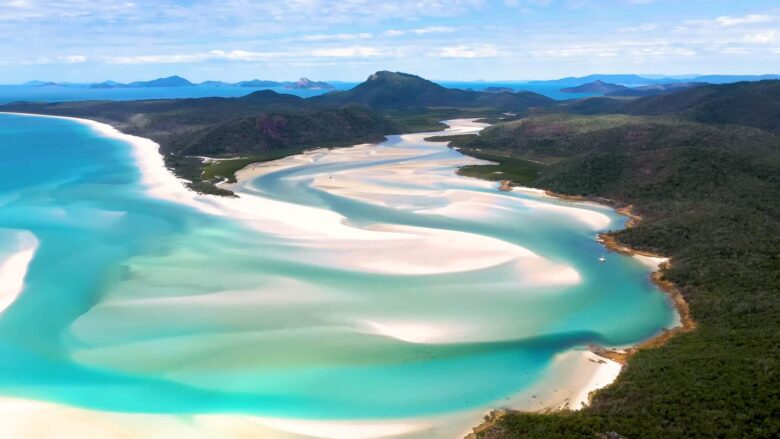
Australia makes more sense as a multi-city trip than a rushed attempt to cross the whole country. Sydney, Melbourne and Adelaide are already enough for food, nightlife and cultural attractions, with regional trips added around them.
Sydney provides the harbour, beaches and major performance venues. Melbourne puts more emphasis on neighbourhoods, restaurants, live music and bars. Adelaide runs at a smaller scale, with the Central Market and nearby wine regions making food and wine easier to build into a short stay.
Nightlife also extends well past the obvious city-centre clubs. Tourism Australia highlights hidden bars, rooftop venues, theatre and live music across its national nightlife guide.
There is also a specific 2027 reason for sports travellers to look at Australia. Sydney will host the Australian Tourism Exchange in 2027 as the country prepares for the Rugby World Cup that year, according to Tourism Australia.
11. Portugal
View this post on Instagram
Portugal gives travellers two very different city breaks without requiring much distance between them. Lisbon is larger, hillier and more spread out. Porto feels more compact and keeps the river, historic centre, restaurants and wine culture close together.
Lisbon evenings can begin with dinner in one neighbourhood and continue elsewhere without needing a formal nightlife plan. Bairro Alto, Cais do Sodré and parts of Príncipe Real attract different crowds and different types of venues.
Porto is better suited to slower days. The historic centre, Ribeira and the opposite bank in Vila Nova de Gaia give visitors enough to do without turning each day into a long transport schedule.
The official Portuguese tourism site also treats Lisbon and Porto nightlife as a major part of both city experiences, from traditional music venues to clubs and late bars.
Food remains relatively easy to approach without a complicated plan. Seafood, grilled fish, pastries, sandwiches and regional dishes appear across price ranges, and the two cities are easy to connect by train.
12. Georgia

Georgia gives travellers a compact trip with a large amount of regional character. Tbilisi provides the urban base, wine country sits within reach, and Batumi adds the Black Sea if the trip needs a coastal stop.
Tbilisi is especially suited to travellers who prefer evenings that move between dinner, wine bars and small venues rather than large entertainment districts. Old streets and courtyards sit alongside newer restaurants, galleries and bars in areas that have changed rapidly over the past decade.
Georgian food also gives the country an immediate identity. Khinkali, khachapuri, grilled meats, vegetable dishes and regional wines can fill several days without repeating the same meal.
Kakheti adds vineyards and smaller towns outside the capital. Batumi changes the setting completely with the Black Sea, a long waterfront and a busier summer night scene.
Final Thoughts
The most interesting country for 2027 is not automatically the one with the longest list of famous landmarks. A better road trip usually comes from places where you can spend the morning doing something historical, eat somewhere that could only belong to that region, and still have a reason to stay outside at midnight.
India can mean Ahmedabad night markets, Surat food and Chennai temples rather than the same Delhi and Agra route. Japan can move from Kyoto mornings to Osaka nights. Argentina can pair Buenos Aires with Mendoza, and Australia can combine major cities with wine regions and coast.
Pick the country where the ordinary parts of the day sound interesting too. Markets, neighbourhood restaurants, local bars, public squares and evening streets usually tell you far more about a place than another hurried photograph in front of its most famous attraction.