
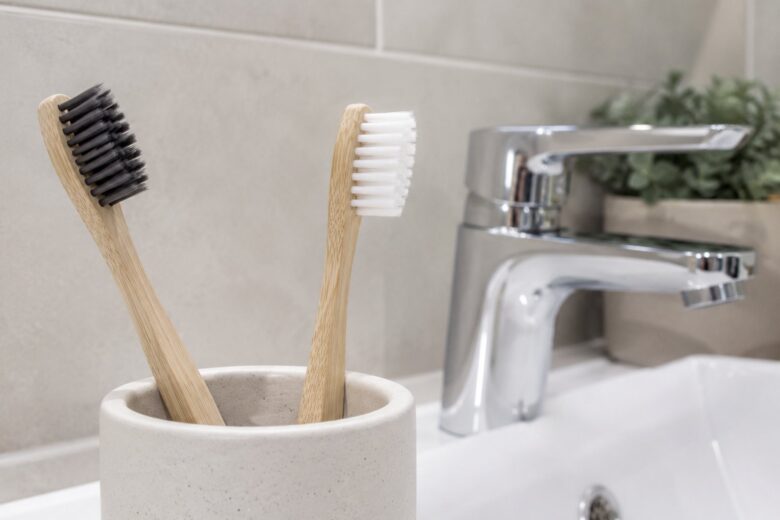
Good intentions can still lead to poor oral hygiene habits. Brushing harder, rinsing thoroughly, choosing fruit-based snacks, or cleaning your teeth right after a meal may sound beneficial, yet each habit can create problems when timing, technique, or frequency is off.
Small daily choices can affect enamel strength, gum health, sensitivity, and cavity risk.
Better oral care often depends less on doing more and more on doing the right things at the right time.
Here are seven habits that may look healthy at first but can work against your teeth and gums.
1. Brushing Harder Because You Want Cleaner Teeth
More pressure can make brushing feel more effective. Scrubbing aggressively may seem like an easy way to remove plaque, stains, or buildup faster.
Extra force, however, does not automatically produce cleaner teeth. Repeated aggressive brushing can irritate gum tissue and contribute to enamel wear.
Gum recession may also develop over time, exposing more sensitive areas near the tooth roots.
Firm toothbrush bristles can make those effects worse, especially when paired with forceful side-to-side scrubbing.
- a soft-bristled toothbrush
- light, controlled pressure
- small movements rather than aggressive scrubbing
- positioning the bristles toward the gumline so plaque can be cleaned gently around that area
Your toothbrush is a precision cleaning tool, not a scrub brush. Consistent technique matters more than force.
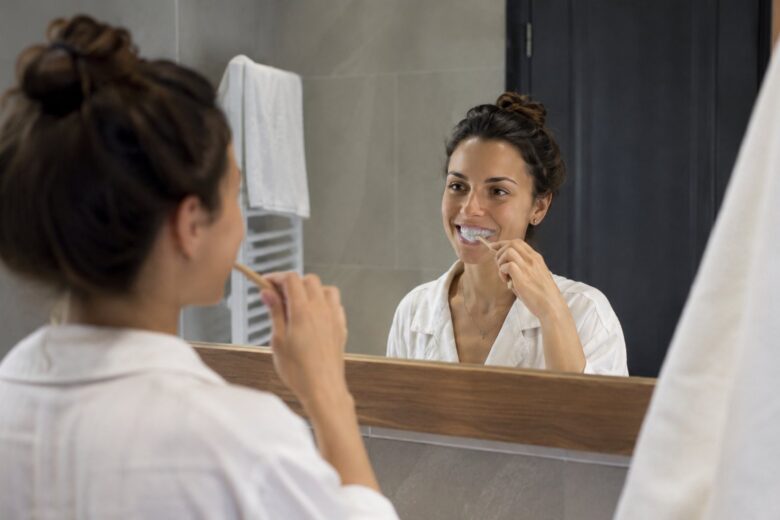
2. Rinsing Your Mouth With Water Immediately After Brushing
Rinsing several times after brushing can make your mouth feel especially clean. Many people consider it a natural final step after using toothpaste.
Fluoride toothpaste works partly by leaving fluoride in contact with tooth surfaces.
Thoroughly rinsing with water immediately after brushing can wash away much of that concentrated fluoride before it has had enough contact time.
Spitting out excess toothpaste without immediately rinsing allows more fluoride to stay on your teeth.
Avoid swallowing toothpaste, but do not feel that every trace needs to be washed out right after brushing.
Leaving a small amount of fluoride toothpaste on tooth surfaces can offer more protection than rinsing until no toothpaste is left.
3. Brushing Immediately After Eating or Drinking Something Acidic
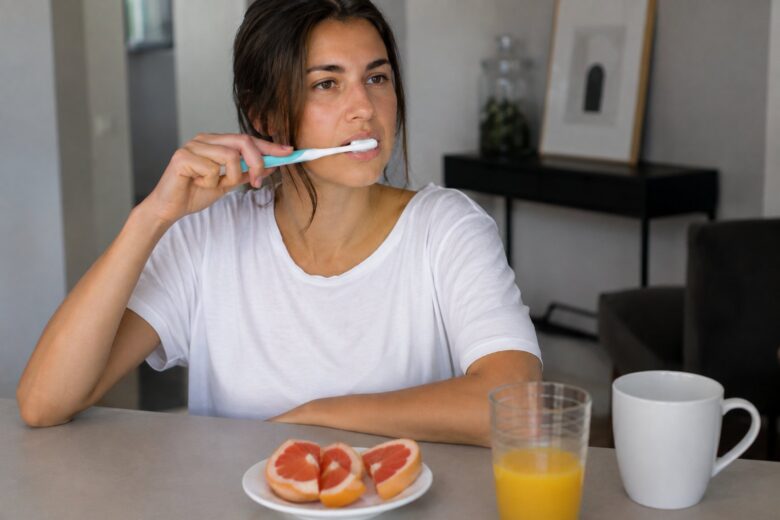
Cleaning your teeth immediately after coffee, citrus fruit, fruit juice, or another acidic food may feel proactive. People often brush quickly because they want to remove acids, stains, or food residue before damage occurs.
Acids temporarily soften the outer tooth surface. Brushing during that period can add mechanical friction while enamel is more vulnerable to wear.
If acidic foods, drinks, or brushing habits have already led to persistent sensitivity or tooth pain, Akutt Tannlege can assess the problem and determine if enamel wear or another dental issue needs treatment.
Common acidic foods and drinks include citrus fruits, fruit juices, many soft drinks, wine, and some sports drinks.
Plain water offers a better immediate response. Rinsing your mouth or drinking water helps clear some food residue and acidity without adding abrasive pressure.
Waiting before brushing gives saliva time to help neutralize acids and support the natural recovery of the tooth surface.
Cleaning sooner is not always cleaning better.
4. Drinking Smoothies and Fruit Juice All Day Because They Are “Healthy”
Smoothies and fruit juice are often associated with vitamins, fruit intake, and healthier eating. Nutritional benefits, however, do not make a drink harmless to teeth.
Fruit-based drinks can contain substantial amounts of natural sugar and acid. Both can contribute to dental problems when teeth are exposed repeatedly.
Frequency creates an important issue. Slowly sipping a smoothie or juice over several hours exposes enamel to repeated acidic and sugary conditions rather than limiting exposure to a shorter period.
Better habits include drinking these beverages with meals, consuming them in moderation, and having plain water afterward.
Using a drink as part of one meal creates a different oral environment than taking small sips throughout an entire morning or afternoon.
Something can fit into a nutritious diet and still require care when it comes to enamel.
5. Choosing Dried Fruit or Gummy Vitamins Instead of Candy
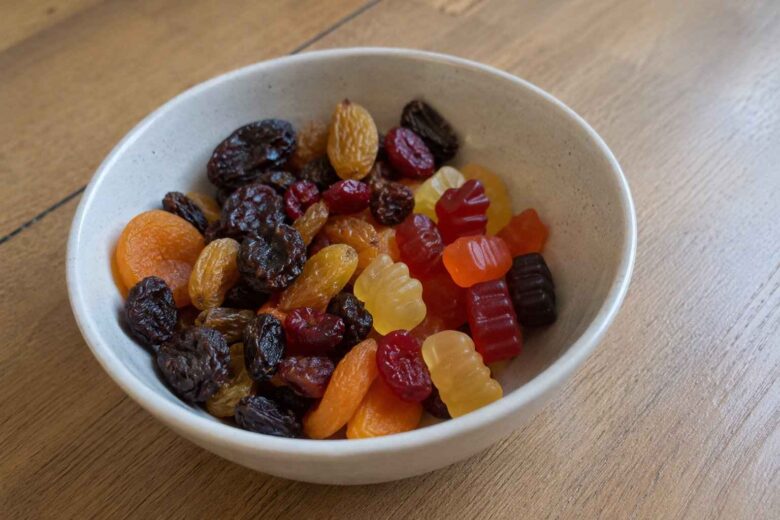
Dried fruit can seem like an obvious upgrade over candy because it starts as fruit. Gummy vitamins carry a similar health-focused image because they contain nutrients.
Teeth react to physical and chemical properties, not product labels.
Sticky foods can cling to grooves, chewing surfaces, and spaces between teeth. Dried fruit and gummy products may leave sugary residue attached to teeth longer than foods that clear out of the mouth more quickly.
Oral bacteria can use available sugars and produce acids associated with tooth decay.
Possible ways to lower exposure include choosing less-sticky alternatives when practical, drinking water afterward, and maintaining consistent brushing and interdental cleaning.
Raisins and vitamin gummies may look healthier than candy, but sugar, acidity, and stickiness still matter to your teeth.
6. Constantly Grazing on “Healthy” Snacks
Small snacks such as crackers, granola, fruit, and similar foods may appear harmless compared with candy or desserts. Frequency, however, plays a major role in cavity risk.
Bacteria in dental plaque use sugars and fermentable carbohydrates. Acid production increases after eating, temporarily creating conditions that can encourage mineral loss at the tooth surface.
Constant grazing can restart that process again and again throughout the day.
Spacing meals and snacks gives saliva more opportunity to neutralize acids and support normal mineral balance in the mouth.
Snack choices still matter, but eating frequency deserves attention too. Someone who consumes carbohydrate-rich foods every hour may expose teeth more often than someone eating similar foods during defined meals.
For oral health, how often you eat can matter alongside what you eat.
7. Chewing Ice Because It Is Sugar-Free
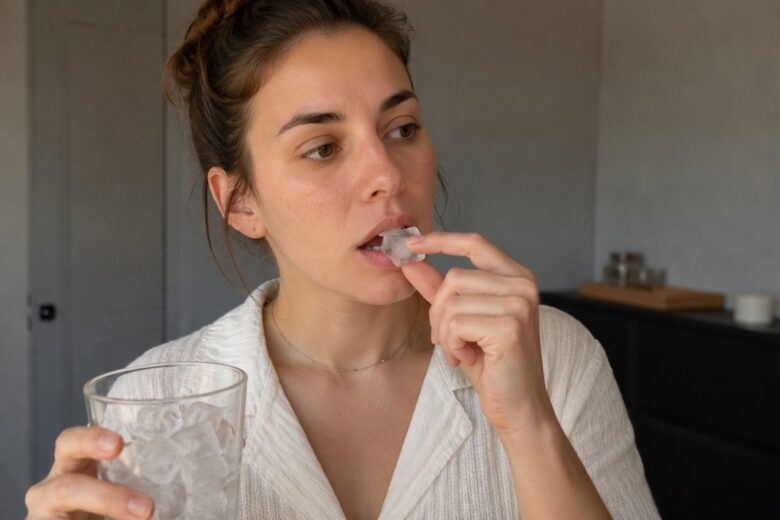
Ice contains no sugar and no calories, which can make chewing it seem completely harmless.
Hardness is the problem.
Repeatedly crunching ice places significant force on teeth. Small cracks, enamel damage, or chipped teeth can occur, particularly if a tooth already has a large filling, weakened enamel, or another structural problem.
Dental restorations may also be affected by repeated hard chewing.
Using ice to chill a drink is generally different than deliberately crunching hard cubes. Letting ice melt avoids unnecessary stress on your teeth.
Sugar-free does not mean tooth-safe.
FAQs
Summary
Good oral hygiene depends on technique, timing, and consistency rather than intensity.
Aggressive brushing can irritate gums. Immediate rinsing can reduce fluoride contact. Acidic foods can make brushing timing important. Sticky snacks, frequent grazing, and prolonged sipping can repeatedly expose teeth to conditions linked with decay and enamel wear.
A practical routine should focus on gentle brushing, fluoride toothpaste, daily cleaning between teeth, regular water intake, and fewer repeated sugar or acid exposures throughout the day.
Persistent tooth sensitivity, gum recession, bleeding, cracks, or other signs of damage deserve professional dental evaluation rather than more aggressive home cleaning.