

Morocco is a time-travelling adventure, with ancient medinas still living, grandiose mosques overlooking the sea, and city citadels reminiscing about ancient empires. The most astonishing cultural attractions on the planet can be found in this North African country, including 1,200-year-old universities that are still in operation, as well as blue-painted hilltop villages that look as though they were drawn on paper in a fairy tale.
Every street is demonstrating gorgeous tilework, every market is retaining old arts, and every monument is remembering the rich history of Morocco. Morocco travel packages enable travelers to discover these marvels and witness history in the making in the modern age.
The Ancient Medina of Fez
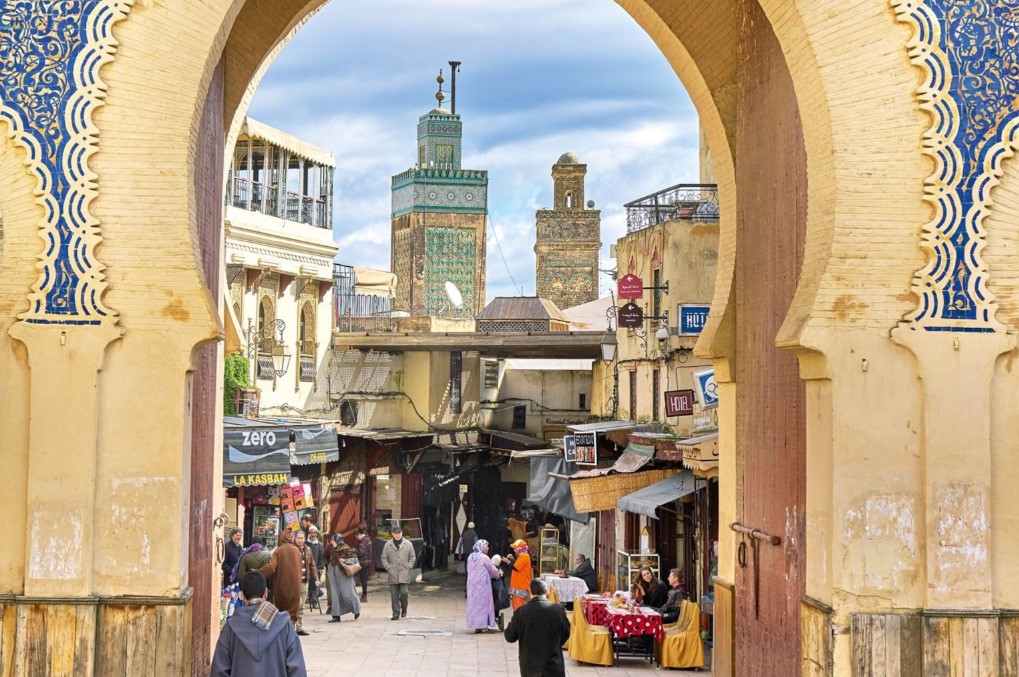
The medina of Fez ranks among the world’s largest car-free areas. This UNESCO World Heritage Site brings visitors into medieval life through its narrow lanes and traditional lifestyle. The city’s soul lies in its maze-like streets, where artisans continue crafts passed down through families. Amidst the medina looms Al Quaraouiyine University, established in 859 AD, the world’s oldest still operating university.
The renowned leather tanneries of Fes provide another view of tradition, as workers color leather in stone vats brimming with natural dyes. Blue doors, carved gates, and intricate tile work characterize the medina’s beauty. Every corner uncovers more of Morocco’s craftsmanship, from wooden balconies to mosaic fountains adorning courtyards and houses.
Hassan II Mosque in Casablanca
Conceived on a rocky promontory overlooking the Atlantic, the Hassan II Mosque ascends with a 210-meter minaret standing tall above the city. It ranks among the largest mosques worldwide and is one of the few in Morocco open to non-Muslim visitors. Thousands of craftsmen created its beauty through years of work. Inside, plaster carvings, marble walls, copper lamps, and painted ceilings display Moroccan skill.
The prayer hall accommodates 25,000 of the worshipers, and the huge court can accommodate 80,000 others. The only special thing about the mosque is its location and the way it has been constructed. Glass doors provide the congregation with a view down at the sea below, and a canopy can be closed to the sky, which provides an integration of earth, sea, and heaven in a single place of worship.
The Royal City of Marrakech
Marrakech is full of life and colour. Jemaa el-Fnaa Square is at its heart, filled with storytellers, musicians, and food vendors. This is a centuries-old square that has become the cultural hub of Morocco, and which is listed on UNESCO. On the edge of the work of art is the Bahia Palace, a 19th-century work of art. Its courtyards and halls are glowing with geometric tiles and sculpted stucco, which characterize the style of Morocco. The palace is well-named as Bahia, which translates to brilliance.
Jardin Majorelle offers peace of mind in urban lifestyles. This garden is an unusual vegetation with cobalt structures that are colorful and was once owned by Yves Saint Laurent. It provides peace and a shadow to think over. When you explore with Morocco tour packages, you can also marvel at the Koutoubia Mosque, Marrakech’s 12th-century monument. Though non-Muslims cannot enter, its tall minaret and surrounding gardens remain a symbol of the city.
Ait Ben Haddou Kasbah
Between the Sahara and Marrakech, Ait Ben Haddou stands as a striking desert fortress. Built from red clay and shaped by hand, it shows pre-Saharan architecture at its best. This UNESCO site has appeared in many famous films. Mud-brick homes crowd within high walls, forming a dramatic outline against the desert hills.
Some families continue to reside here, preserving ancient traditions. The rocky mountain to the summit provides expansive scenery of the valley and river below. Kasbah demonstrates the way the people made use of local materials to build cool and strong houses that would suit the desert climate.
The Blue City of Chefchaouen
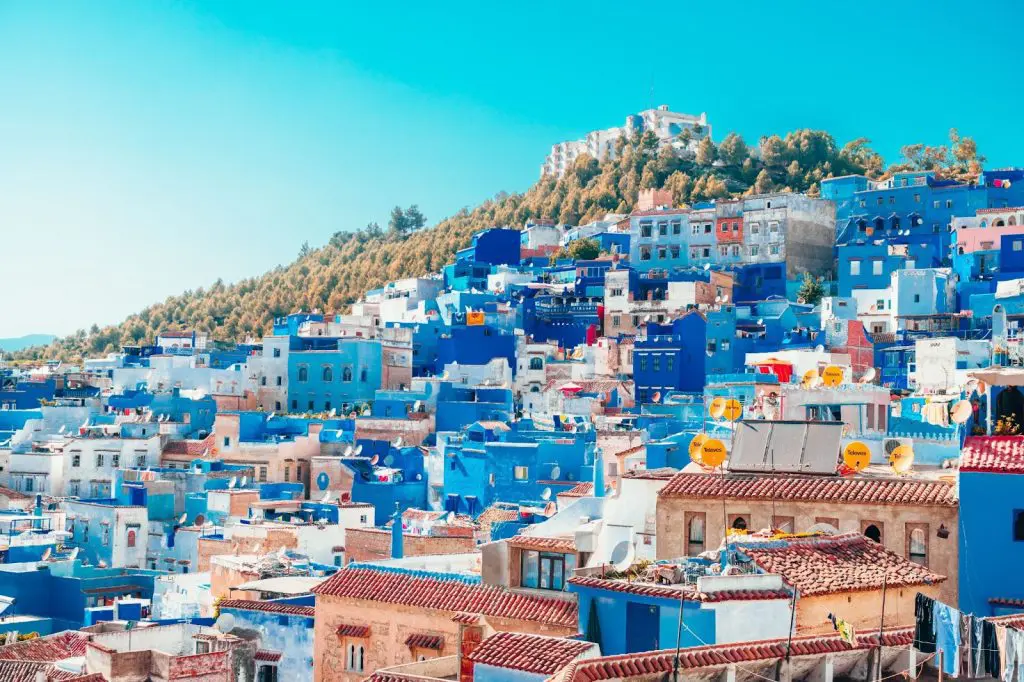
Set in the Rif Mountains, Chefchaouen shines in shades of blue. Every street glows with colors from sky to ocean tones, creating a calm and dreamlike scene. Its small medina moves at a slow pace, with artisans selling woven fabrics, pottery, and leather goods. Spanish and Moorish designs blend in white walls and arched doors, giving the town its charm.
In the main square stands a simple Kasbah with a museum and garden. From its tower, tourists can see the slopes of the mountain and blue roofs below—a serene scene far from the sounds of the city.
Volubilis Roman Ruins
Volubilis remains Morocco’s best-kept Roman site and a window into life two thousand years ago. Built in the 3rd century BC, it later grew into a major city of the Roman Empire in North Africa. Floors have mosaics still bright with colour, of the scenes of ancient legend. The Triumphal Arch and Basilica are on the ruins, as reminders of the power of the city.
Taking a walk on the pavements made of stone, tourists can imagine merchants and citizens who lived in this place. Volubilis demonstrates that the history of Morocco began many years ago, even before the Arab or Berber conquests, and relates the nation to many layers of history.
The Coastal Charm of Essaouira
Essaouira blends history, art, and sea air. Its white and blue houses sit within stone walls that face the Atlantic. Portuguese and Berber designs mix in the town’s buildings and towers. The busy port supplies the markets with fresh fish every day. The town itself has become a residence for artists and musicians alike, with galleries and shops along the narrow streets.
During summer, the Gnaoua World Music Festival fills Essaouira with music from all over Africa and even farther afield. The sandy beach runs along the coast for miles, perfect for strolling or water sports. Consistent Atlantic winds draw windsurfers and kitesurfers from across the globe.
Planning Your Cultural Journey
These wonders are only some of Morocco’s rich cultural heritage. Each of these sites has a story to tell from the Roman era to Islamic art and desert cultures. Morocco vacation packages enable visitors to connect these destinations into a comprehensive route while giving time to fully experience each location. The peak travel times are spring and autumn when temperatures remain mild.
Summer brings heat in the desert, while winter adds crisp air and clear light to the northern cities. Each season shows a different side of Morocco’s beauty. Morocco’s culture continues to thrive beside modern growth. These landmarks remain part of daily life, not just relics of the past. A visit to Morocco is more than sightseeing—it is a chance to meet a living culture that connects history, art, and the human spirit in every step.

Anita is a staff writer and content editor at TheFrisky.