

As a woman in a serious relationship, I do not think pornography can be judged by one rule that applies to every couple.
Watching it alone may look like a private act, but it can still affect trust, intimacy, commitment, and sexual expectations between partners.
Some people define cheating as physical sexual contact or an emotional relationship with another person. Others include hidden sexual behavior that violates an expectation of exclusivity.
No single definition fits every relationship. Shared agreements, personal values, religious beliefs, secrecy, frequency, interaction, and emotional consequences all matter.
I would not automatically call solitary pornography use cheating.
I would consider it a form of infidelity when it breaks an agreed boundary, involves deception, redirects sexual attention away from the relationship, becomes interactive, or damages trust and intimacy.
How Watching Porn Alone Can Be Cheating
My concern would not depend only on physical contact. I would also look at exclusivity, honesty, interaction, and the effect the behavior has on our relationship.
It May Violate Sexual Exclusivity
Accidental exposure differs from intentionally seeking sexual material for arousal, often with masturbation.
I may define sexual exclusivity as more than avoiding physical contact. If my partner repeatedly directs sexual attention toward other women, I may feel that an important part of our commitment has been violated.
Christian interpretations may classify pornography as mental or emotional adultery. Matthew 5:27 and 5:28 connect lustful intent with adultery of the heart, although mental and physical adultery do not have identical consequences.
Digital Distance Does Not Remove Other People
A screen creates physical distance, but real people still appear in pornography and create it for sexual consumption.
One moral comparison presents the following progression:
- Having sex with a sex worker.
- Watching a sex worker in person while masturbating.
- Interacting through live video.
- Watching a recording.
- Paying for recorded content.
- Consuming similar material through the pornography industry.
Distance increases at each stage, but another person’s body continues to provide sexual gratification.
I also recognize that prerecorded pornography lacks personal communication, mutual recognition, and an ongoing relationship. Calling it interaction with a “digital prostitute” is a moral analogy rather than a neutral description.
Still, I may not see the behavior as entirely impersonal simply because it happens through a screen.
Secrecy and Deception Can Create Betrayal
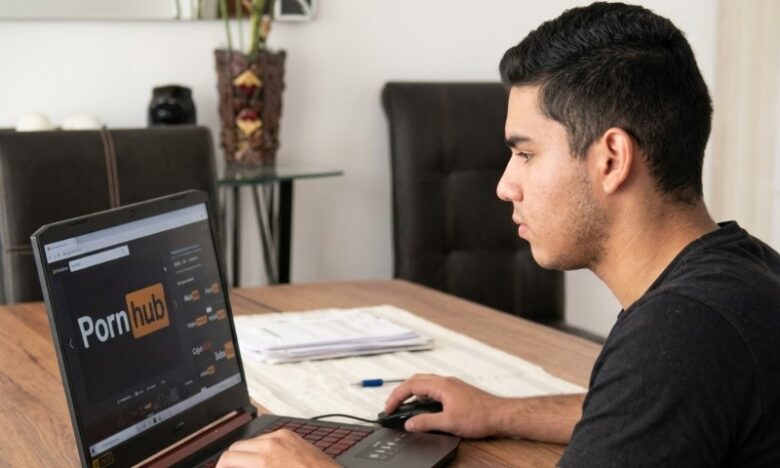
I may be more hurt by the dishonesty than by the pornography itself.
Deleted histories, hidden accounts, concealed payments, and lies about frequency can create a separate breach of trust.
Staggered disclosure can make the experience more painful:
- My partner admits only a small part of the behavior.
- Later discoveries reveal more extensive use.
- Earlier explanations prove false.
- Promises to stop are followed by new discoveries.
- Each disclosure reopens the original injury.
Some relationship organizations claim that repeated discoveries can contribute to symptoms associated with post-traumatic stress disorder.
Limited study details mean that claim should be treated cautiously.
Discovering pornography use may affect how I see my body and my place in the relationship. I may experience several reactions: Such feelings may become stronger when pornography was never discussed. My partner may consider it harmless, while I may have assumed that monogamy excluded it. His intention may not be to hurt me, but intention does not cancel the emotional impact. Trust depends on shared expectations and truthful information. Pornography would concern me most if it started replacing sexual or emotional connection between us. Repeated use may create several changes: Dopamine and oxytocin are involved in arousal and orgasm. Repeated use can strengthen the association between pornography, stimulation, relief, and reward. I can also recognize that solitary pornography use does not always have the same features as a physical or emotional affair. Prerecorded pornography usually involves several important differences: Performers normally do not know who the viewer is. No reciprocal affection, shared plans, or personal bond develops. Pornography may therefore be classified as fantasy or private sexual behavior rather than interpersonal infidelity. Some couples accept independent pornography use. Others watch it together. Non-monogamous couples may also permit it while restricting direct sexual contact. Calling all pornography use cheating may cause several problems: Both positions can be valid when partners discuss them honestly. Being in a relationship does not automatically remove fantasy, masturbation, sexual thoughts, time alone, or bodily autonomy. I may accept pornography within my relationship when it is: Some couples who watch pornography together report more open communication about sexual interests and stronger sexual closeness. Private sexuality can exist alongside commitment when both people genuinely accept it and no agreement is broken. I would not place passive viewing in the same category as personalized or interactive sexual activity. A useful spectrum includes: Customized videos, direct messages, live-camera interaction, and repeated contact with one performer create stronger interpersonal involvement. As recognition and communication increase, I would be more likely to consider the behavior cheating. My judgment would depend heavily on how often the behavior occurs, how much is hidden, and how it affects our relationship. Concealment may show that my partner already suspects the behavior conflicts with my boundaries. I would ask several questions: A disagreement about pornography may be manageable. Repeated lying creates a separate trust problem. Occasional use and persistent disruptive use can have very different effects. Warning signs may include: Frequency alone does not define cheating. One incident may break a clear agreement, while regular use may be accepted in another relationship. I would not assume that my partner and I share the same beliefs about pornography. A direct conversation is necessary if we want to avoid hidden expectations and later resentment. Our conversation should define what faithfulness means to both of us. Useful questions include: Both of us should listen to understand rather than only defend our own position. A general rule may not be enough because different activities involve different levels of participation. We may need to discuss: Specific agreements reduce the chance that we will interpret the same rule differently. Watching pornography alone is not automatically cheating. It is more likely to qualify as infidelity when a couple has prohibited it, the viewer lies about it, personalized interaction occurs, shared intimacy is displaced, or ongoing harm is ignored. It is less likely to qualify as cheating when both partners knowingly accept it, use is noninteractive, no deception occurs, and intimacy and responsibilities are not harmed. Faithfulness in a serious relationship involves honesty, trust, sexual expectations, consent, and respect for agreed boundaries.It Can Harm Trust and Self-Esteem
It May Replace Intimacy
Why Watching Porn Alone Is Not Necessarily Cheating

No Physical or Mutual Relationship Exists
Couples Define Exclusivity Differently
Private Sexuality Can Exist Within Commitment

Not All Pornography-Related Behaviors Are Equal
Secrecy, Frequency, and Consequences

Secrecy
Frequency and Compulsive Behavior
Communication and Mutually Agreed Boundaries
We Should Discuss Pornography Directly
Specific Boundaries May Be Necessary
Summary