

For many people, bingo is instantly associated with numbered balls, dabbers, and the thrill of marking off a full card. But beneath that familiar surface lies something much deeper, and far more meaningful. Bingo has always been more than a game of chance; it’s a social ritual, a community builder, and a shared experience that brings people together across generations, backgrounds, and lifestyles.
In an age where digital communication dominates and face-to-face interaction can feel increasingly rare, the social side of bingo has taken on a new kind of importance. Whether played in bustling halls, community centres, workplaces, or virtual rooms filled with webcams and chat boxes, bingo creates pockets of connection that go far beyond the numbers called.
The Social Importance of Bingo in a Digital Age
Bingo has long held a place in British and global culture as a communal pastime. Historically, it wasn’t simply a game, it was a weekly outing, a chance for people to meet up, chat, unwind, and feel part of something shared. Bingo halls became social hubs where friendships formed over cups of tea, laughter echoed between tables, and everyone knew everyone else’s favourite seat.
Even today, that sense of community remains central. Whether in local clubs or charity events, bingo’s structure naturally encourages interaction. People arrive early to catch up, settle into routines, exchange lucky charms, and share stories before the first number is called. It creates a rhythm that feels familiar, comforting, and inclusive.
Unlike many games where focus and strategy take precedence, bingo leaves plenty of room for talking. Players aren’t locked into intense concentration or complicated rules; instead, they can chat freely between numbers, celebrate small wins, and enjoy the light-hearted banter that fills the room.
That relaxed pace gives the game a welcoming atmosphere. There’s no pressure, no requirement to be an expert, and no barrier to entry. Everyone participates on equal footing, which makes the environment especially friendly for newcomers or people who might feel shy in other social settings.
The Rise of Modern Social Bingo Events
Over the last few years, the concept of “social bingo” has exploded in popularity. Modern event organisers have reinvented the traditional format, blending bingo with themed nights, comedy hosting, music, dancing, and group activities. Some venues introduce immersive lighting, interactive hosts, and playful twists on classic number calls, transforming the game into a full-scale entertainment experience.
These events attract all kinds of audiences, from groups of friends planning nights out to colleagues attending team-building sessions. Birthday celebrations, hen parties, and corporate socials have all embraced the format.
What makes these gatherings so appealing is the shared sense of fun. People cheer each other on, laugh at the playful chaos of the calls, and engage with the entertainment around them. Rather than sitting quietly with a card, players are encouraged to participate, move around, and celebrate together, creating memorable moments that feel more like a party than a traditional game night.
Online Bingo and Digital Community Building
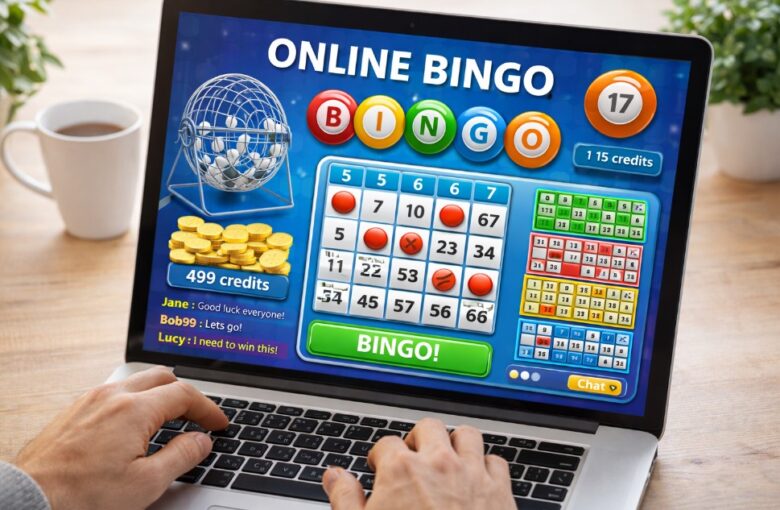
Interestingly, even the digital versions of bingo have sparked vibrant social communities. Many newcomers search for how to play online bingo, but they quickly discover that it’s not just about the numbers, it’s also about the conversations, the laughter in chat rooms, and the friendships that form around the game. While some online games are solitary, bingo has evolved very differently. Most platforms include live chat, moderating hosts, themed rooms, virtual meetups, and interactive features designed to replicate the social warmth of in-person play.
People who join online bingo communities often talk about the friendships they form, the regulars they look forward to seeing, and the comfort of logging into a room where the chat flows just as naturally as it would at a hall. For many, especially those who work from home or live alone, the digital bingo community fills a valuable social gap, offering connection without the need to travel.
A Low-Pressure Way to Connect and Unwind
In a world full of busy schedules and digital overload, bingo offers something refreshing, low-pressure social time. You don’t need to practise, train, or learn complex rules. There’s no judgment, no ranking system, and no expectation to perform. You simply show up, join in, and enjoy the moment.
That simplicity helps people relax almost immediately. Conversations flow easily, laughter comes naturally, and the focus stays on enjoyment rather than outcomes. That’s one reason many workplaces and social clubs have introduced bingo nights to help people unwind. It creates a shared experience that’s simple, soothing, and light-hearted, perfect for team bonding or casual meetups that don’t feel forced or competitive.
Inclusivity and Cross-Generational Appeal
One of bingo’s most powerful strengths is its inclusivity. Different ages, personalities, and backgrounds effortlessly blend into the same room. Extroverts thrive in the lively environment, while quieter people appreciate the gentle structure and relaxed pace. Newcomers feel welcome, regulars feel at home, and everyone has an equal chance to win.
Bingo encourages us to slow down, be present, and interact with others in a meaningful way. It creates communities and memorable nights that have little to do with luck or numbers and everything to do with human connection. Whether played in buzzing halls, cosy community centres, or lively online rooms, bingo remains one of the most social games ever created. It brings people together, builds friendships, strengthens communities, and reminds us that sometimes the simplest experiences are the ones that connect us most.
Long after the numbers fade, it’s the laughter, conversations, and shared moments that stay with us.