

Allergy season doesn’t have to mean waking up feeling like a zombie. Making your bedroom comfortable is all about creating a zone where pollen, dust mites, and pet dander can’t reach your bed or your lungs.
Since pollen seasons are getting longer and starting earlier, getting your sleep space under control is essential if you want to avoid waking up congested, itchy, or just plain exhausted.
The secret sauce is a mix of simple habits: shut those windows, keep your bedding fresh, and invest in allergen-proof covers. Add some HEPA filtration and a strict “no pollen in the bed” policy, and you’re halfway there. A quick pre-sleep shower and a weekly sheet wash make a massive difference in how you feel when the sun comes up.
Real bedroom comfort isn’t about buying one magic gadget. It’s a layered system: block the outdoor stuff, minimize the indoor dust reservoirs, clean without kicking up a storm, and keep the air dry enough that dust mites and mold don’t want to move in.
Why Allergy Season Can Ruin Sleep
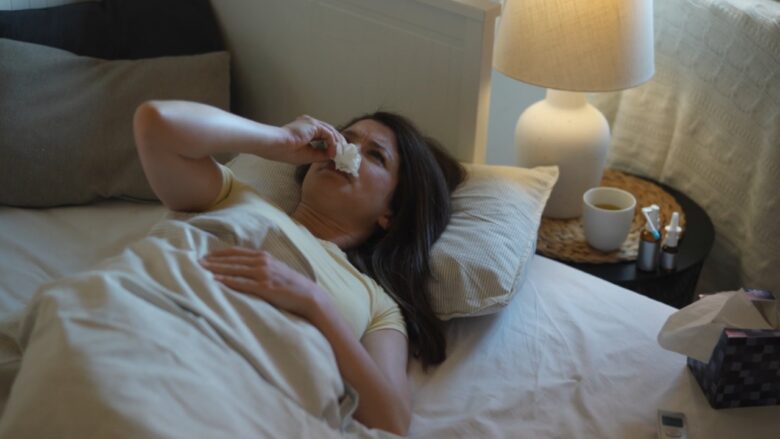
When your nose is inflamed, breathing becomes a chore, and that’s a total sleep killer. Congestion, postnasal drip, and itchy eyes can pull you out of deep sleep cycles, leaving you feeling totally drained the next day.
Your bedroom is the primary exposure zone because you’re face-to-face with pillows and sheets for hours. The American Academy of Allergy emphasizes that dust mite control is vital here, recommending that you use encasements for mattresses and pillows and keep your bedding washes on a strict weekly rotation with hot water.
It’s not just your imagination; allergy seasons are actually getting longer. Research from the National Institute of Environmental Health Sciences shows pollen seasons lengthened significantly in many areas recently, with more pollen in the air than ever before.
Climate Central’s 2026 allergy season analysis points to warmer conditions as the culprit for earlier blooms and extended exposure windows.
The Bedroom Allergy Control Plan
To really win, you need to tackle four areas at once: entry, bedding, air, and moisture. One change is a good start, but stacking these tactics is the best way to handle how allergens settle into your space.
The Challenge The Smart Fix The Payoff Pollen drifting in Shut the windows and lean on the AC Keeps the outdoor stuff outside Dust mite build-up Allergen-proof covers and hot weekly washes Drastically reduces face-level exposure Pet dander on your bed Keep pets off the sheets (and ideally the room) Stops allergens from hitching a ride on fur Floating particles Set up a properly sized HEPA air purifier Sucks fine particles out of your breathing zone Mold and mite growth Aim for 30–50% humidity Creates an environment they hate
Stop Pollen at the Door
The Golden Rule: Don’t bring the outside into your bed. Pollen sticks to everything – your hair, your clothes, even your dog. Once it’s on your pillow, you’re basically inhaling it all night long.
The Asthma and Allergy Foundation of America suggests a simple routine: kick off your shoes at the door, shower before you hit the hay, and use filtration to keep indoor airborne allergens low.
The AAAAI also says keeping windows shut and showering after being outside are non-negotiable for serious relief.
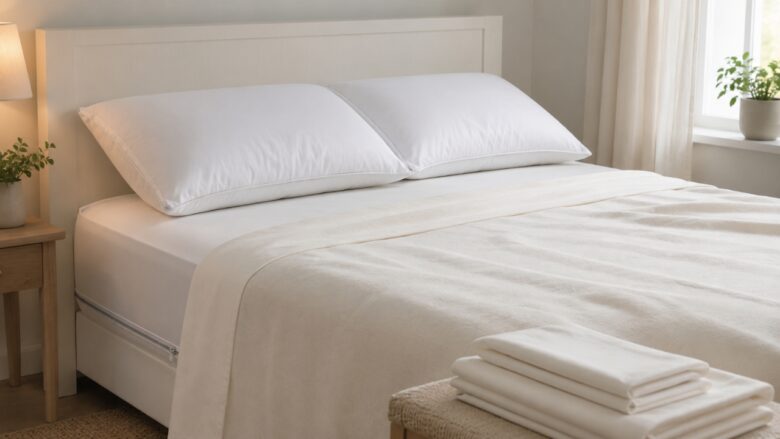
Sun-dried sheets might feel nostalgic, but during peak season, they’re just pollen magnets. Stick to the dryer until things calm down outside. The bed is your inner sanctum; prioritize it. Focus on the core pieces like pillows and sheets before you worry about the fancy decor. The AAAAI recommends using allergen-proof covers for everything and sticking to a weekly wash at 130°F. If scalding is a concern, just use your hottest safe setting and make sure everything is bone-dry before putting it back on. While feathers are cozy, they aren’t great for allergies. An older CDC resource suggests shifting to synthetic materials because they can survive the frequent hot-water washes you’ll need to keep things clean. Cleaning for allergies is different from just tidying up. Dry dusting is a no-go because it just launches particles into the air. The EPA points out that activities like sweeping and vacuuming can stir up indoor dust, which is often a cocktail of pollen, dander, and mold. Damp cleaning is your best friend. Use a wet microfiber cloth for nightstands and sills, and make sure your vacuum has a HEPA filter. If your symptoms are brutal, swapping wall-to-wall carpet for hard flooring and a washable rug is a game-changer. Don’t forget the hidden spots like under the bed or your curtains. For kids’ rooms, keep the stuffed animal collection small and wash them as often as the bedding. A portable air cleaner is a solid investment if you pick the right size. A portable air cleaner is a solid investment if you pick the right size, and choosing an air purifier with suitable room coverage matters more than buying the most expensive model. The EPA’s 2026 guide notes that HEPA units consistently help with allergy symptoms across multiple studies. Just make sure you check the EPA’s air cleaner guide to match the unit to your specific room size. Place the unit where it can actually breathe—don’t hide it behind a chair. Run it with the door shut while you sleep, and definitely avoid anything that generates ozone, as that can actually irritate your airways. If you have central air, use a filter that balances filtration with system health. Check it more often during heavy pollen surges to keep your air fresh. ✅ Lower indoor humidity. The goal is to keep humidity below 45 percent, but below 35 percent is better. — OAAC (@okallergyasthma) June 18, 2026 Balance is key. Dust mites and mold love damp air, so the EPA suggests keeping humidity between 30 and 50 percent for dust mite control. Their mold guidance is clear: moisture control is the best way to stop allergic reactions before they start. Pick up a cheap digital hygrometer to stop guessing. If you’re over 50%, turn on the AC or a dehumidifier. If the air is too dry, your throat might feel scratchy, but don’t over-moisturize or you’ll invite the mold back in. Check your walls and closets for any damp spots too. The EPA’s moisture guide reminds us that keeping things dry is the best way to stop mold from taking over. Control is great, but your room still needs to be cozy. Keep it cool, dark, and quiet. Heat usually makes congestion feel worse, so aim for a chill temperature. Layer your bedding with breathable materials instead of one heavy duvet. Elevate your head slightly if you’re dealing with drip, and keep your essentials close. Skip the scented candles and harsh sprays – fragrances are often hidden triggers. We love our pets, but they’re allergen magnets. Your sleep will thank you if you keep them off your pillows. If things are really bad, try keeping them out of the room entirely during the night. These changes help, but they aren’t a substitute for medical advice. If you’re wheezing or still can’t sleep despite your best efforts, it’s time to chat with an allergist. From nasal sprays to immunotherapy, there are plenty of options to help you breathe easier. Just make sure to get a personal recommendation, especially if you have other health conditions to consider. Building a better allergy-season bedroom is about three things: the bed, the air, and the door. Keep the pollen out, wash your gear, and use HEPA filtration to keep your breathing zone clean. You don’t need a sterile hospital room, just a space where you can breathe for eight hours. As pollen seasons stay longer in 2026, a solid prevention routine is the most practical way to protect your rest and your health.Upgrade Bedding Without Overbuying
Clean Smarter, Not Harder
Use Air Filtration Wisely
Keep Humidity Low Enough, But Not Desert-Dry
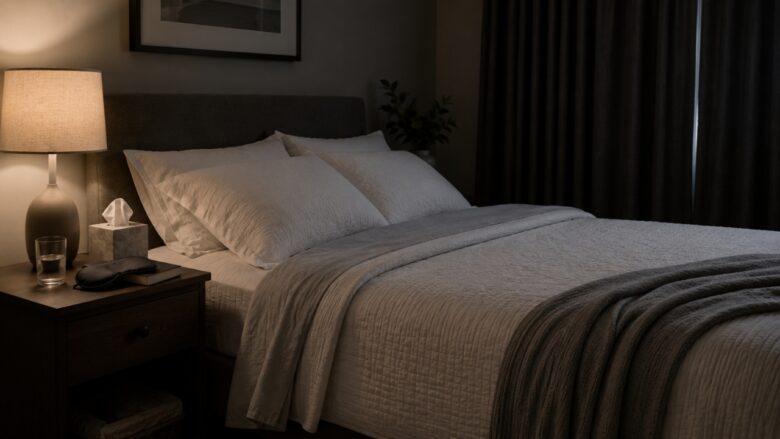
✅For those who use humidifiers, the fluid reservoir should be cleaned at least twice a week to prevent mold growth.The Reading The Situation The Move Under 30% Too dry for comfort Add moisture carefully and track it 30% to 50% The Goldilocks zone Keep it up with ventilation/AC Over 50% Mite and mold alert Dehumidify and check for leaks Make The Bedroom Easier To Sleep In
When You Need a Pro
Wrapping Up