
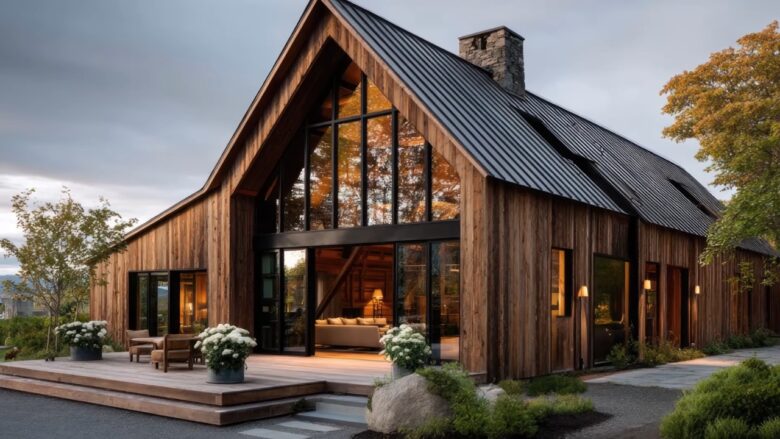
Quiet luxury is reshaping what affluent buyers expect when shopping for a high-end home.
Flashy finishes, oversized rooms, and recognizable status symbols are losing some of their importance as buyers place greater value on privacy, craftsmanship, comfort, and thoughtful design.
Market activity supports that shift. High-end property transactions outpaced the broader housing market during 2025:
Affluent buyers are still purchasing property, but many are becoming more selective about what deserves a premium price. Luxury today is increasingly measured by daily experience rather than sheer scale. Buyers want homes that feel calm, function well, require less unnecessary upkeep, and offer qualities that can protect long-term value. Natural stone, quality wood, custom millwork, balanced proportions, and carefully executed details are becoming stronger signals of high-end design. Attention is moving toward materials and craftsmanship that feel substantial without demanding attention. Privacy also carries greater weight. Gated access, mature landscaping, larger lots, quieter settings, controlled sightlines, and well-planned outdoor areas can matter as much as expensive decorative features. Some industry professionals describe the trend as invisible luxury. Developments such as Amberwood at Holland show how that preference can translate into residential design, with lower-density living, larger homes, greenery, and greater privacy taking priority over visual excess. Value is found in elements a buyer experiences during everyday life, including abundant natural light, authentic materials, acoustic comfort, discreet technology, private outdoor areas, and systems that work without becoming visual distractions. Comfort is also becoming more sophisticated. Smart-home systems, climate control, lighting, security, and audio can add substantial value when installed discreetly. Buyers often want technology to simplify daily life without making a property feel overly automated or visually complicated. Affluent households are increasingly willing to look outside famous neighborhoods when another area provides better access to: One Manhattan family illustrates that shift. A budget of $10 million initially put Sagaponack or East Hampton within reach. Instead, the family purchased a $4 million fixer-upper outside Sag Harbor because the property better supported how they wanted to spend time with family and friends. Price alone was not determining luxury in that decision. Usability, social space, and quality of life carried greater importance than owning a property in the most recognizable location available within the budget. Lower-maintenance living is gaining attention as well. Bethenny Frankel moved away from a Hamptons lifestyle involving a $5.5 million farmhouse and a seven-bedroom mansion and chose an amenity-focused waterfront condo in Miami. Such a move points to growing interest in convenience, services, security, and fewer property-management responsibilities. Similar priorities are visible in other high-end property markets. In Singapore, Lucerne Grand combines homes with direct access to Lakeside MRT, nearby green spaces, and planned commercial amenities. Its appeal reflects the growing value buyers place on convenient transport, everyday services, and access to recreation rather than visual extravagance alone. Some buyers can also cut a substantial location premium without giving up access to sought-after coastal lifestyles. Status has not disappeared as a consideration. Instead, more buyers appear willing to decide for themselves which features justify spending heavily. Move-in-ready condition has become one of the clearest advantages in the luxury market. Affluent buyers often have enough purchasing power to renovate, but financial ability does not always translate into willingness to manage a lengthy construction project. Such results suggest buyers are assigning monetary value to certainty. A finished home allows an owner to move in quickly, reduces exposure to construction delays, and eliminates many decisions involving contractors, materials, permitting, and design. Quality is also visible in broader pricing trends. Median prices for detached luxury homes increased 3% compared with 2024 and 9.3% compared with 2023. Size still matters in many high-end transactions, but square footage alone is no longer enough to justify a premium. A smaller residence with superior materials, better proportions, stronger privacy, and thoughtful planning can compete effectively against a larger property that needs extensive work. Maintenance quality matters for similar reasons. Buyers paying several million dollars may expect mechanical systems, roofing, kitchens, bathrooms, outdoor spaces, and finishes to perform at a level consistent with the purchase price. Greater inventory is giving affluent buyers more room to compare properties before committing. Luxury single-family inventory increased 14% year over year in 2025 and sat nearly 32% above 2023 levels. More choice changes negotiating dynamics. Buyers can reject properties that feel dated, excessively customized, poorly maintained, or overpriced and continue searching for homes that better match their priorities. Financing also affects behavior differently at higher price points. Many luxury transactions involve substantial cash or equity, making wealthy buyers less dependent on mortgage-rate movements than typical homebuyers. Financial flexibility can give them more time to wait for the right property instead of compromising quickly. Real estate is also playing a larger role in long-term wealth allocation. Global dollar investment in real estate by wealthy individuals has increased nearly 30% since 2020. High-end property can function as a residence, lifestyle purchase, store of value, and portfolio asset at the same time. Such gaps can give buyers more room to secure additional space, invest in better interiors, or keep more capital available for other purposes. Quiet luxury fits naturally into that calculation. Spending becomes centered on features that improve ownership rather than features intended mainly to signal wealth. Affluent buyers are not abandoning luxury. Their definition of it is changing. Privacy can carry more value than visibility. Exceptional craftsmanship can matter more than ornate finishes. A manageable residence in the right setting can be preferable to a sprawling estate that requires constant attention. Turnkey condition has become particularly valuable because it combines quality with convenience. Premiums of 11% to 30% for move-in-ready luxury homes show that many buyers are willing to pay significantly more to avoid major renovation work. Location preferences are changing at the same time. Buyers willing to consider less famous communities can access similar recreational, social, and lifestyle advantages while avoiding part of the price attached to prestige. Quiet luxury ultimately centers on experience. High-end buyers increasingly want homes that feel private, comfortable, carefully made, easy to live in, and financially sensible over time. Conspicuous consumption may still have a place in luxury real estate, but subtler priorities are gaining ground. Quality, convenience, privacy, adaptability, and lasting value are becoming stronger measures of what makes a home feel truly luxurious. Quiet luxury marks a clear change in how affluent buyers define a high-end home. Prestige addresses, excessive square footage, and highly visible displays of wealth are giving way to privacy, craftsmanship, convenience, and thoughtful design. Current market data supports that direction. Move-in-ready homes can command premiums of 11% to 30%, while properties requiring major redesign are among the hardest luxury homes to sell. Buyers are also looking at less obvious locations where comparable lifestyles can come at significantly lower prices. For many high-end buyers, luxury now means owning a home that feels comfortable, works effortlessly, requires less compromise, and protects value over time.What Quiet Luxury Looks Like in Real Estate
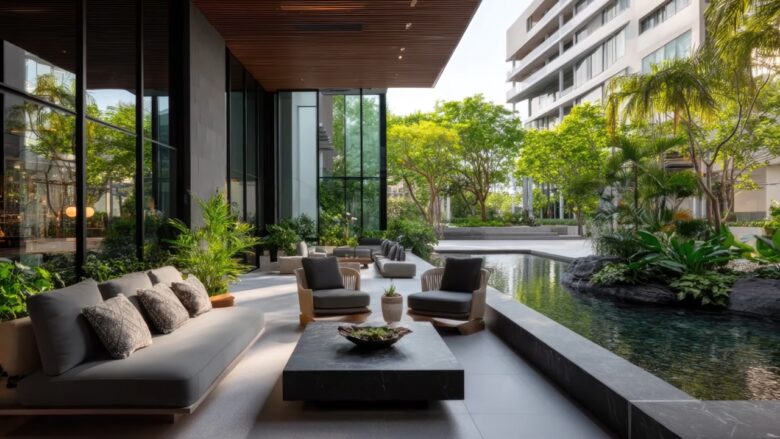
Buyers Are Prioritizing Lifestyle Over Status
Prestigious addresses still carry value, but location decisions are becoming more personal.Quality Is Becoming More Important Than Excess
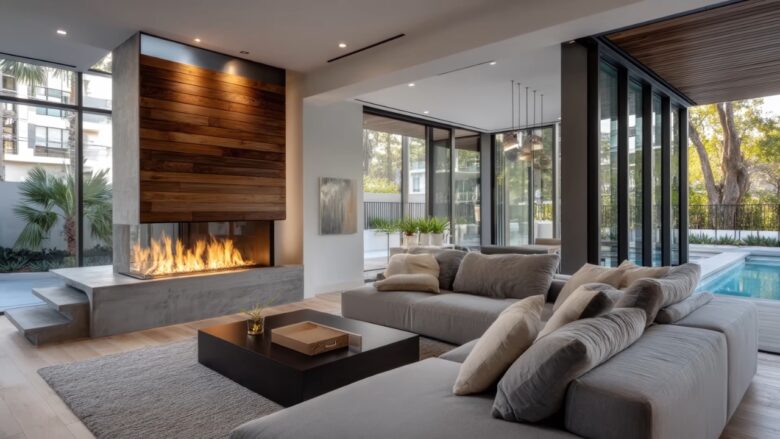
Why Quiet Luxury Is Growing
Luxury Is Becoming More Personal
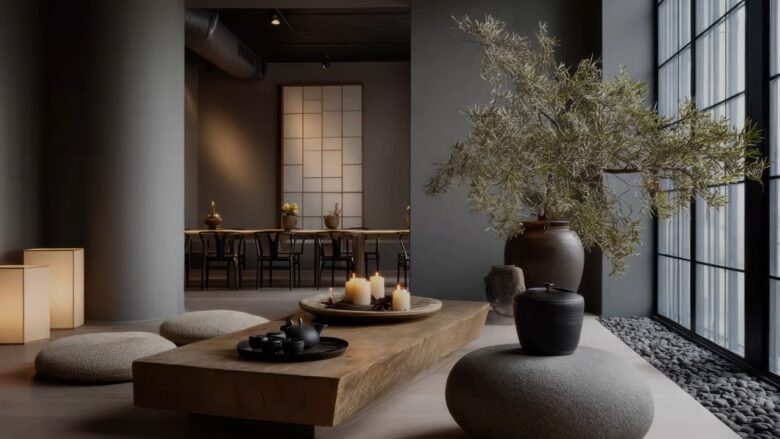
Closing Thoughts