
Developing solid and positive relationships is at the heart of being an effective behavior support practitioner. Your ability to connect with and understand the individuals you support provides the foundation for making meaningful changes in their lives. That is why relationship-building skills are so critical in this profession. When you can form trusting bonds, empathize deeply, and communicate with care and wisdom, transformative growth becomes possible. This article explores critical strategies for fostering productive relationships that lead to successful behavior change.
As a behaviour support practitioner, one of the most important skills you can develop is building positive relationships with the individuals you support. The quality of your relationship can significantly impact your ability to facilitate meaningful and lasting behavior change. Here are some tips for developing positive, productive relationships with the people you work with:

Source: m.economictimes.com
Contents
- Be Empathetic and Non-Judgemental
- Actively Listen
- Find Common Ground
- Collaborate on Goals
- Point Out Strengths
- Use Humor
- Be Patient and Consistent
- Check Your Reactions
- Provide Unconditional Positive Regard
- Customize Your Approach
- Seek Support When Needed
- Address Your Own Biases
- Advocate and Empower
- Maintain Healthy Boundaries
- Tend to Your Well-Being
Be Empathetic and Non-Judgemental
When working to change behaviors, it’s essential to come from a place of empathy and avoid judgment. Remember that all behavior serves a purpose or meets a need for the individual. Seek to understand where the behavior is coming from before trying to change it. Maintain an open, accepting stance and validate the person’s feelings and experiences. This builds trust and makes the person feel understood.
Actively Listen
Make sure you are fully engaged in active listening when interacting with the individual you support. Please give them your undivided attention, maintain eye contact, paraphrase what they say, and ask thoughtful questions to gain a deeper understanding. Do not interrupt or rush the conversation. Listening closely shows the person you care about and gives you vital information for supporting them effectively.
Find Common Ground
Look for shared interests, values, or experiences that you have in common with the individual. Finding common ground helps you relate to each other and bond. Ask about their interests, favorite activities, family, cultural practices, etc. Share a bit about yourself, too, and what is meaningful to you. This two-way exchange builds mutual understanding and connection.

Source: inc.com
Collaborate on Goals
Work collaboratively with the individual to set meaningful goals for behavior change. Make sure the goals are relevant and motivating to them, not just you. Offer options and choices rather than dictating the goals. Guiding the person through a thoughtful goal-setting process gives them a sense of autonomy and investment in the process. Check-in regularly on the goals and celebrate progress.
Point Out Strengths
Behavior support should not just focus on problems but also identify and build on existing strengths. Observe to find what skills and assets the person already has that can be utilized for positive change. Verbally recognize these strengths when you notice them. This builds the person’s confidence and self-efficacy to make changes.
Use Humor
Humor and playfulness, when used appropriately, can significantly help to build rapport. Being able to laugh together helps put the person at ease and shows your authentic self. Use humor respectfully and be observant if jokes cause discomfort. Laughter is a beautiful tool for connecting.

Source: pinterest.com
Be Patient and Consistent
Lasting behavior change takes time. Progress may be slow and non-linear. Respond to setbacks calmly and remain patient. Be a source of unwavering consistency, with regular meetings and reliable support. Your steadfast presence through ups and downs demonstrates your commitment to the person’s growth.
Check Your Reactions
Make sure you are self-aware of your emotional reactions during interactions. If you become frustrated, irritated, or judgmental, the person will sense it, damaging trust and openness. Manage your own emotions proactively through self-care practices. Discuss any concerns professionally with supervisors rather than projecting negativity onto the individual.
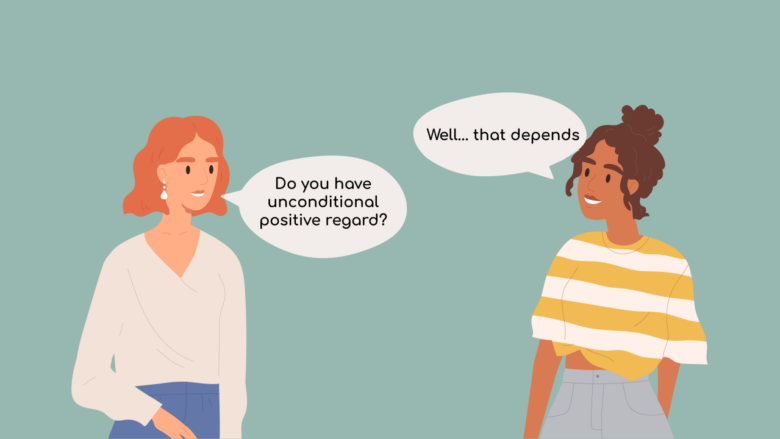
Provide Unconditional Positive Regard
Offer complete acceptance, care, and support that is not dependent on the person’s behaviors. Provide robust encouragement for any positive step the person takes without letting your positivity waver based on their challenges. Maintaining this unconditional positive stance nurtures self-worth.
Source: linkedin.com
Customize Your Approach
While these tips work generally, each individual has unique needs and communication styles. Observe to understand the specific approaches that work best with each person. Some respond better to playfulness, others to gentleness, others to firm directness, etc. Adjust your style to find the “right key” to connect with each person.
Seek Support When Needed
If you feel stuck in your ability to build rapport with an individual, do not hesitate to seek mentorship from supervisors or colleagues. We all have areas for growth, and another professional may be able to share fresh insights or new techniques to try. Ongoing learning is part of providing excellent behavior support.
Address Your Own Biases
Our interactions with different people can be influenced by the unconscious biases that we all have. Reflect honestly on any biases you may hold around factors like race, gender, age, disability, etc., and how these may influence your behavior and expectations. Seek training to increase awareness and replace biased attitudes with ones of inclusion and equity.

Source: abc.net.au
Advocate and Empower
An essential part of your role is advocating for the rights and dignity of the individual you support. Help empower them to express their own needs and make choices. Educate others on showing respect and granting appropriate autonomy. Facilitate inclusion in community activities. Advocacy demonstrates your commitment to the person.
Maintain Healthy Boundaries
While building closeness in the relationship, maintain professional boundaries. Do not share overly personal information or try to be friends. Keep the focus on their needs. Boundaries create a safe space for both of you. Discuss any boundary concerns transparently with your supervisor.
Tend to Your Well-Being
This work can be emotionally draining, so nurture your resilience by eating well, exercising, getting quality sleep, taking breaks, having hobbies, and seeking support from loved ones. When you model effective self-care, it shows the individual how to care for themselves, too. Your well-being enables you to be fully present.

Source: everydayhealth.com
The relationship between a behavior support practitioner and the individual they serve forms the entire foundation for facilitating change. Investing entirely in building trust, mutual understanding, and positivity sets you both up for success. Approach each person with patience, empathy, and care. When you form a genuine human connection, powerful transformation becomes possible.