
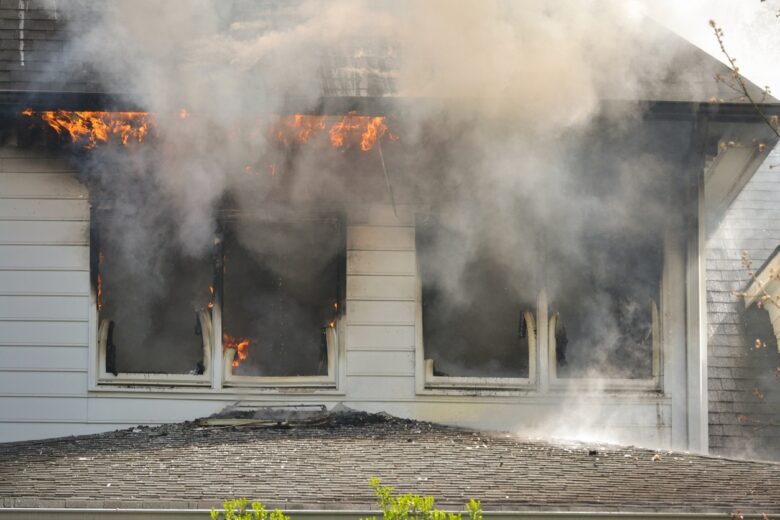
When a fire occurs in a home or business, most people focus on the visible destruction caused by flames. However, the damage doesn’t end once the fire is extinguished. Smoke and soot can spread throughout the property, causing hidden problems that may continue long after the flames are gone.
Many homeowners are surprised to learn that smoke damage can sometimes be just as serious and expensive as fire damage itself. Understanding the difference between the two is important for making informed decisions during the restoration process and protecting your property from long-term issues.
This guide explains the key differences between fire damage and smoke damage, how each affects your home, and why professional restoration is often necessary.
Understanding Fire Damage
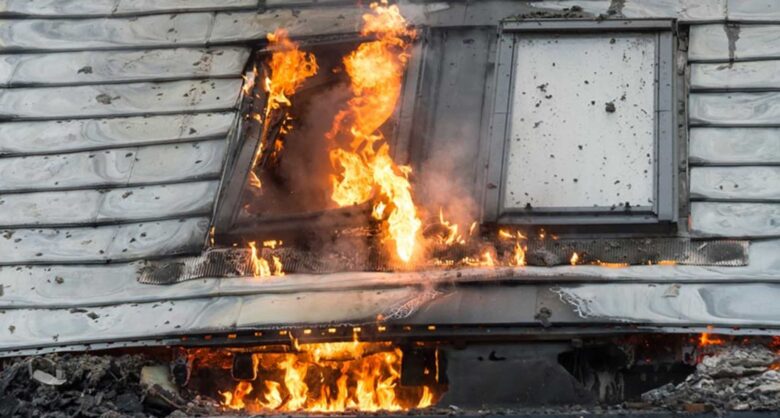
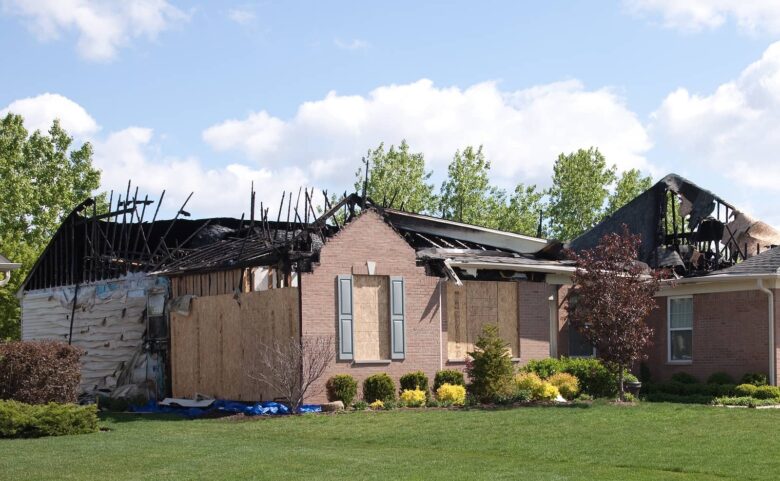
Fire damage refers to the direct destruction caused by flames and extreme heat. This type of damage is usually visible and affects the structural components and contents of a property.
Common examples of fire damage include:
- Burned walls, ceilings, and flooring
- Charred furniture and personal belongings
- Melted electrical wiring and appliances
- Structural weakening from high temperatures
- Roof or framing damage
The severity of fire damage depends on how long the fire burned, the materials involved, and how quickly firefighters were able to contain it.
In severe cases, fire can compromise the structural integrity of a home, making certain areas unsafe until repairs are completed.
Understanding Smoke Damage
Smoke damage is different because it spreads far beyond the area directly affected by flames. Smoke particles travel through the air and settle on walls, ceilings, furniture, carpets, clothing, and ventilation systems.
Even a small fire in one room can create smoke damage throughout the entire property.
Smoke damage often includes:
- Soot residue on surfaces
- c
- Discoloration on walls and ceilings
- Corrosion of metal surfaces
- Contaminated indoor air quality
Because smoke particles are microscopic, they can penetrate porous materials and remain hidden deep inside fabrics, insulation, and HVAC systems.
Why Smoke Damage Is Often Overlooked
Many homeowners focus on visible burn damage and underestimate the impact of smoke. However, smoke residue can continue causing problems if it is not properly cleaned.
For example, acidic soot can stain surfaces permanently and damage electronics, metal fixtures, and appliances over time. Smoke odors can also linger for months if the affected materials are not professionally treated.
This is why professional restoration teams handling fire damage restoration Austin projects often address smoke cleanup as aggressively as the fire damage itself.
How Fire and Smoke Damage Affect Indoor Air Quality
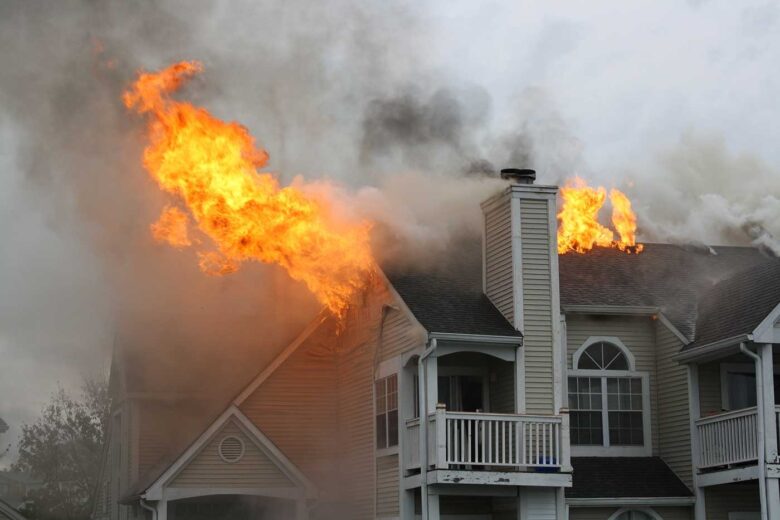
One of the biggest concerns after a fire is indoor air contamination. Smoke contains tiny particles and chemicals that can remain suspended in the air or settle inside air ducts and ventilation systems.
Poor indoor air quality after a fire may lead to:
- Respiratory irritation
- Allergy symptoms
- Eye and throat discomfort
- Lingering unpleasant odors
Without proper cleaning and air purification, these contaminants can continue affecting the living environment long after the fire is out.
The Role of Soot in Smoke Damage
Soot is the black residue left behind after materials burn incompletely. It is one of the most damaging aspects of smoke exposure because it spreads easily and sticks to surfaces.
Different types of soot may result from different fire sources. For example, burning plastics, wood, or synthetic materials can produce different residues that require specific cleaning techniques.
If soot is not removed quickly, it can:
- Permanently stain surfaces
- Damage electronics
- Corrode metals
- Discolor walls and fabrics
Professional cleaning is often necessary to prevent permanent damage.
Water Damage Often Accompanies Fire Damage
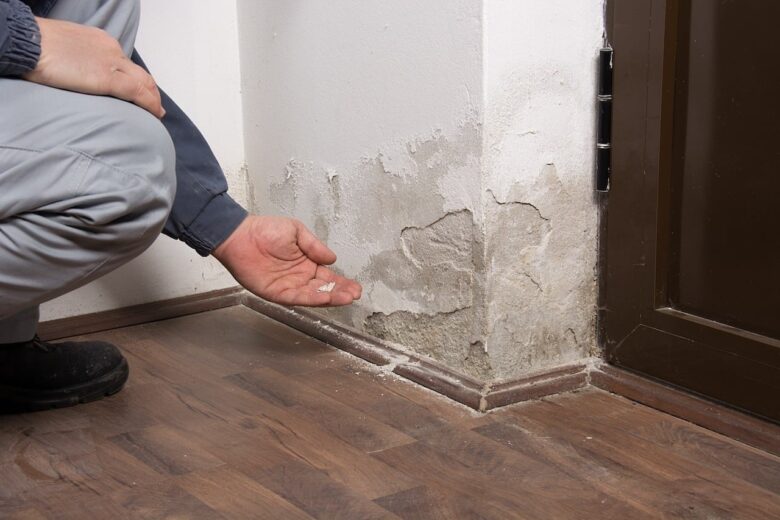
Another important factor homeowners should understand is that fires frequently lead to water damage as well. Firefighters use large amounts of water to extinguish flames, which can saturate floors, walls, and furniture.
As a result, many fire restoration projects also involve:
- Water extraction
- Structural drying
- Mold prevention
- Dehumidification
This combination of fire, smoke, and water damage makes restoration more complex than many people expect.
Why Professional Restoration Is Important
Cleaning up after a fire involves much more than removing burned debris. Restoration professionals are trained to assess structural damage, remove soot safely, eliminate odors, and restore indoor air quality.
Professional fire and smoke restoration typically includes:
- Soot and smoke residue removal
- Odor elimination treatments
- Air duct and HVAC cleaning
- Structural cleaning and repairs
- Water extraction and drying
- Reconstruction of damaged areas
Specialized equipment and cleaning solutions are often required to fully restore the property.
What Homeowners Should Do After a Fire
After a fire, homeowners should avoid touching soot-covered surfaces because oils from the skin can make stains worse. It is also important not to use household vacuums on soot, as this can spread particles further into the air.
The first priority should always be safety and contacting restoration professionals as soon as possible.
Documenting damage with photos and contacting your insurance provider can also help simplify the claims process.
Final Thoughts
Fire damage and smoke damage are closely connected, but they affect homes in very different ways. While fire damage causes direct destruction from flames and heat, smoke damage spreads throughout the property and can create hidden problems that continue long after the fire is extinguished.
Understanding the difference between the two helps homeowners recognize the importance of thorough restoration. Quick action and professional cleanup are essential for protecting structural integrity, indoor air quality, and personal belongings after a fire.