

Choosing a payment processor affects transaction costs, settlement speed, checkout experience, fraud risk, and international payment performance.
Real-time payments are projected to make up 25% of global electronic transactions by 2028, which makes faster payment infrastructure more important for modern businesses.
The best choice depends on business size, payment volume, sales channels, customer location, and international growth plans.
Let’s go through the best options out there.
Platform Best For Key Data PayPal Fast setup and trust 25 currencies, 27M merchants, 3.49% + fixed fee checkout Adyen Enterprise businesses $0.13 processing fee, custom method fees, 1 to 3 day processing Airwallex Global commerce $0 monthly fee, 20+ currencies, same-day or within-hours transfers Stripe SaaS and developers 135+ currencies, Stripe Radar, 2.9% + $0.30 online cards Square Small businesses and POS Free POS software, 2.6% + $0.15 in-person payments Helcim Transparent pricing $0 monthly fee, interchange-plus pricing, volume discounts ConnectPay European businesses and fintechs Licensed EMI, IBANs, SEPA, SWIFT, card acquiring Checkout.com High-growth global businesses Custom pricing, localized acquiring, fraud tools
1. PayPal – Best for Fast Setup and Customer Trust

PayPal gives businesses a familiar checkout option with fast setup.
It works as a digital wallet, so shoppers can pay without entering card details each time.
PayPal supports payments in 25 currencies and accepts most major credit cards.
PayPal Business is used by 27 million merchants and includes chargeback, fraud, and seller protection features.
Integrations include Jotform, Shopify, Wix, and Squarespace.
Fee structure can change based on checkout method and transaction type:
- PayPal checkout and guest checkout can cost 3.49% plus a fixed fee
- Standard credit and debit card payments can cost 2.99% plus a fixed fee
- International commercial transactions may include additional fixed fees
2. Adyen – Best for Enterprise Businesses
Adyen is built for large companies with complex, high-volume, and international payment needs. It supports online, mobile, and in-store payments in one system.
Global acquiring can help large businesses process transactions locally, improve authorization rates, and reduce cross-border fees.
High-volume or regulated businesses, including companies that need an online casino merchant account, may require custom pricing, local acquiring, stronger risk screening, and stricter compliance checks.
Risk tools include machine-learning-powered fraud detection and real-time transaction analysis to help reduce chargebacks.
Cost and settlement details are more enterprise-focused than flat-rate processors:
- $0.13 processing fee per transaction
- Payment-method fees vary
- Minimum monthly invoice may apply
- Processing time is usually 1 to 3 business days
3. Airwallex – Best for Global Commerce

Airwallex supports international payments, multi-currency transactions, and global business accounts.
Businesses can settle funds like-for-like in 20+ currencies, which helps reduce forced currency conversion.
Many global transfers can be processed same-day or within hours. For companies handling cross-border revenue, that speed can make cash flow easier to manage.
Pricing details matter most for card acceptance and FX:
- $0 monthly fee, conditions may apply
- 2.80% + $0.30 for domestic cards
- 4.30% + $0.30 for international cards
- 0.5% above interbank for major-currency FX
Security features include AI-powered fraud detection. Airwallex also meets PCI DSS, SOC1, and SOC2 compliance requirements.
4. Stripe – Best for SaaS and Developers
View this post on Instagram
Stripe is known for flexible APIs, strong documentation, and developer-friendly infrastructure.
It supports marketplaces, subscriptions, usage-based billing, and multi-party payment splits.
Businesses can accept 135+ currencies, making Stripe useful for international sales.
Security includes AES-256 encryption and Stripe Radar for machine-learning-based fraud prevention.
Pricing depends on payment type:
- Online card payments cost 2.9% + $0.30
- In-person payments cost 2.7% + $0.05
- International cards add an extra 1.5% fee
5. Square – Best for Small Businesses and POS
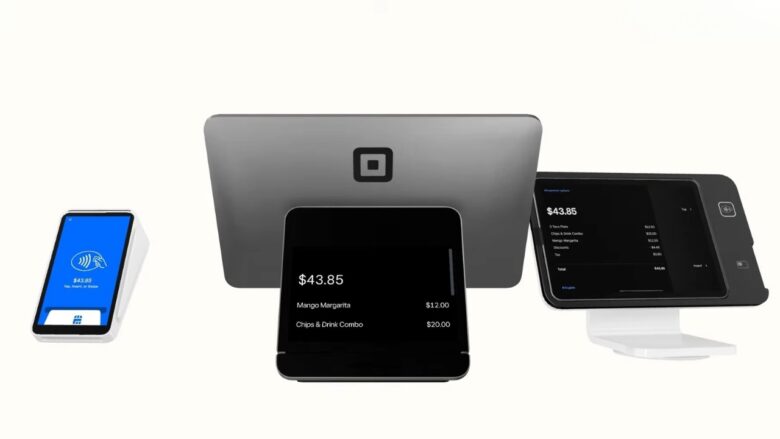
Square is built for businesses that accept in-person and online payments.
Accounts can be created and verified quickly, allowing businesses to start accepting payments right away.
Core tools include POS hardware, free POS software, inventory tools, sales reporting, and an online store option.
Security and risk tools include active fraud protection, end-to-end encryption, live phone support, and transaction dispute management.
Costs vary by how the customer pays, which can affect margins for retail, restaurant, and service transactions:
- 2.6% + $0.15 for in-person payments
- 3.3% + $0.30 for online payments
- 3.5% + $0.15 for keyed-in payments
6. Helcim – Best for Transparent Pricing
@merchantmaverick Looking for a transparent credit card processor? @helcim ♬ original sound – Merchant Maverick
Helcim uses interchange-plus pricing, which shows card network costs and processor markup more clearly.
Automatic volume discounts help businesses lower costs as transaction volume grows. Included tools include a free virtual terminal and online invoicing.
Volume tiers are central to Helcim’s pricing model:
- $0 monthly fee
- $0 to $50K volume tier: interchange + 0.40% + $0.08
- $50K to $100K volume tier: interchange + 0.35% + $0.07
- $1M to $5M volume tier: interchange + 0.15% + $0.06
Next-day deposits are available for free.
7. ConnectPay – Best for European Businesses and Fintechs

ConnectPay is designed for European businesses, fintechs, SaaS platforms, marketplaces, and companies needing regulated payment infrastructure.
ConnectPay is a licensed Electronic Money Institution and is regulated by the Central Bank of Lithuania.
Core features support payment accounts, transfers, acquiring, and embedded payment operations:
- Dedicated IBAN accounts
- SEPA and SWIFT connectivity
- Card acquiring
- API-based integration
ConnectPay supports complex payment flows, multi-entity structures, multi-country operations, automated reconciliation, and scalable transaction processing.
Compliance infrastructure includes AML controls aligned with European regulatory requirements.
8. Checkout.com – Best for High-Growth International Businesses
Big news…
We’ve just closed our Series B fundraise 🚀
Following our Series A raise last year we have now tripled our valuation to $5.5bn.
We can’t wait to build the new world of connected #payments.
Here’s what it means for us 👇
https://t.co/KijL33W7kd pic.twitter.com/Oi0N39pWWb— Checkout.com (@Checkout) June 22, 2020
Checkout.com is built for fast-scaling digital businesses, high transaction volumes, and international expansion.
Core capabilities include global payment acceptance across multiple currencies and regions, localized acquiring, advanced fraud tools, and detailed reporting.
Localized acquiring strategies can help optimize authorization rates in different markets.
Fraud tools use advanced data analysis and machine learning. Reporting and performance analytics help businesses track payment performance, fraud patterns, and authorization rates.
Pricing is typically custom-based on the factors that shape processing complexity:
- Transaction volume
- Business model
- Geographic footprint
Closing Thoughts
A payment processor can shape how smoothly a business gets paid, how secure each transaction feels, and how easily customers complete checkout.
Pricing matters, but speed, reliability, fraud protection, and support for future growth matter just as much.
A good payment setup should make selling easier, reduce avoidable payment issues, and give the business enough flexibility to grow without needing to rebuild its payment system later.