
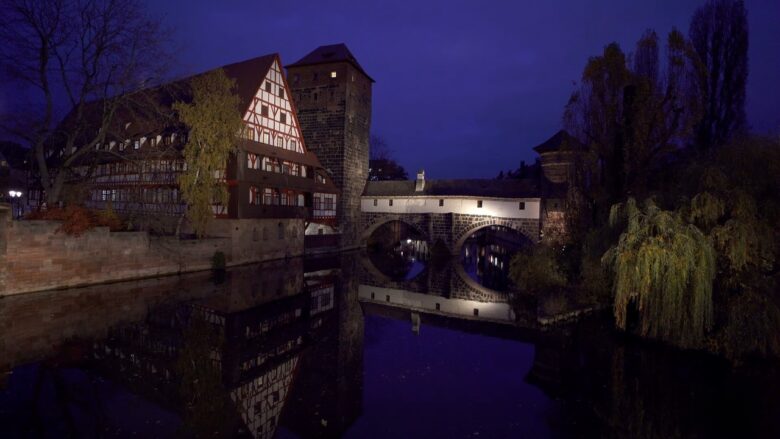
Munich is one of the easiest bases for seeing southern Germany without changing hotels every few nights.
Castles, alpine lakes, medieval towns, historic cities, and mountain resorts sit within reach by train, car, or guided tour.
Rail access is a major reason Munich works so well. Many popular day trips can be done by train, often with direct or simple routes.
Car travel helps more with alpine detours, Romantic Road stops, and multi-stop castle routes.
Best results come when travelers mix easy rail trips with one or two longer nature or castle days.
Why Munich Is a Great Base for Exploring Germany
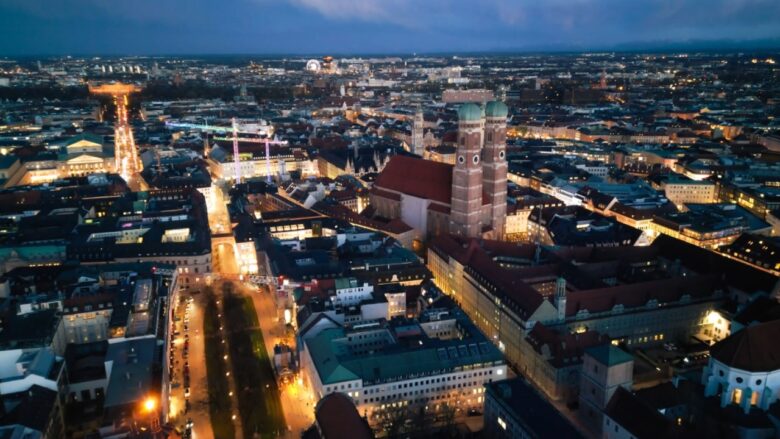
Munich has strong rail links across Bavaria and southern Germany.
That matters because many nearby historic cities are easier to get to by train than by car, especially places with compact old towns and limited central parking.
Train travel is best for travelers who want simple logistics. Cities such as Nuremberg, Regensburg, Augsburg, and Bamberg can be reached without needing to rent a car.
Alpine trips such as Garmisch-Partenkirchen and Chiemsee are also practical by rail.
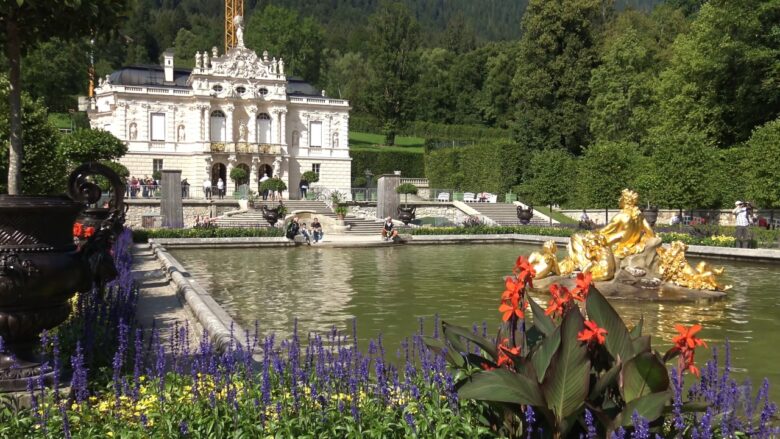
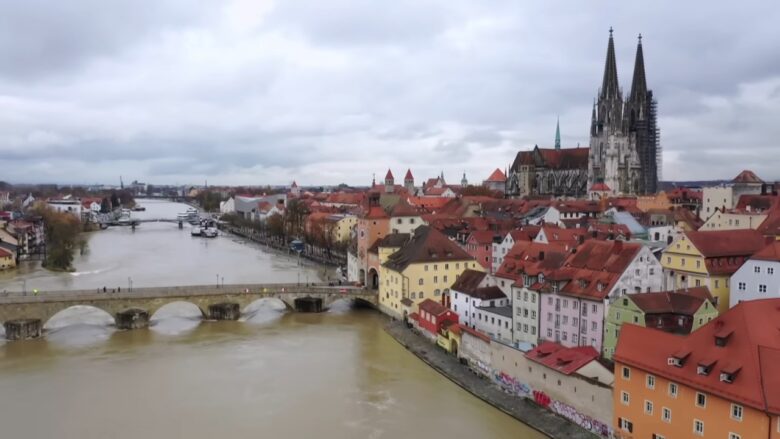
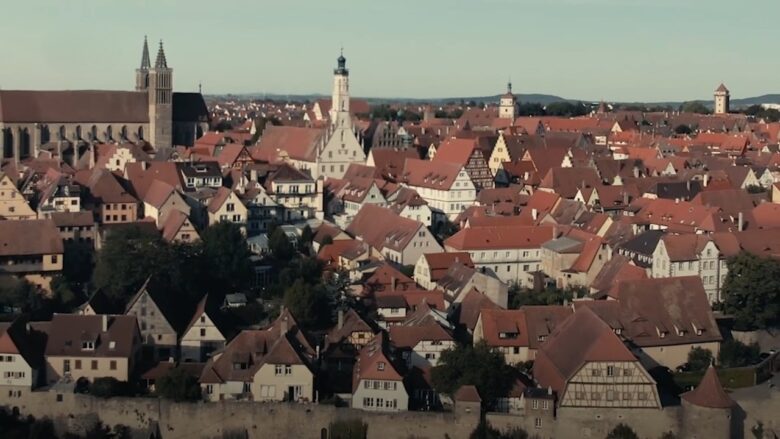
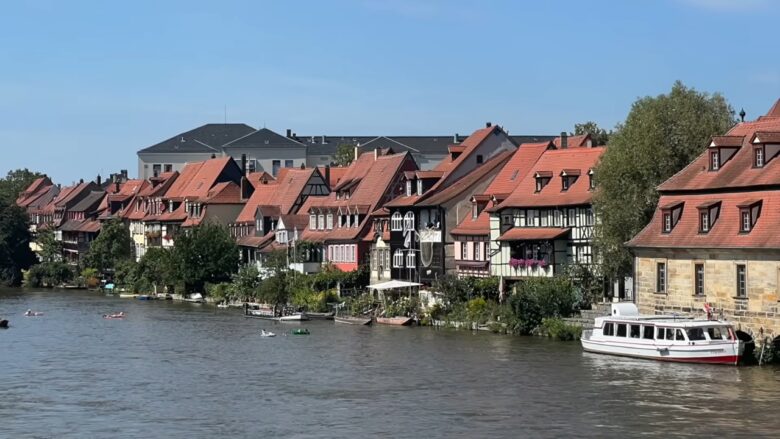
Car travel still has value. A rental car is more useful for Romantic Road stops, smaller alpine roads, Berchtesgaden add-ons, or trips that combine several places in one day. Guided tours make sense for routes that are awkward by public transport, especially Neuschwanstein with Linderhof. Hotel location can make the trip smoother. Travelers relying on rail should look near Munich Hauptbahnhof or nearby central areas. For adult travelers planning a private, luxury-focused Munich stay, local concierge-style services such as Louisa may fit better into the city-based part of the trip than into castle, lake, or mountain day plans. Travelers using a car may prefer staying near the Mittlerer Ring, which gives easier access to major roads while still keeping Munich’s Old Town reachable. Munich is close enough to King Ludwig II’s royal sites for a full castle-focused day. Neuschwanstein is the main draw, but Linderhof adds a more intimate palace experience for travelers who want a fuller Bavarian royalty route. Castle days need a bit more planning than city trips. Tickets, viewing points, bus links, and travel time can affect the schedule, especially during busy seasons. King Ludwig II commissioned it in 1868, and its Romanesque Revival design, white walls, high turrets, and alpine backdrop make it one of the most photographed places in Germany. Hohenschwangau adds more than a castle visit. Travelers can combine royal history, lake scenery, mountain views, and Füssen’s old town in one full day. Travel time is manageable but not short. Hohenschwangau is around 100 kilometers away. Driving can take under two hours. Train travel usually means a roughly two-hour ride to Füssen, followed by a 10-minute bus ride to Hohenschwangau. A direct BRB RB68 train runs between Munich and Füssen about three times daily, with slower rail options also available. After Füssen, visitors can use a bus, walk, or rent a bike. Tickets can sell out, especially for guided castle tours and popular viewing times. Early booking is smart for first-time visitors, couples, families, history fans, and anyone planning photos at Marienbrücke. Linderhof Palace gives travelers a smaller but more detailed look at King Ludwig II’s royal world. Interiors are highly decorated, and the palace works well for visitors who want more than one Ludwig II site during a Munich stay. Combining Linderhof with Neuschwanstein takes planning. Public transport between the two is not especially convenient, so a rental car or organized tour is usually the better choice. Linderhof fits travelers interested in Bavarian royalty, palace interiors, and organized day tours. It is also useful for visitors who want a fuller King Ludwig itinerary without adding an overnight stop. Historic cities are some of the easiest and most rewarding trips near Munich. Strong rail connections make it possible to reach major old towns, UNESCO sites, museums, Roman remains, and World War II history locations without a car. Nuremberg, Regensburg, and Augsburg each offer a different kind of history. Nuremberg has the strongest mix of medieval and modern historical weight. Regensburg is best for the Roman and medieval atmosphere on the Danube. Augsburg gives travelers Roman roots, Renaissance architecture, social history, and UNESCO-listed water systems. Nuremberg is one of the strongest historical sites near Munich. Medieval imperial sites sit close to museums, old-town streets, and major World War II history locations. A visit can be split between old Nuremberg and modern historical memory. Imperial Castle, river views, and old lanes show the city’s medieval side. Documentation Center Nazi Party Rally Grounds and Memorium Nuremberg Trials add a serious historical layer. Travel time makes Nuremberg especially easy. ICE trains linking Munich Hauptbahnhof and Nuremberg usually take about 60 to 70 minutes, with frequent departures. High-speed trains cover the roughly 150-kilometer route in just over an hour, while driving can take almost twice as long. Nuremberg is best for history lovers, culture travelers, Christmas-market trips, and visitors who want an old town with serious historical depth. Regensburg is a compact Danube city with Roman roots, medieval streets, UNESCO-listed architecture, and strong train access. It began as a Roman military camp in 179 CE, and visitors can still see Porta Praetoria and traces linked to Castra Regina. Medieval Regensburg is easy to explore on foot. Cathedral towers, river views, old trading houses, colorful façades, and stone lanes sit within a walkable center. Train access is one of Regensburg’s biggest advantages. Direct RE and ICE trains run often between Munich and Regensburg, sometimes every 30 minutes. Trips usually take less than 90 minutes, and Domplatz is less than a 10-minute walk away after arrival at Regensburg Hauptbahnhof. Regensburg works well for architecture lovers, Roman history fans, medieval history fans, romantic weekend travelers, and Christmas-market visitors. Augsburg is one of Germany’s most underrated old cities. Roman roots, Renaissance courtyards, medieval streets, and the world’s oldest social housing complex make it feel like a place hiding in plain sight. pic.twitter.com/lw4Qotm9nI — The Timeless Traveler 🇺🇸 (@TimelessTrvlr) May 25, 2026 Augsburg is one of the most underrated historic cities near Munich. Founded by Roman Emperor Augustus around 14 BC, it combines Roman heritage, Renaissance architecture, canals, social history, and major cultural sites. Crowds are usually lighter than in better-known Bavarian destinations. That makes Augsburg a good choice for travelers who want a full historic city day with less pressure. Augsburg also has strong cultural stops. Augsburg Cathedral, Renaissance Rathaus, Hochablass, Lech Weir, Leopold Mozart House, and Brecht House give the city more depth than many visitors expect. Travel time is short. ICE trains between Munich and Augsburg leave roughly every hour and take about 30 minutes. Driving via the A8 takes about an hour. Rail is the simpler option for most visitors. Medieval towns near Munich require more planning than Augsburg or Regensburg, but they can be worth the extra travel time. Rothenburg ob der Tauber gives travelers the classic Romantic Road look, while Bamberg offers UNESCO-listed Franconian architecture, breweries, canals, and cathedral views. Travelers should think about pacing before choosing. Rothenburg is better as a full-day tour or an overnight stop. Bamberg is easier by rail and works well for visitors who want architecture, food, and beer culture in one long day. Rothenburg ob der Tauber is Germany’s classic medieval town day trip. Half-timbered houses, cobblestone lanes, town walls, towers, gates, and the Plönlein photo spot make it one of the most popular Romantic Road stops. Dating back to 1274, Rothenburg sits along the Romantic Road, a 350-kilometer tourist route through southern Germany. Its historic core is not only pretty. Intact city walls are walkable and free to enter, with a roughly 4-kilometer route past towers, gates, rooftops, and medieval views. Travel logistics are the main downside. Rail travel usually takes about 2.5 to 3 hours and requires two or three transfers. Driving takes about three hours. Guided tours can reduce planning stress. Rothenburg works best as a full-day trip, guided day tour, or overnight stay. Couples, photographers, Christmas-market travelers, and Romantic Road visitors get the most value here. Bamberg is a UNESCO-listed Franconian city with medieval lanes, Baroque buildings, hilly viewpoints, canals, and strong food and beer culture. It is often called the “Franconian Rome” because of its hilly layout. Bamberg feels larger and more layered than many smaller medieval towns. Half-timbered houses, Little Venice, Altes Rathaus, Bamberg Cathedral, and the Prince-Bishop history give visitors plenty to see in one day. Train travel is reasonable for a long day. Some direct trains between Munich and Bamberg take about 1 hour and 45 minutes. Other routes require a transfer in Nuremberg. Bamberg’s train station sits about 1.5 kilometers away from the Old Town. Driving takes around 2.5 hours. Bamberg fits travelers who like atmospheric old towns, Franconian food, beer culture, photography, and UNESCO-listed city centers. Munich gives travelers easy access to southern Germany’s castles, medieval towns, historic cities, alpine lakes, and mountain resorts. A strong itinerary does not need constant hotel changes. For most travelers, the best Munich-based route combines train-friendly cities with one castle day and one nature day.Best Fairytale Castle Trips Near Munich
Neuschwanstein Castle and Hohenschwangau
Neuschwanstein Castle is Bavaria’s signature fairytale castle trip.Linderhof Palace
Best Historic Cities Near Munich
Nuremberg
Regensburg
Augsburg
Best Medieval Towns and Romantic Road Stops
Rothenburg ob der Tauber
Bamberg
Closing Thoughts