
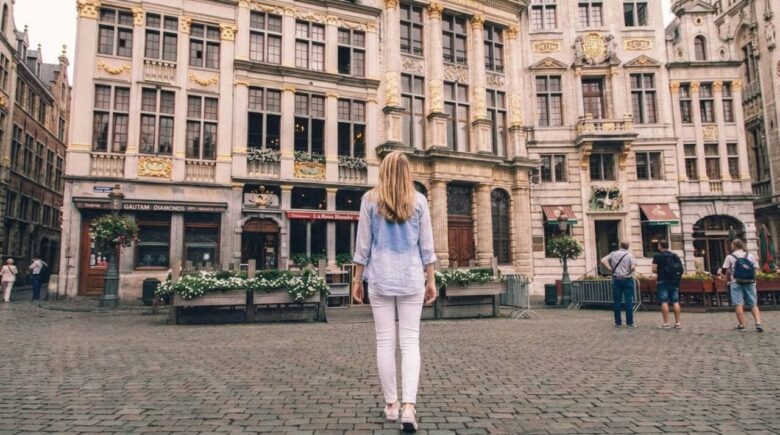
Brussels suits travelers who dislike racing from landmark to landmark. Its historic center is compact, public transport makes longer jumps easy, and many of the city’s most rewarding areas reveal themselves through ordinary streets, markets, cafés, parks, and architecture.
A good slow-travel plan gives each half-day a small geographic focus. Walk until something catches your eye, sit down when you feel like it, and schedule one major attraction at most.
Three or four days can then feel spacious: central Brussels gets proper attention, neighborhoods such as the Marolles and Saint-Gilles gain room to breathe, and a green afternoon can replace another queue.
Start at Grand-Place, Then Let the Center Unfold
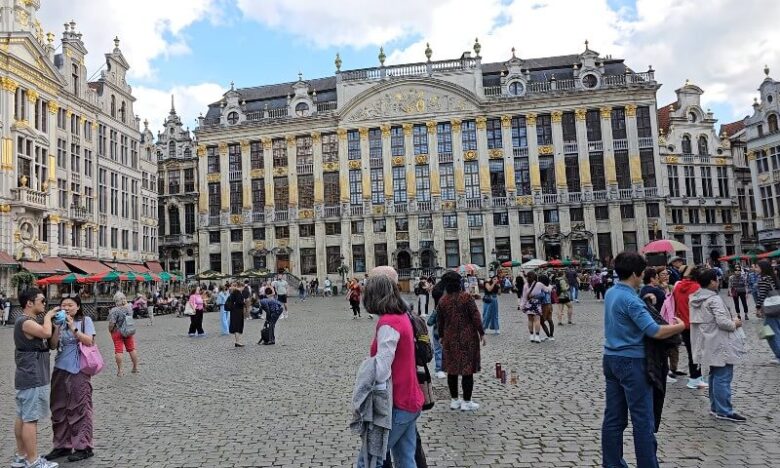
Grand-Place deserves time because much of its character lives in the details: gilded façades, carved figures, rooflines, and changing light. UNESCO describes the square in its Grand-Place record as a remarkably coherent group of buildings dating largely from the late 17th century.
Much of the square was rebuilt after the French bombardment of 1695, which helps explain the architectural unity visitors see today.
Arrive in the morning, or return after dinner when the pace changes. Guests staying at La Bourse Hotel can easily revisit Grand-Place at different times of day, since the hotel sits close to the square in central Brussels.
From there, drift through the surrounding lanes. The Galeries Royales Saint-Hubert, streets around Sainte-Catherine, and cafés around Saint-Géry can comfortably fill several hours.
Small discoveries sit close together here. A comic-book mural appears above a side street, which is one of the coolest things you can do in whole Benelux. A chocolate shop becomes a coffee stop. A ten-minute walk becomes forty because an arcade or old shopfront keeps pulling your attention sideways.
Give the Marolles Enough Time to Wander
View this post on Instagram
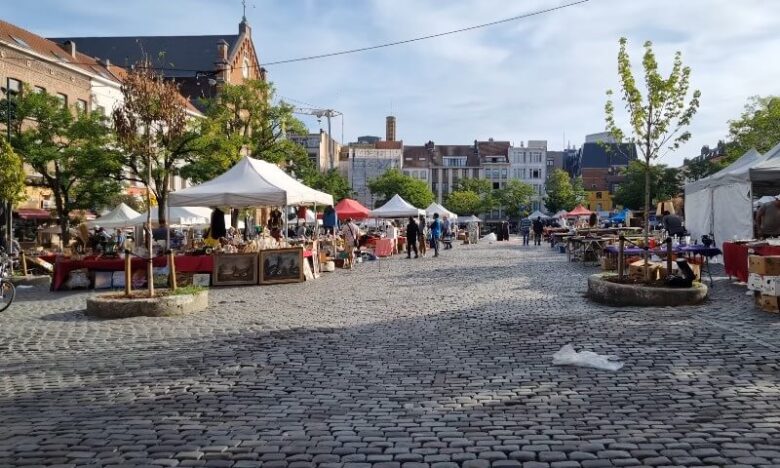
The Marolles is ideal for a morning with no urgent destination. Place du Jeu de Balle hosts Brussels’ famous daily flea market. The tradition on the square dates back to 1873, according to the city’s official markets guide. Stalls carry old photographs, second-hand clothes, furniture, records, and plenty of objects that resist easy classification.
Continue along Rue Blaes and Rue Haute, where antique shops, vintage stores, cafés, and neighborhood life mix together. An official Sablon and Marolles walk takes about 2.5 hours, though a slow traveler can easily stretch the same ground across half a day.
The shift into Sablon changes the atmosphere. Pause around Petit Sablon, step into the Church of Our Lady of Sablon, then find a café table before deciding what comes next.
Let Architecture Become the Activity
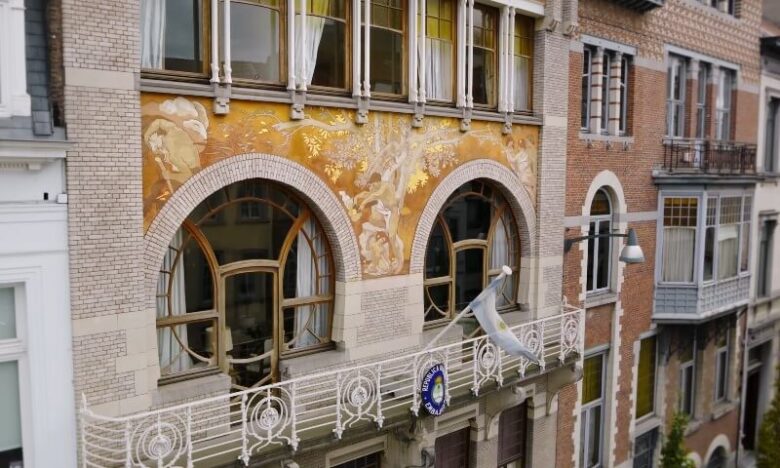
Saint-Gilles gives slow travelers a reason to look up. Streets around the commune contain work by Victor Horta, Ernest Blérot, and other architects associated with Brussels’ Art Nouveau heritage.
Visit Brussels maps a roughly 2.5-hour Saint-Gilles architecture walk passing residential façades, small parks, the town hall, and Parvis de Saint-Gilles.
Walking here changes the usual sightseeing rhythm. A façade needs no timed entrance. Spend five minutes studying an iron balcony, stop for lunch, then pick up the route again later.
Ixelles offers another easy roaming day. The route around the Ixelles ponds and Flagey winds through Art Deco and Art Nouveau architecture, cafés, cultural venues, and residential blocks. From the water, continue toward the La Cambre Abbey gardens, beside a former Cistercian monastery founded in 1201, then carry on into Bois de la Cambre if the weather is good.
Choose One Museum and Stay Long Enough
Pick a collection that genuinely interests you and allow enough time to linger. The Royal Museums of Fine Arts of Belgium bring the Magritte Museum, Old Masters Museum, and other collections into one complex. Current museum visitor information lists opening from Tuesday through Sunday, 10:00 to 17:00, with Monday closure.
René Magritte is an obvious choice for surrealism fans, while the Old Masters collection suits visitors drawn to Bruegel, Rubens, and Belgian art history. Two focused hours with one collection can leave a stronger memory than a rapid circuit through several buildings.
Afterward, leave the remaining afternoon open. Mont des Arts, Sablon, Parc de Bruxelles, or a long lunch can absorb it easily.
Save a Half-Day for Green Brussels
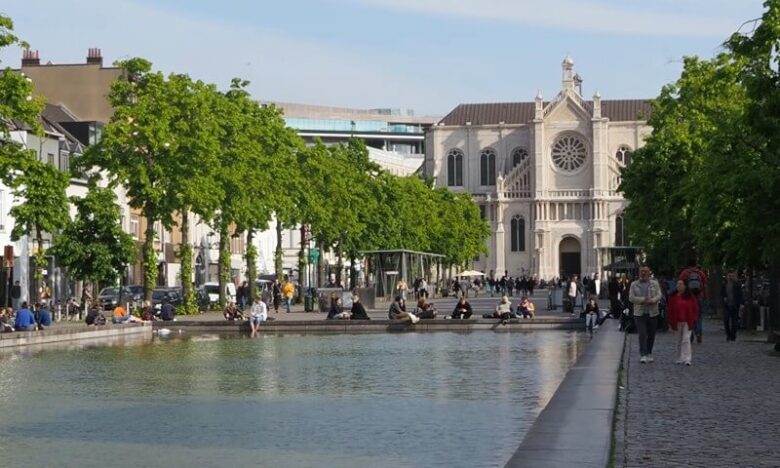
Brussels has an easy escape valve when cobblestones and museums begin to blur together. Bois de la Cambre connects the city with the Sonian Forest, a wooded area covering roughly 4,000 hectares according to the Brussels parks guide.
Parts of the forest belong to the UNESCO-listed Ancient and Primeval Beech Forests of Europe. Five protected forest areas received UNESCO recognition in 2017, as Visit Brussels notes in its overview of UNESCO heritage in Brussels.
A walk around Bois de la Cambre already changes the tempo, while a longer outing into the Sonian Forest creates a genuine break from urban sightseeing. Rouge-Cloître, on the forest’s edge, adds former abbey buildings and walking paths.
Keep a green afternoon flexible for good weather and move a museum visit to a rainy slot.
Use Public Transport to Protect Your Energy
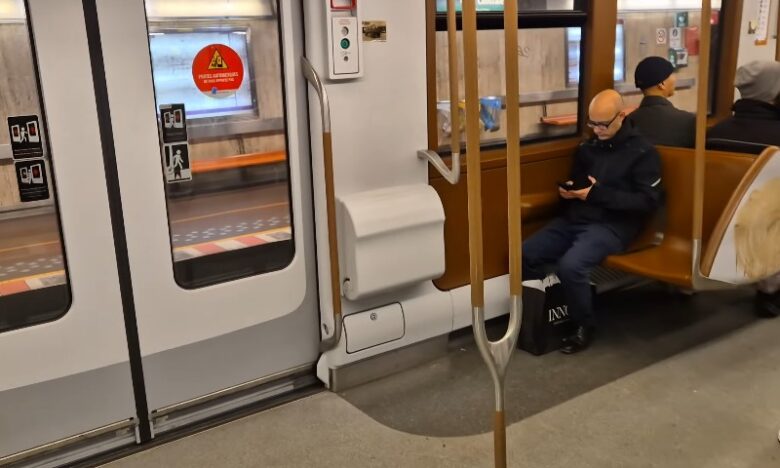
Walking belongs at the center of a slow Brussels trip, and public transport helps preserve energy for the streets you actually want to explore. Trams are especially pleasant because they keep you connected to street life while crossing larger distances.
As of June 2026, a journey paid with a bank card, smartphone, or smartwatch costs €2.40 under the STIB contactless system. Connections made within 60 minutes are included when the same payment method is validated again.
Use transport for gaps between neighborhoods, then explore each area on foot. A morning in the Marolles can flow into Saint-Gilles, while Flagey pairs naturally with La Cambre and Bois de la Cambre.
Build Days Around Pauses
Brussels gives food and drink plenty of room in a slow itinerary. Leave space for a proper café stop, a long lunch, a beer in the late afternoon, or a waffle eaten somewhere you had never planned to visit.
A workable three-day rhythm might look like:
- Day 1: Grand-Place and the historic center, followed by Sablon and an unhurried dinner.
- Day 2: Jeu de Balle and the Marolles in the morning, then Saint-Gilles and its Art Nouveau streets.
- Day 3: One museum, followed by Flagey, the Ixelles ponds, La Cambre, or a longer green escape.
Four days gives the plan extra breathing room. Add Sainte-Catherine, Dansaert, a second museum, or a full afternoon in the Sonian Forest according to mood and weather.
Brussels Feels Better When You Leave Gaps
The best slow trip to Brussels has empty spaces in it. A city with layered architecture, neighborhood markets, café culture, compact streets, and generous green areas gives travelers plenty to notice once the schedule stops demanding constant movement.
Choose fewer places each day. Walk between nearby neighborhoods. Ride a tram when the distance stops being enjoyable. Give a market, museum, park, or lunch enough time to become a real part of the day.
Brussels works beautifully as a city to inhabit for a few days.