
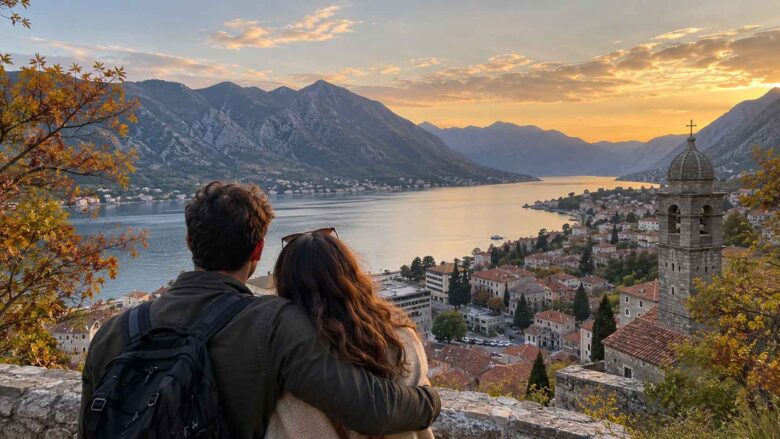
Autumn is when the Balkans get easier to enjoy as a couple. The summer crowds thin out by mid-September, hotel prices drop, and most coastal and lakeside towns stay mild well into October. You can still eat dinner outside in Split or Kotor, walk the boardwalks at Plitvice without queuing behind tour groups, and get a table at a good family restaurant without booking a week ahead.
If you want the short answer, the best romantic autumn getaways in the Balkans for 2026 are Mostar and Blagaj, the Livno area, Plitvice Lakes, Split and Trogir, the Bay of Kotor, Istria and Lake Ohrid.
Most of them sit within a few hours of each other, so it’s realistic to combine two or three in one trip. If you’d rather leave the car at home, Livno Bus runs international lines between Bosnia and Herzegovina, Croatia and Germany, which makes linking the inland spots with the coast fairly simple.
Autumn getaways at a glance
| Destination | Country | Why couples like it | Best autumn window | Good to know |
|---|---|---|---|---|
| Mostar and Blagaj | Bosnia and Herzegovina | Old Bridge at dusk, dinners by the river | September – October | Kravice waterfall entry is 20 KM (about €10) |
| Livno and Buško Lake | Bosnia and Herzegovina | Wild horses, empty plateaus, local cheese | September – mid-October | Most of what you’ll see is outdoors and free |
| Plitvice Lakes | Croatia | Autumn colours over turquoise lakes | October | Adult ticket is €23.50 in October |
| Split and Trogir | Croatia | Sea still warm, old towns without the crush | September – early October | Hotel rates fall after mid-September |
| Bay of Kotor and Perast | Montenegro | Fjord-like bay, small stone villages | September – October | City walls climb costs €15 |
| Istria | Croatia | Truffle season, wine, hilltop towns | Late September – November | Truffle tours need booking ahead |
| Lake Ohrid | North Macedonia | Lake sunsets, quiet old town | September – October | One of the most affordable stops on this list |
Mostar and Blagaj, Bosnia and Herzegovina
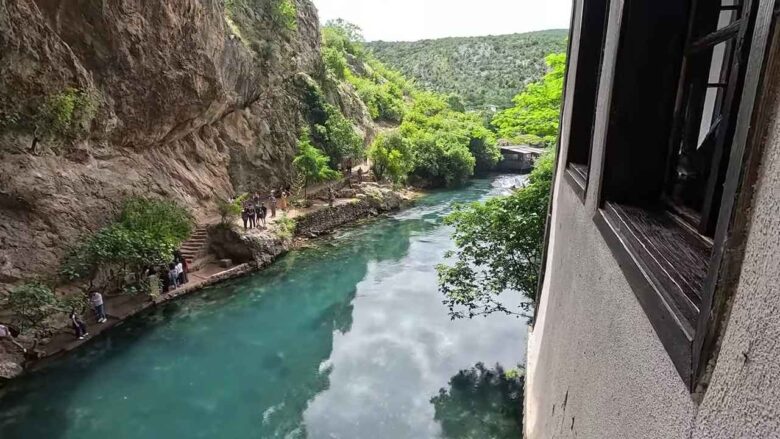
Mostar is packed with day-trippers until mid-afternoon, and then the tour buses leave. That’s the moment to be there. Walk across Stari Most around sunset, when the stone turns orange and the Neretva below looks almost green, then pick one of the restaurants on the terraces along the river. Staying the night in a small guesthouse in the old town makes all the difference, because the early morning is just as quiet.
Blagaj is about 20 minutes away by car. The Tekke, an old dervish house built right at the spring of the Buna river, is one of the most photographed places in the country, and in autumn you’ll often have the riverside cafés almost to yourselves.
If you have a spare day, Kravice waterfall is roughly 45 km south of Mostar. The official adult ticket is 20 KM. The water is too cold for most people to swim in October, but after the first autumn rains the falls are louder and fuller than in August.
Livno and Buško Lake – the quiet option
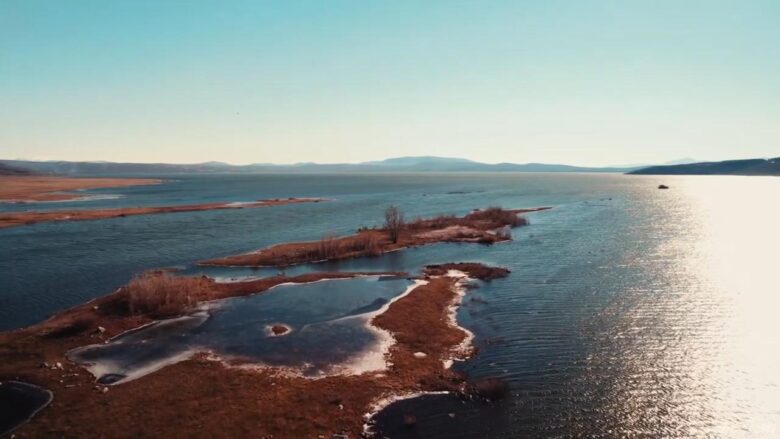
Few couples think of Livno, which is exactly why it works. The town sits on a wide karst field in western Bosnia and Herzegovina, and on the plateaus below Mount Cincar you can see herds of wild horses roaming freely.
It’s one of very few places in Europe where that’s possible. Go early in the morning or late in the afternoon, when the light is soft and the horses are more active. Bring binoculars, keep your distance and don’t feed them.
Back in town, try Livanjski sir, a hard cheese with a long local tradition and one of the oldest cheeses in the country. You can buy it straight from local dairies, and it makes a good souvenir because it travels well.
Walk up to the Duman spring in the centre and, if the weather holds, drive out to Buško Lake, a large reservoir that looks especially calm in autumn. Livno is roughly two hours from Split, so it pairs naturally with a few days on the coast.
Plitvice Lakes, Croatia
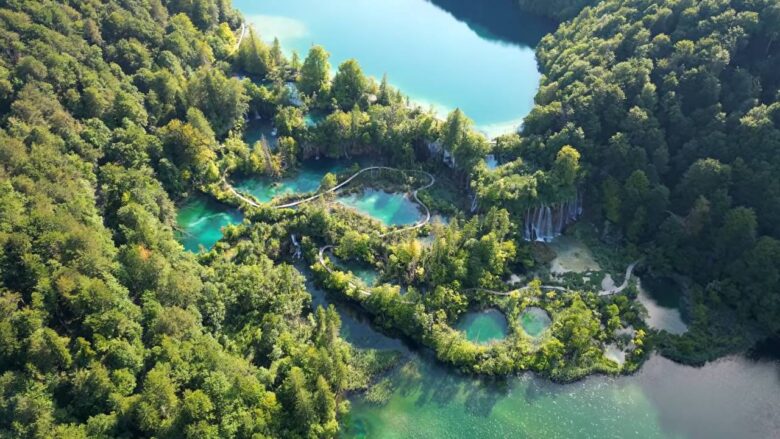
If you’re only going to see Plitvice once, October is the month. The beech and maple forests turn yellow and red, the water keeps its turquoise colour, and the park is noticeably calmer than in summer. The adult ticket in October is €23.50, compared to €40 in peak season, and it includes the electric boat across Lake Kozjak and the panoramic shuttle.
Plitvice is also featured in our guide to the best spots in Croatia, alongside Split, Rovinj and several other places worth a visit.
Entry is timed, so buy tickets on the official website (np-plitvicka-jezera.hr) rather than on lookalike sites. Plan four to six hours for a route that covers both the Upper and Lower Lakes.
From November the price drops to €10, but parts of the Upper Lakes can close because of ice, so late October is the safer choice. For a romantic overnight, stay in Rastoke near Slunj, a small village of old watermills built over waterfalls, about 30 minutes from the park.
Split and Trogir, Croatia
September and early October are the best weeks for the Dalmatian coast. The sea usually stays warm enough for a swim, restaurants are still open, and you can actually walk through Diocletian’s Palace in the evening without being pushed along. Watch the sunset from Marjan hill, which takes about 20 minutes on foot from the Riva.
For couples who prefer a private trip along the coast,
For couples who prefer a private trip along the coast, renting a yacht in Croatia offers another way to visit the islands and smaller coastal towns.
offers another way to visit the islands and smaller coastal towns.
Trogir is a small UNESCO-listed town about 30 minutes from Split, and it’s easy to reach by local bus or a seasonal boat. Spend an afternoon there, have dinner on the waterfront and head back. One thing to check before you go: ferry and catamaran schedules to the islands get shorter from October, so if Hvar or Brač are on your list, look at the timetable first.
If you have a little more time, an amazing sailing experience in Croatia could be another way to explore the Dalmatian coast before the season ends.
Bay of Kotor and Perast, Montenegro
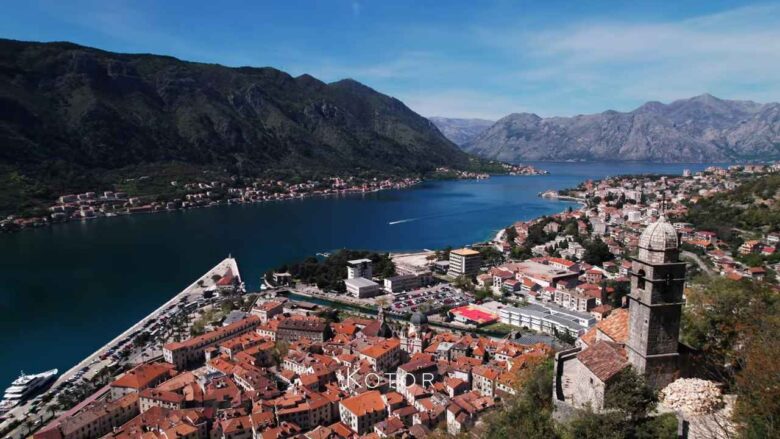
The Bay of Kotor looks like a fjord, and in autumn the mountains around it catch the low sun beautifully. Climbing Kotor’s city walls up to San Giovanni fortress costs €15 and means around 1,350 steps, so give yourselves two hours and wear shoes with good grip. Go at opening time or late in the afternoon.
For a slower evening, stay in Perast, a tiny village 20 minutes along the bay. Small boats take visitors out to the island church of Our Lady of the Rocks, and after the last boats return the village is almost silent. Cruise ships still dock in Kotor in October, so check the port schedule and plan your Kotor day for a date without ships.
Istria – truffles, wine and hilltop towns
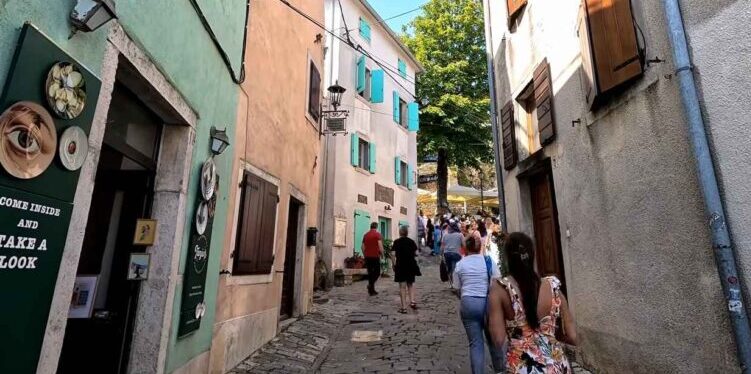
Autumn is truffle season in Istria, and that alone is a reason to go. The white truffle season starts in the autumn months, and the villages around Motovun and Livade organise tastings and truffle days on weekends.
You can join a truffle hunt with a local and their dog, which usually ends with a meal made from whatever you found. These tours fill up, so book at least a week ahead.
Split your time between Rovinj on the coast and one of the hilltop towns like Motovun or Grožnjan. Pair the food with local wines, a white Malvazija or a red Teran, which most restaurants serve by the glass.
Lake Ohrid, North Macedonia
Ohrid is the budget-friendly romantic option. The small church of St. John at Kaneo, perched on a cliff above the lake, is the classic sunset spot, and in autumn you won’t have to fight for a place to stand. Take a boat to the monastery of St. Naum on the southern shore, where the springs feeding the lake are some of the clearest water you’ll see anywhere in the region.
Accommodation and food cost noticeably less than on the Adriatic coast, and the old town keeps its cafés and restaurants open through October.
Practical tips for an autumn trip for two
- Travel midweek if you can. Weekend prices in Split, Kotor and Istria stay higher well into October.
- Check seasonal schedules. Boats, island ferries and some tourist shuttles cut back from October.
- Plan around shorter days. Clocks go back on 25 October 2026, and after that it gets dark by around 5 pm.
- Allow extra time at borders. Croatia is in the Schengen area and the EU Entry/Exit System now records non-EU travellers, so crossings between Bosnia and Herzegovina, Montenegro and Croatia can take longer.
- Know your currencies. Croatia and Montenegro use the euro, Bosnia and Herzegovina uses the convertible mark (KM), and North Macedonia uses the denar.
- Pack layers and a rain jacket. Coastal afternoons can be warm, while mornings in Plitvice or Livno can be close to freezing.
Frequently asked questions
Final thoughts
A romantic autumn trip in the Balkans doesn’t have to be complicated. Pick one coastal base and one inland stop, for example Split with Livno or Kotor with Mostar, and you get both sea and mountains in a single week.
Book Plitvice tickets and truffle tours ahead, keep a bit of cash for Bosnia and Herzegovina, and leave the evenings free. That’s usually when these places are at their best.