
Immerse yourself in the world of culinary arts as we delve into the process of dry aging beef, a centuries-old practice that transforms ordinary cuts of beef into tantalizing delicacies. This technique, deeply rooted in culinary traditions across the globe, holds the key to enhancing the flavor, tenderness, and overall quality of beef, promising a gastronomic experience like no other. So, let’s set out on this flavorful journey and understand the magic that unfolds during the dry aging process.
Contents
What is Dry Aging?
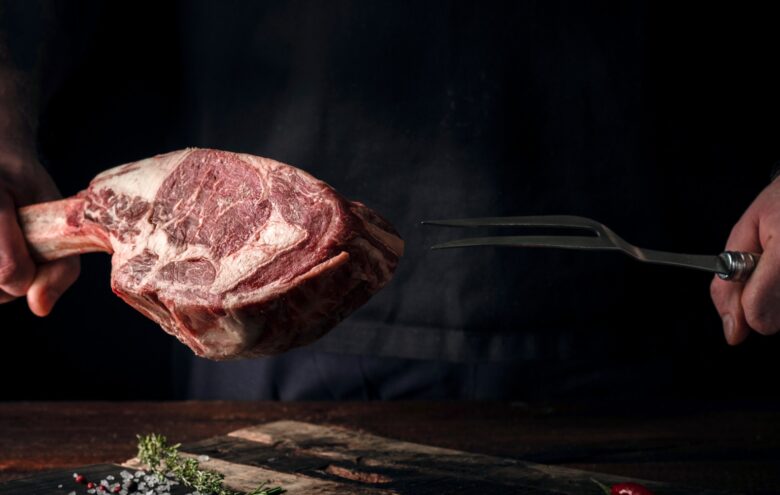
Dry aging is the process of allowing whole cuts of beef to rest in a controlled environment before they’re butchered and cooked. This time-honored technique traces back to the days when fresh meat was a rarity, and preservation was vital. However, our forebears soon realized that this process not only preserved the meat but also enhanced its flavor and tenderness.
It works by exposing beef to specific conditions that promote desirable physical and biochemical changes. These include moisture evaporation, enzymatic breakdown of muscle tissue, and the growth of certain molds on the surface of the meat, each playing a crucial role in the development of flavor and texture. Through this controlled process, an ordinary cut of beef metamorphoses into a succulent, flavorsome delight.
Source: canva.com
The Dry Aging Process
The dry aging process involves several key steps, governed by factors such as temperature, humidity, and duration. The meat is typically stored in a refrigerated room kept between 34°F and 38°F, with a relative humidity of around 75-85%. Airflow is also crucial to ensure even drying.
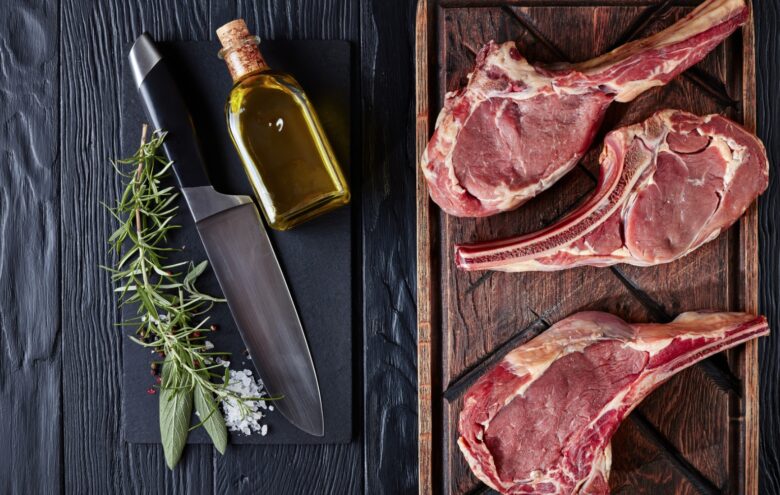
The process begins with selecting a high-quality, whole cut of beef, usually with a good amount of marbling and a layer of fat to protect the meat underneath. This piece is then placed in this environment for anywhere from 14 to even 100 days, depending on the desired intensity of flavor. Over time, moisture evaporates from the meat, the beef’s natural enzymes break down the muscle tissue, and a crust forms on the exterior, all of which contribute to a more intense beef flavor and a tender texture and the reception of the final product known as dry aged beef.
The Science Behind It
The process of dry aging is more than a culinary art—it’s a science. Three main factors drive the transformation in beef—enzymatic action, moisture loss, and the development of a crust on the meat’s surface.
First, enzymes within the meat—proteases and lipases—go to work, breaking down proteins and fats, respectively. This enzymatic breakdown results in the creation of smaller molecules that contribute to the beef’s intensified flavor.
Secondly, as the meat ages, it loses moisture. This dehydration process concentrates the beef’s flavors, leading to a richer, more robust taste.
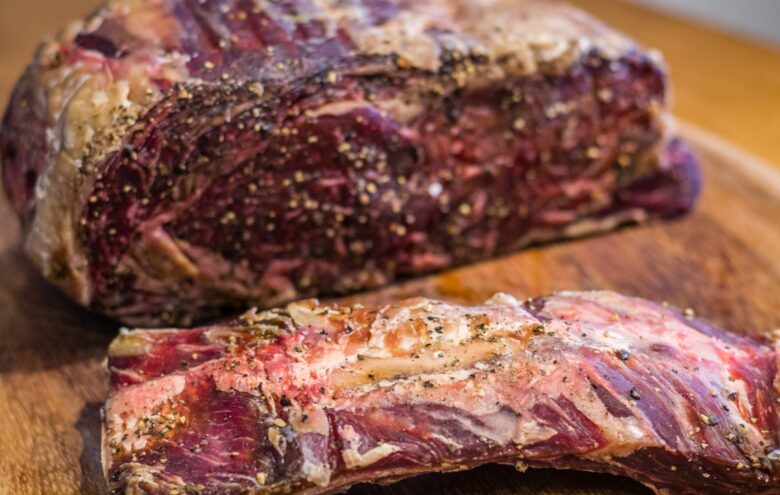
Lastly, a hard crust forms on the beef’s exterior due to the interaction of the meat with air and certain molds. While this crust is trimmed off before cooking, it plays a pivotal role in protecting the meat during aging and enhancing the overall depth of flavor.
Source: canva.com
Flavor Transformation
As the beef undergoes dry aging, it develops a complex flavor profile. It intensifies the meat’s natural beefy flavor and imparts a unique nutty, buttery note, often described as a distinct ‘funkiness’. The flavors become more pronounced due to the concentration of beef’s taste components through moisture loss and the breakdown of proteins and fats into flavorful amino acids and fatty acids. This process also triggers the production of glutamate, contributing to the umami flavor that dry-aged beef is so famous for.
Textural Enhancement
Dry aging doesn’t just improve the flavor of the beef—it also dramatically enhances its texture. During aging, enzymes in the beef work on breaking down collagen and muscle fibers, leading to a more tender texture. This enzymatic tenderization transforms the beef into a melt-in-your-mouth delight, adding to the luxurious experience of eating dry-aged meat.
Factors Influencing Dry Aging
The outcome of dry aging is influenced by several factors, including the quality of the beef, the selected cut, and the aging conditions. High-quality beef with good marbling yields better results, as the fat contributes to both flavor and tenderness. Cuts with a thick fat cap, such as ribeye or striploin, are ideal for this process as the fat protects the meat. The aging conditions—specifically temperature, humidity, and time duration—also play a vital role in the final product.
Source: canva.com
Dry Aging vs. Wet Aging
While dry aging enhances the flavor of the beef by concentrating its natural flavors, wet aging, another popular technique, primarily aims at improving tenderness. In wet aging, beef is vacuum-sealed and refrigerated for several days, allowing the enzymes to tenderize the meat without any moisture loss. While this method is more cost-effective and faster than the former, it doesn’t impart the distinctive flavor profile that dry-aged beef is known for.
Popular Dry Aging Methods
Several methods can be employed to dry-age beef, from traditional techniques to modern innovations. The most classic method involves aging the beef in an open-air environment under strict temperature and humidity control. Dry aging bags offer a more accessible method, enabling aging in a regular refrigerator by allowing moisture to escape while keeping harmful bacteria out. More recently, specialized fridges, equipped with precise controls for temperature, humidity, and air circulation, have made the process easier and more efficient for both commercial and home use.
Dry Aging at Home
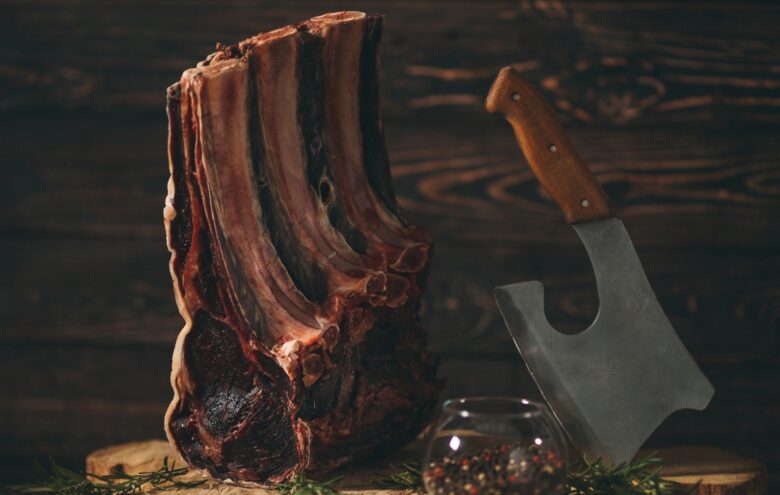
Dry aging beef at home can be an exciting and rewarding culinary adventure. Essential considerations include maintaining the right temperature and humidity and ensuring good airflow around the meat. Safety is paramount, so it’s crucial to start with a fresh, high-quality cut of beef. For beginners, cuts like ribeye or striploin, which have a substantial fat cap, are recommended as they’re more forgiving to minor fluctuations in aging conditions.
Source: canva.com
Culinary Applications of Dry Aged Beef
Dry-aged beef’s unique flavor and tenderness open up a world of culinary possibilities. This premium ingredient shines in various cooking methods—from grilling and roasting to searing and smoking. Whether it’s a dry-aged ribeye steak grilled to perfection or a succulent, roasted dry-aged prime rib, the nuanced flavors and tenderness of dry-aged beef can elevate any dish.
Conclusion
Dry aging beef is a transformative process, enhancing both flavor and tenderness and taking the humble beef cut to gastronomic heights. Understanding the science behind this technique, the factors influencing it, and the ways to experiment with it at home allows us to appreciate the artistry involved. So why not experience this culinary delight for yourself and discover the depth and complexity that dry aging brings to the table?