
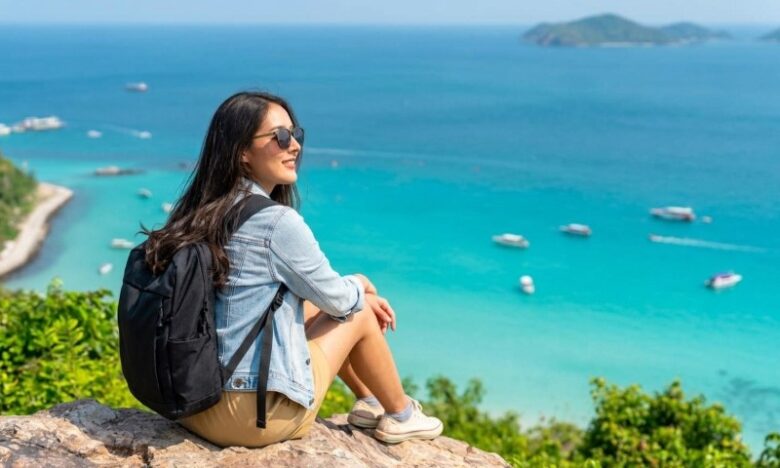
Solo travel is often sold as pure freedom: one ticket, one bag, no one else’s schedule, and full control over each day.
It promises independence, self-discovery, and the power to do exactly what you want.
Reality is more complicated for women traveling alone.
Let’s talk about it.
Safety Is Not Free
@diaryofhers ✩ 3 solo travel safety tips i think more people need to hear before their next trip ♡ download the free Airalo app and use my code CHARLENEM3 for $3 off your first eSIM purchase with @Airalo 🙂 keywords: solo travel safety tips · how to stay safe traveling alone · solo female travel tips · travel safety tips · solo travel essentials · staying safe abroad · solo travel advice · international travel tips · how to stay safe abroad · solo travel · solo backpacking · solo trip · solo female travel #solotraveltips #solofemaletravel #travelsafety
Cheapest options are not always realistic when you are alone, arriving late, carrying luggage, or judging a new city after dark.
Safer choices often include:
- Better-located accommodation instead of a cheaper room in an isolated area
- Taxis, airport transfers, or ride-shares after dark
- Daytime flights instead of cheaper late-night arrivals
- Travel insurance, eSIMs, power banks, safety apps, and portable door locks
A dead phone or lack of data can become a safety risk in an unfamiliar place.
That concern is not abstract. In a 2025 solo female travel survey, 66% of women said they worry about safety when traveling solo, while 25% said they had already ended up in a dangerous situation during a solo trip.
Many solo women budget for a “safety tax.”
Extra money lets them choose the safer option without hesitation. If a bus feels unsafe, they can call an Uber.
If a hostel feels wrong, they can book a hotel. If a street or person feels off, they can leave without worrying about every dollar.
One traveler learned not to choose cheap over safe after getting lost on a London night bus. After that, she paid more for hotels and tours when they felt safer.
Many experienced solo women follow the same rule: never compromise safety just because something costs less.
Earning While Traveling Is Not Effortless
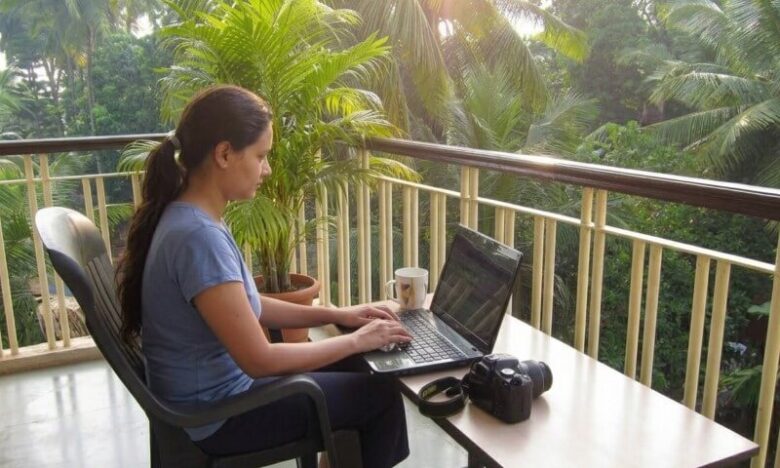
Solo female travel often looks like unlimited movement, but long-term travel usually requires money coming in while the trip is happening.
Just to know, 18.1 million American workers described themselves as digital nomads, equal to 11% of U.S. workers in 2024.
Income can come through different kinds of work:
- Freelance projects
- Remote jobs
- Seasonal work
- Content creation
- Online teaching
- House sitting
- Pet sitting
- Short-term gigs
- Remote travel agent
Work has to fit around flights, check-ins, time zones, Wi-Fi access, power outlets, and safe places to sit with a laptop.
Solo women also have to think about where they work. Staying late in a café, walking back after dark, or carrying expensive gear can create safety concerns.
Sometimes the safer choice is a private room, a coworking pass, or accommodation with reliable Wi-Fi, which adds more cost.
Content creation may require filming, editing, posting, pitching, and managing comments instead of simply enjoying a place.
Travel-advisor education can also be part of that income path since programs such as Yeti Travel train people to become remote travel agents, giving them support, booking tools, and commission-based opportunities.
However, reporting on former digital nomads has documented problems such as unstable infrastructure, loneliness, health strain, and pressure to perform a polished version of life online.
Planning Everything Alone Costs Time and Energy
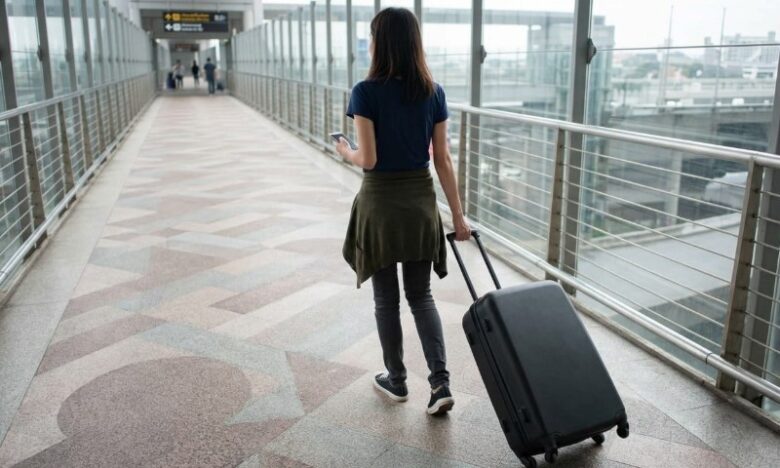
Solo travel looks spontaneous, but women often prepare heavily before arrival.
Planning often includes several checks that most travel photos never show:
- Researching neighborhoods before booking
- Reading accommodation reviews for safety signals
- Checking arrival times and airport transfer options
- Downloading offline maps
- Learning local customs, common scams, unsafe areas, and transport risks
- Setting up check-ins with someone back home
Arrival time matters.
Daylight matters because safety concerns change after dark.
UK national data found that women felt less safe than men in all settings after dark, and three in five women aged 16 to 34 had experienced at least one form of harassment in the previous year.
Late arrivals can intensify the exact worries solo travelers already name most often:
- Walking alone at night
- Staying somewhere unfamiliar
- Handling airports or public transportation without a companion
Cheap late-night flights can cost more later. One traveler was stranded in Dubai and Guatemala City after late arrivals.
In Guatemala, the airport was almost empty and the last shuttle had already left, so she paid for a private 45-minute ride to Antigua.
Freedom to go anywhere often depends on invisible planning: saved maps, backup cash, emergency numbers, safer routes, and exit plans.
Traveling Alone Costs More
Solo travelers cannot split many expenses.
Costs that often fall on one person include:
- Hotel rooms and private rooms
- Taxis and airport transfers
- Tours and guides
- Luggage storage
- Meals
- Emergency accommodation changes
Solo women also may avoid the cheapest choice when it feels unsafe. That creates a single-person tax.
Consumer research has put numbers behind that problem, finding solo travelers can pay up to 87% more per person than people traveling as a pair.
Couples and groups can divide room costs, rides, transfers, and sudden changes.
Solo women often pay full price alone, especially when safety makes cheaper options less practical.
Budgeting also includes travel insurance, eSIM data, safety gear, backup cash, and cloud copies of passports and credit cards.
Hidden cash and saved emergency numbers can make a crisis easier to handle.
Solo female travel budgeting is not only about trip cost. It is also about having enough money to avoid being trapped in an unsafe option.
Being Your Own Backup Plan Is Exhausting
Solo freedom means solo responsibility. Every route, room, transfer, document, phone battery, and exit plan becomes your job.
That can build confidence, but it also creates pressure.
A solo woman has to stay alert, judge people quickly, make decisions under stress, and solve problems alone.
When traveling alone, you become your own first responder, navigator, and bodyguard.
You monitor your bag, your phone, your surroundings, your hotel location, and your way out.
Preparation helps, but it cannot control everything. Some risk comes down to gender-based violence and luck.
UN Women describes sexual harassment and sexual violence in public spaces as an everyday reality for women and girls around the world.
A woman can plan carefully and still face danger she did not cause.
Pressure often builds through small tasks that never fully stop:
- Checking battery percentage
- Watching bags in crowded areas
- Confirming routes before leaving
- Noting exits in unfamiliar places
- Keeping documents secure
- Deciding when to trust or avoid someone
Freedom can feel powerful, but constant alertness can also be draining.
Freedom Can Be Lonely

You can eat when you want, wake when you want, change plans, skip activities, and follow your own pace.
Control can also feel lonely. Eating alone may feel awkward. Making every decision alone can become tiring.
We can see that a 2026 solo travel survey found that 23% of Americans who had not traveled solo named fear of being alone as a top barrier.
A beautiful view can feel incomplete without someone to share it with. Stressful moments can feel heavier without support.
Connection is still possible. Conversations with locals, especially women, can offer comfort and safety.
Other solo travelers are often easy to recognize. A short café conversation can make you feel less alone.
Several low-pressure ways can make the connection easier:
- Walking tours on the first day
- Cooking classes
- Yoga classes
- Dance classes
- Casual café conversations
- Dinner with another solo traveler after trust is built
A walking tour on day one can also help you learn safer areas and maybe meet someone for dinner.
Still, connection requires caution. A solo woman has to judge who feels safe, what to share, and when to leave.
Loneliness is not constant, but it is part of the cost.
FAQs
Closing Thoughts
Solo female travel is freedom, but it is not free.
Every choice carries extra weight: where to stay, how to get back at night, how much cash to keep aside, and when to leave a place that feels wrong.
Still, the reward is real. Solo travel can make a woman sharper, braver, and more trusting of herself.
Actual freedom comes when she knows the costs, prepares for them, and chooses the trip with open eyes.