Traditional advertising still works in 2026 because it builds brand awareness, credibility, and recognition among specific customer groups.
Physical ads, local media, mailed offers, live events, and in-store promotion still reach people during daily routines.
Strong campaigns now connect traditional promotion with digital tracking and clear follow-up.
Traditional ads work best as part of a larger marketing system.
A billboard can lead to a local offer, a flyer can send people to a booking page, and an event can create an email follow-up.
Clear next steps matter more than broad exposure alone.
In-Store Promotions
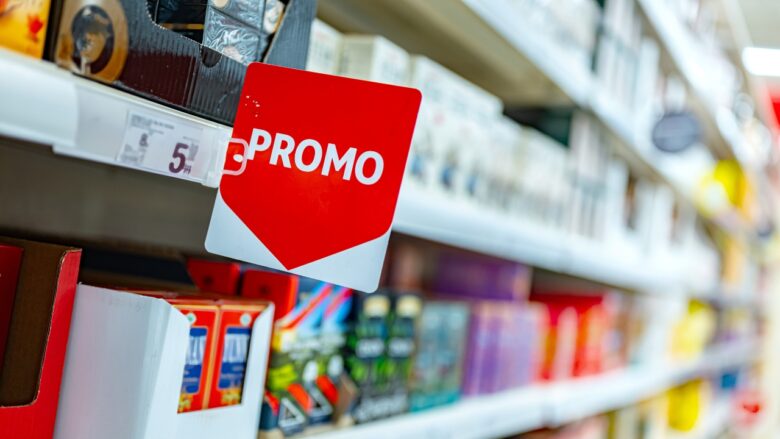
In-store promotions include window signs, product displays, samples, coupons, loyalty cards, checkout offers, shelf signs, packaging messages, and point-of-sale materials.
They work because they reach customers close to the purchase decision.
A shopper already inside a store is comparing options or preparing to buy. A clear display, sample, discount, or checkout offer can influence the final choice.
QR codes can connect in-store attention to digital action.
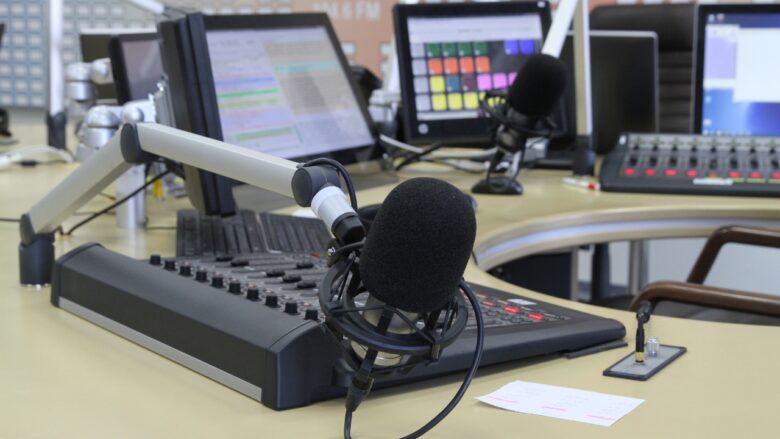
Custom visual signage can also turn a storefront, checkout area, event booth, or photo wall into a stronger branded touchpoint. If you want signage matching brand colors, wording, and space, you can design your own neon sign using custom text, font, color, and size options. Brand identity should stay consistent across storefronts, employee uniforms, social posts, packaging, printed materials, and customer communication. Consistency helps people recognize the business faster across each touchpoint. It works because physical materials can stay with customers longer than many digital ads. Strong use cases include local promotion, real estate, healthcare, B2B sales, community events, older demographics, and premium providers. A polished brochure can explain a high-value offer, while a direct flyer can push traffic to a local event or store. In 2026, print needs quality more than volume. Better materials, sharper design, short copy, and one clear call to action make printed pieces more useful. Printed materials should not ask customers to do too much. One message and one next step usually work better than crowded layouts. Direct mail includes postcards, coupons, catalogs, letters, neighborhood mailers, and promotional packages. It works because businesses can target homes, neighborhoods, customer groups, or past buyers with specific offers. Personalization makes direct mail stronger. Customer names, location-based offers, purchase history, and loyalty data can make a mailed piece feel more relevant. First-party data is more important in 2026 because businesses rely more on information collected directly with customer consent. Direct mail fits that shift when it uses customer records, loyalty activity, opt-in data, and past buying behavior responsibly. Direct mail works best when it connects to a landing page, email sequence, loyalty offer, or sales follow-up. A mailed coupon should start a measurable path, not end the conversation. Radio advertising works well for local promotions, commuter audiences, repeated brand reminders, and simple offers. Repetition helps people remember a name, slogan, location, or phone number. TV advertising works well for broad awareness and emotional storytelling. Video can show a problem, solution, product, customer reaction, and brand personality quickly. Traditional media still carries credibility because TV, radio, print, and billboards feel established to many audiences. Local businesses can benefit when customers see or hear them in familiar media channels. In 2026, radio and TV ads should also work across digital channels. A TV commercial can become short videos for social media, streaming platforms, websites, and email campaigns. A radio ad can become an audio clip for podcasts or local streaming placements. Short-form video habits have changed how ads need to open. Video ads should communicate the main hook within the first three seconds because many viewers decide quickly if they will keep watching. AI video tools are improving, but creative direction still matters. Strong story, clear messaging, brand voice, and emotional relevance matter more than production speed alone. Event marketing and sponsorships include trade shows, local festivals, charity events, pop-up activations, community sponsorships, workshops, and product demonstrations. They work because people often trust brands more after meeting them in person. Live interaction helps customers ask questions, test products, collect samples, speak with staff, and experience a brand directly. For local businesses, events can build trust faster than ads alone. Modern events work better when physical interaction leads to digital follow-up. Event goals should focus on trust before immediate sales. Many attendees are meeting the brand for the first time, so helpful conversations, useful demonstrations, and simple next steps usually work better than pressure. Measurement should continue after the event. Businesses can track sign-ups, redemptions, booked calls, email engagement, and later purchases tied to event leads. Promotional products include branded pens, tote bags, shirts, mugs, product samples, packaging inserts, notebooks, stickers, and loyalty items. They work because useful items keep the brand visible after the first interaction. Practical value matters. Customers keep items they can actually use, and every use creates another reminder of the brand. QR codes, NFC tags, and custom URLs can turn physical items into measurable campaign tools. A tote bag can lead to a discount page, a product sample can link to a tutorial, and a packaging insert can send buyers to a loyalty program or review page. Many consumers increasingly prefer brands that show social and environmental responsibility, so reusable, recycled, and durable items can support a stronger image. Word-of-mouth promotion includes customer recommendations, testimonials, employee advocacy, reviews, social sharing, and referral rewards. It works because people often trust real people more than polished brand accounts. Younger audiences especially tend to value practical opinions, peer recommendations, creator reviews, and everyday product experiences. A real customer or employee can often explain value in a more believable way than a brand post. Employees often know the product well, can explain it clearly, and can make brand communication feel more human. Referral programs should be simple to use and easy to track. Traditional promotion still works when it is simple, local, memorable, and measurable. Physical advertising can build awareness and trust when it reaches people in the right place at the right time. Best results in 2026 come through connecting traditional reach with digital measurement. The main goal is not advertising for attention alone. Every campaign should help customers take the next step clearly and easily.Print Advertising
Print advertising includes flyers, brochures, magazines, newspapers, business cards, catalogs, menus, and printed handouts.Direct Mail
Radio and TV Advertising
Event Marketing and Sponsorships
Promotional Products
Word-of-Mouth and Referrals
Summary