
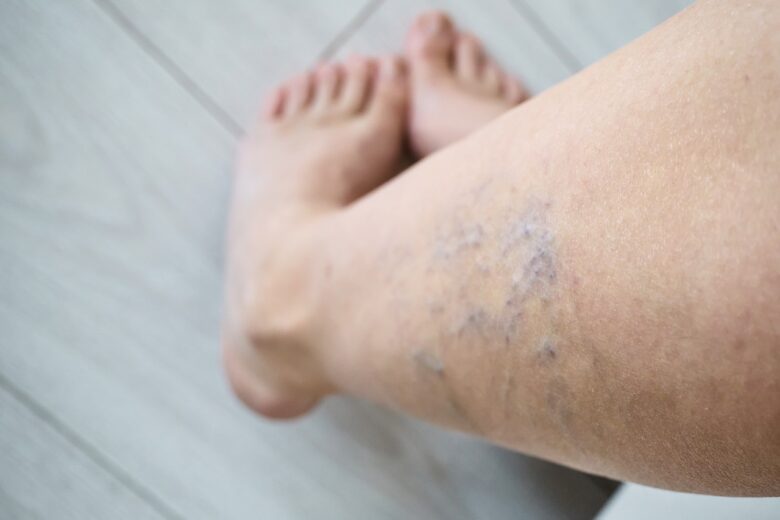
Your legs feel heavy. Like they’ve been working all day when you’ve mostly been sitting. You pull off your socks. Grooves everywhere. Your veins look way more visible than they used to. And you think, okay, this is just aging. Everyone’s legs feel terrible sometimes, right? Wrong.
Venous insufficiency sneaks in quietly. Nobody wakes up unable to walk. It just shows up so gradually you don’t notice. Your body sends signals but you’re too busy thinking “getting older” to actually listen. That’s the trap. You adapt. And by the time you realize something’s genuinely wrong, months have passed.
That’s why understanding these signs matters. Knowing when to seek vein treatment near me can prevent serious complications down the road. Catching this early changes everything.
But first, do you know what these warning signs actually are?
Heavy Legs in the Afternoon
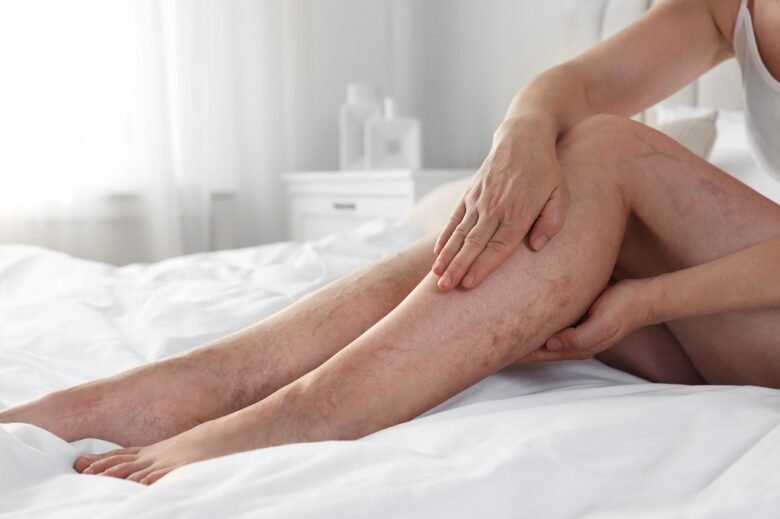
Same time every day. Around 3 or 4 PM your legs feel like dead weight. Not painful. Just exhausted. Heavy. You want them elevated immediately. The weighted feeling won’t go away.
Your veins have tiny valves. They pump blood back toward your heart. When they work, no problem. But when they break down, blood pools in your legs instead. Creates this awful sluggish sensation. It gets worse as the day goes on. By evening you’re done. You throw your legs up on the couch and finally get relief. Temporary relief. Tomorrow at 3 PM it happens again.
The problem is how normal it feels. So you blame your shoes. Or lack of exercise. Until it’s every single day. That’s when you realize this isn’t aging. This is circulation failing.
Swelling That Leaves Dents
Your ankles puff up. You assume salt or hormones. Then you press your thumb into the swollen part. The dent stays. Like an actual thumbprint. This is pitting edema. It’s different from regular bloating. This gets worse during the day and better when you sleep with your legs elevated.
Fluid gets trapped because your veins can’t pump it back out. Your circulation’s broken.
Over time the swelling damages tissue underneath. Gets harder to reverse.
Your Skin is Changing
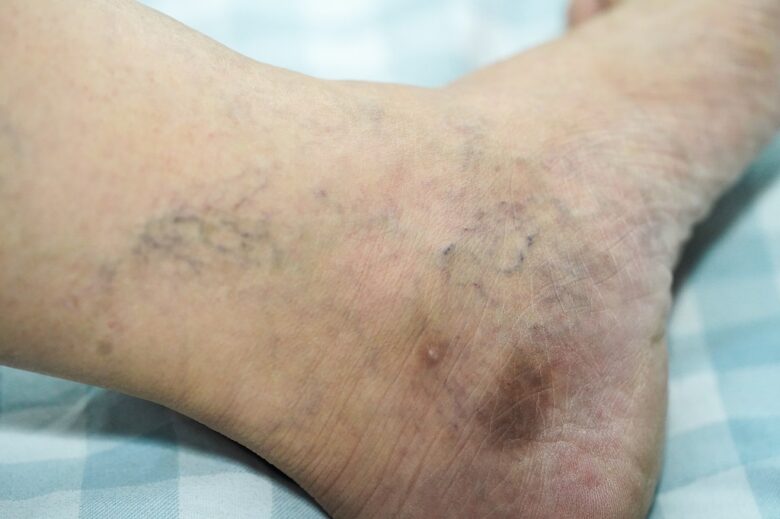
Your lower leg looks different. Darker patches appear. The texture feels weird. Thick. Leathery. Painful sores that linger and show no signs of recovery.
You might see:
- Discolored patches that won’t fade
- Thick texture that feels abnormal
- Wounds that absolutely refuse to heal
- Crazy itching and dryness
- Shiny, abnormal-looking skin
The skin shows what’s broken underneath. Poor circulation means no oxygen. No nutrients. Skin breaks down. It can’t heal itself. Wounds just linger. Let this go long enough and minor discoloration becomes serious ulceration.
Your Veins Are Way More Visible
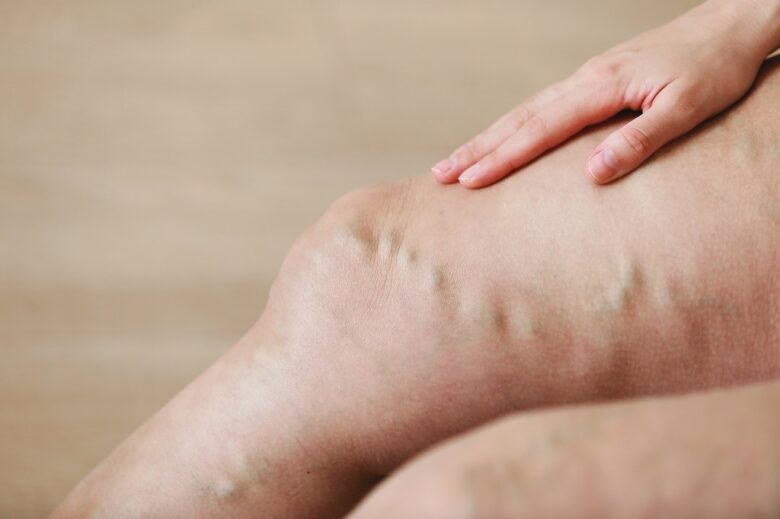
Bulging veins. Twisted. Ropey. Most people think cosmetic. That’s actually not the story. Bulging veins mean your venous system is under pressure. Valves aren’t holding. Blood gets trapped. The veins distend and enlarge because they’re holding way more blood than they should. This isn’t vanity. This is your body saying something’s broken inside.
Restless Legs at Night
You’re trying to sleep. Your legs keep moving. They want to move. Need to move. Sharp cramps wake you up. Tingling makes sleep impossible. Something’s crawling underneath your skin.
What it feels like:
- Cramps that jolt you awake
- Pins and needles sensations
- Bizarre urge to constantly move
- Tightness that stretching doesn’t help
- Discomfort that only stops when you walk
Circulation problems cause this. Blood doesn’t flow right. Nerves get irritated. Restlessness follows. And that’s terrible because sleep is when your body repairs itself.
Open Sores That Won’t Heal
@optimaveincare This patient thought nothing could br done for her lesion! This appears to be a venous stasis ulcer. OUR MOTTO “CURE the Reflux – CURE the Wound” #guidewire #varicoseveins #veindoctor #ultrasoundguidedsclerotherapy #varithena #evlt #sclerotherapy #varicoseveins #venousstasis #legpain #ulcer #lipodermatosclerosis ♬ original sound – OPTIMA VEIN CARE
This is the serious stage. The skin actually breaks down. Open sores appear. Venous ulcers. Usually on the lower leg. These aren’t regular cuts. They don’t heal quickly because your veins aren’t delivering enough blood and oxygen to the wound.
The area feels warm. Swollen. Sometimes drainage. Without treating the actual vein problem, these ulcers stick around for months. Years sometimes. If you’re seeing any open sores that won’t heal, get evaluated now. Vein treatment stops minor skin changes from becoming this nightmare.
Why Waiting Around is the Worst Decision
Venous insufficiency gets progressively worse. That’s it. You catch early symptoms. They feel manageable. So you do nothing. Time passes. Your body adapts. Then everything falls apart. Sores show up. Swelling becomes painful. Blood clots become a real concern.
Early action works. Getting on this early prevents things from spiraling out of control. It stops progression before treatment becomes complicated. Your legs carry you everywhere. They deserve attention before warning signs turn into serious damage. That’s why vein treatment is typically linked to catching things early, before they spiral.
If you’re dealing with multiple warning signs, do something now. Get evaluated. Early treatment is less invasive and more effective. It saves you years of gradual decline. Take it seriously. Future you will be grateful.
Frequently Asked Questions