
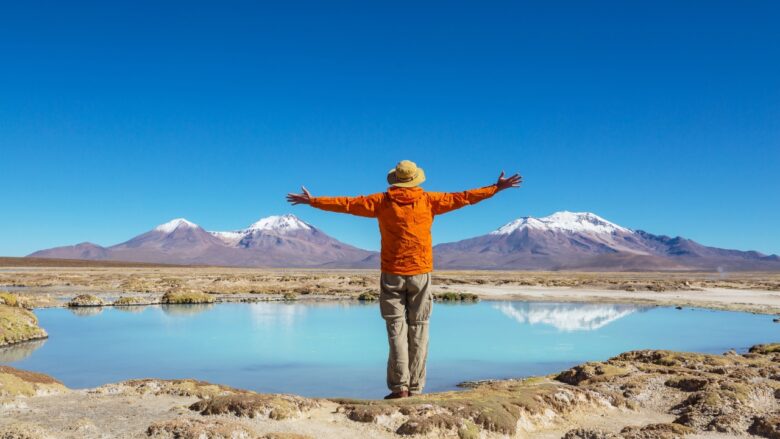
South America was not just a place on a map. It became a teacher, one who used people, places, delays, mistakes, and quiet moments as lessons.
People taught me connection, generosity, resilience, courage, and openness.
Places taught me wonder, contrast, humility, and perspective.
Patience taught me trust, flexibility, acceptance, and the ability to let life unfold without forcing every detail into a plan.
South America showed me that travel is not only about counting countries, taking photos, or reaching famous sites.
It is about learning how to live with courage, gratitude, humility, and presence.
Strangers Can Become Teachers
Traveling through South America changes how a person sees strangers. On the road, an unfamiliar person can become a helper, guide, friend, or source of courage. Brief meetings can leave lasting lessons.
Kindness among locals and fellow travelers
Across South America, strangers often became friends, helpers, guides, and sources of inspiration.
A person met on a bus, at a hostel, in a market, or on a trail could change an entire day.
Many travelers go there expecting scenery, history, and adventure, yet leave remembering people who helped them, welcomed them, or made them feel less alone.
One traveler spent January to May moving across six countries: Nicaragua, Costa Rica, Panama, Colombia, Ecuador, and Peru.
During that time, she met many people across the world, tasted new foods, walked through cities, and filled her days with active experiences.
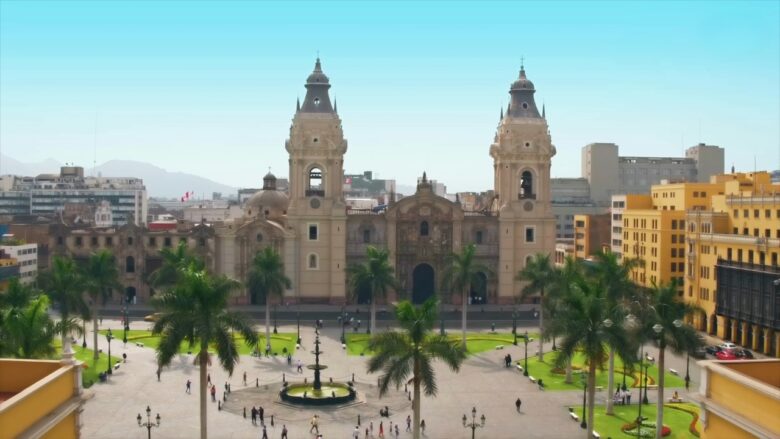
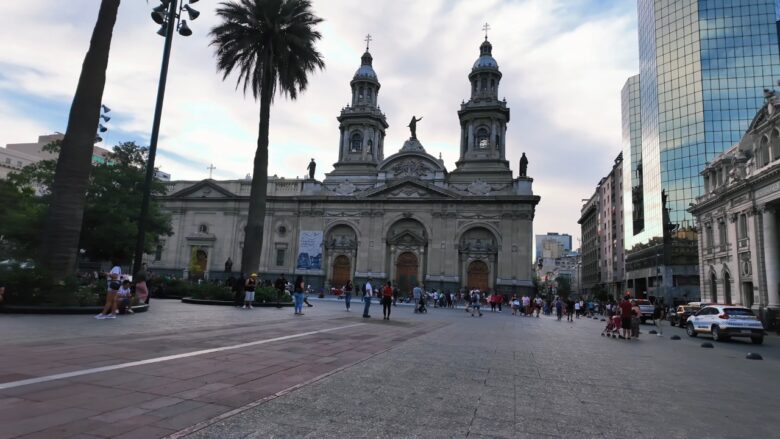
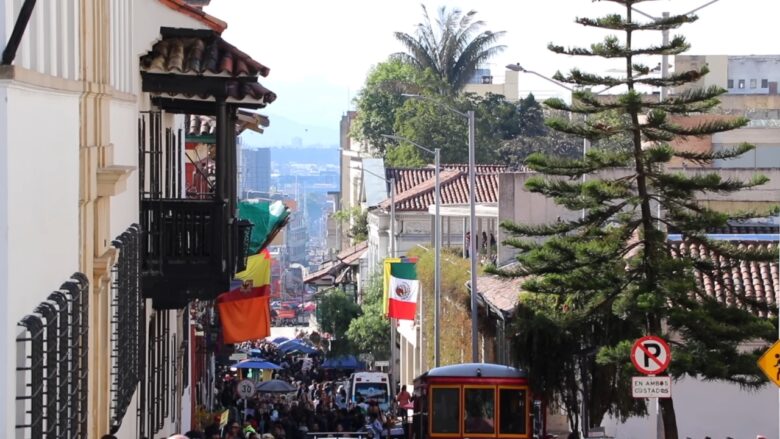
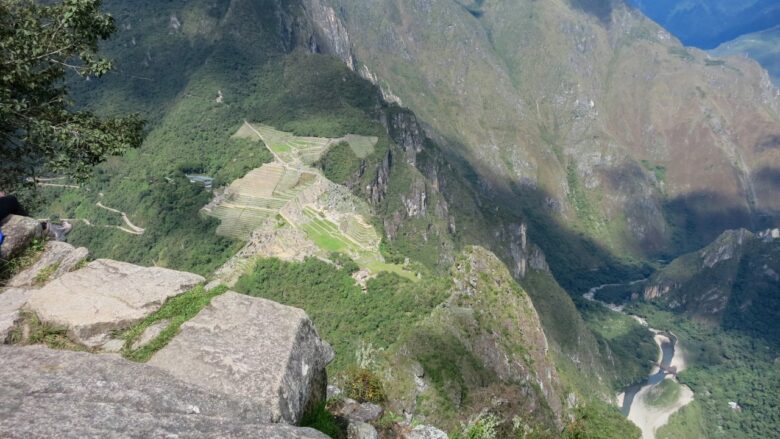
Local kindness often went past directions or tourist advice. Locals shared family stories, recipes, memories, laughter, and personal views of life. Some welcomed travelers into their homes. Others explained traditions or helped stressful moments feel lighter. One strong example began with a conversation on a bus in Peru. A traveler spoke with a man who was traveling alone while reconnecting with his roots. That conversation led them to hike Machu Picchu together. Openness changed the day, and a stranger became part of an unforgettable memory. Travel also shows that people cannot be reduced to simple stories. A city can be joyful and wounded at the same time. A neighborhood can show creativity while also showing inequality. South America often asks travelers to hold more than one truth at once. South America cannot be reduced to tourist images, stereotypes, or fear-based assumptions. Many places carry painful histories and visible struggles, yet people continue to build, create, laugh, protest, and keep going. Culture, art, nature, music, and food can exist beside poverty, anger, inequality, and political tension. Valparaíso, Chile, shows that contrast clearly. Bright colors, murals, cable cars, political expression, and creativity fill the city. At the same time, wealth gaps, protest, anger, and hardship are visible. A traveler who only looks for pretty views misses part of the truth. A traveler who only looks for struggle misses the creativity and strength that also live there. Medellín, Colombia, offers another example. Once connected in many minds with chaos and violence, Medellín later became known for entrepreneurship, art, community rebuilding, and public creativity. Comuna 13 shows change through murals, music, movement, and community pride. Its streets teach that people are shaped not only by what happened to them, but also by how they respond, rebuild, and keep going. Meaningful connection often begins in uncomfortable moments. Travel can place a person in situations involving unfamiliar language, confusing schedules, safety concerns, loneliness, or cultural uncertainty. Those moments can feel difficult, but they can also create courage. Travel often pushes people outside their comfort zone. Language barriers, unfamiliar customs, loneliness, safety concerns, and unexpected problems can make a traveler feel uncertain. Yet those same moments can build confidence. A traveler in Peru, Chile, and Argentina described courage as the main virtue behind her travel lessons. Courage appeared in many forms: climbing Waynapicchu, traveling alone despite her mother’s fears, practicing Spanish, being a Black woman traveling solo, and choosing experience over appearances. Discomfort also shaped growth during long-term travel. Broken buses tested patience. Difficult hikes tested strength. Language barriers tested confidence. A missed plan, a hard trail, or a confusing conversation can become a lesson in self-trust. Places can teach through scale, sound, color, weather, food, and movement. A city square, mountain path, night sky, crowded market, or bus window can change how a traveler thinks. Famous sites can be powerful, but ordinary moments often create a stronger reflection. A Chilean photography tour, for example, could teach a traveler to notice street art, public squares, daily movement, color, protest signs, architecture, and small human moments that a quick visit might miss. Eating local food, hearing accents shift, getting lost, waiting for transportation, talking to strangers, and watching daily life can teach us as much as any famous view. In Lima, an Afro-Peruvian drum class taught one traveler to move to her own rhythm. In Santiago’s Plaza de Armas, sitting still for hours and watching people, birds, and buildings raised her awareness. In a Peruvian market, cow mouths for sale made her think about waste, including wasted time, money, talent, effort, and words. Travel also made the world feel big and small at once. Travelers might meet the same people again in different cities, yet still realize that weeks or months in one country may leave countless roads, towns, meals, and conversations untouched. South America cannot be reduced to one image, one country, one culture, or one story. Languages, idioms, accents, slang, rhythms, and intonations shift across the continent. Nine Spanish-speaking countries share space with Portuguese and French influences. Even familiar words can sound different depending on region, tone, and local habit. Such variety teaches travelers to stop assuming and start paying attention. A person may enter one country thinking they know what to expect, then cross into another and notice changes in food, pace, speech, weather, music, and daily habits. One traveler spent four months moving through several countries and still realized she had only seen a tiny portion of the world. She could have spent much more time in those same places and still not seen all they had to offer. That realization turns travel away as conquest and closer to gratitude. Natural settings can make personal worries feel smaller. Mountains, deserts, rain, stars, beaches, valleys, forests, and cities can alter how a person sees life. South America gave one traveler mountains and stars, desert and rain, salsa, and a human connection after heartbreak. Movement through places helped her feel alive again. Nature did not erase pain, but it gave space for healing. Baños in Ecuador offers one example. Travelers can cycle to waterfalls and hike to giant swings, where motion, height, water, and green views create wonder. Uyuni Salt Flats in Bolivia give another. Sky and earth seem to meet there, and at night the Milky Way can appear clearly for travelers patient enough to stay after sunset. Machu Picchu also teaches perspective. After climbing Waynapicchu for an iconic view, one traveler found clouds blocking the photo she wanted. At first, that felt disappointing. Later, it became a lesson. Experience mattered more than the picture. Steps, effort, air, silence, and presence had value even without the perfect image. Control can feel necessary before a trip begins. A traveler may want clear plans, smooth transportation, perfect timing, and predictable days. South America often teaches that plans help, but they cannot prevent every delay, wrong turn, cloudy view, or difficult moment. Travel rarely follows a perfect schedule. Buses break down. Hikes become harder than expected. Clouds cover famous views. Language barriers appear at difficult times. Transportation runs late. Plans that looked simple in the morning may become complicated by the afternoon. A broken bus can test patience. A difficult hike can test strength. A struggle to communicate in another language can test confidence. Such problems are not just interruptions. They are part of travel education. Waynapicchu gave one traveler a clear image of patience. While climbing, she reached step 654 and kept wanting the final step. Then she realized that longing for the end made no sense if she was not taking the step in front of her. Progress required attention to the present step, not obsession with the finish. Machu Picchu added another lesson. Clouds blocked the famous view on the first visit, but a guide advised her to go twice. Because she listened, she later saw Machu Picchu on a clear day. Waiting did not ruin the experience. Waiting made the clear view feel earned. Patience is not only about delay. It is also about attention. Travel teaches people to notice where they are instead of living only in the next plan. Travel encourages a slower and more flexible way of thinking. Instead of planning every hour, a traveler learns to value spontaneity. Some days begin without a fixed plan. A person may not know which city, meal, path, or conversation will come next. One traveler said she would miss waking up without a plan and not knowing which city she might visit next. Travel taught her to appreciate the moment and live for the day. Another traveler carried a similar lesson after confusion and heartbreak. When life felt uncertain, she redirected energy to the present because she knew she would never fully figure life out. Patience became less about waiting for perfect answers and more about accepting the day in front of her. Uncertainty can feel frightening because it removes control. Travel can make uncertainty feel less like failure and more like part of life. Missed plans may lead to better conversations. Delays may create new chances. Pain may not disappear quickly, but joy can still arrive unexpectedly. South America also taught that uncertainty does not have to be frightening. One traveler felt that the trip gave her things she never asked for and never expected: friendships, moments of wonder, spontaneous adventure, dancing, nights under the stars, and renewed happiness after heartbreak. After returning home, she realized happiness could still arrive unexpectedly. Life gave more than she had planned. Travel did not teach patience by making everything easy. It taught patience by showing that confusion can still lead to joy, and that delays can still carry gifts. Hope becomes part of patience. Believing that the best days have not happened yet changes how a person moves through uncertainty. Waiting no longer means standing still. It means trusting that life can still offer surprise, healing, and joy at a time no one can predict. Travel does not end when a person returns home. Experiences keep shaping how someone thinks, reacts, spends money, speaks to strangers, handles fear, and values time. South America’s lessons continue because they are about more than places visited. They are about courage, gratitude, and patience. Travel reveals who a person is when familiar routines disappear. Without usual comfort, a traveler meets fear, courage, limits, adaptability, and resilience more directly. A language barrier reveals humility. A missed or broken bus reveals patience. A difficult hike reveals endurance. A kind stranger reveals trust. A cloudy view reveals if a traveler values the experience or only the photo. Gratitude grows when travel changes what a person values. A traveler may begin by wanting excitement, photos, or escape. Over time, smaller things begin to matter more: a safe bus ride, a warm meal, a kind conversation, a clear morning, a song, or a place to rest. Gratitude often grows when travel shows that happiness does not need to be expensive, perfect, or planned. After heartbreak, one traveler felt changed, recharged, and renewed by South America. Long-term travel also shows that money and time can be used to gain knowledge about the world, other people, and the self. Experiences can matter more than possessions. Moments can matter more than perfect plans. A person may return with fewer things but more courage, patience, and gratitude. Returning home can be harder than expected. A person may come back with new ideas, confidence, and questions, while familiar surroundings seem unchanged. Growth can make ordinary life feel different. Coming home felt strange for one traveler because she had changed while people around her had not. That made home difficult at first. Growth can create distance, even in familiar rooms. Another traveler ended one trip feeling that a larger path had just begun. Ending travel did not close the lesson. It created more curiosity and motivation to keep seeing, learning, and growing. Physical movement may stop, but the lessons continue inside daily choices. South America taught that people can be generous and complex, places can be layered and alive, and patience is necessary for growth. Travel there taught through people, discomfort, spontaneity, challenge, culture, language, pain, beauty, courage, and waiting. A bus conversation in Peru became a reminder to stay open. A difficult climb at Waynapicchu became a lesson in taking one step at a time. A cloudy view at Machu Picchu became proof that experience matters more than the perfect photo. A city like Valparaíso showed color and hardship at once. A place like Medellín showed rebuilding through art and community. A night at Uyuni Salt Flats showed that patience can reveal stars.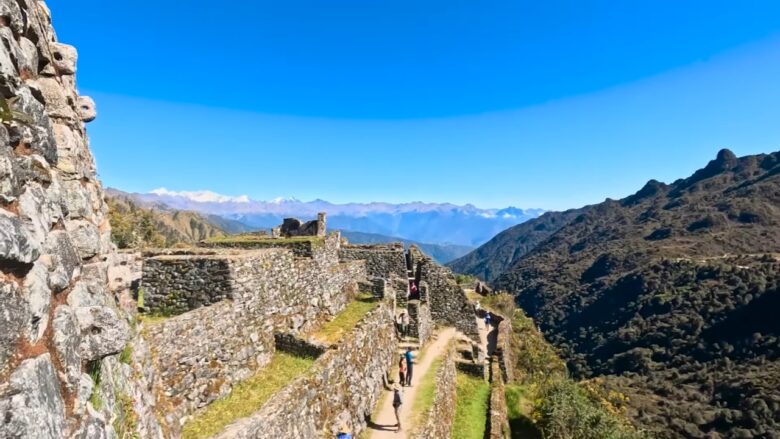
Beauty and struggle shape people together
Connection matters more than comfort
How Places Can Change Vision
A place is more than its postcard image
South America’s variety teaches humility
Nature creates perspective
Travel Teaches You to Let Go of Control
Changed plans become part of the lesson
Patience means living in the present
Patience means trusting life’s timing
Changed by Travel
Pressure reveals character
Gratitude becomes easier
Travel continues after coming home
Summary