

A home can look clean, updated, and move-in ready while hiding costly defects.
Fresh paint, staged rooms, and a nice neighborhood can distract buyers during a showing.
Professional inspection is still essential, but buyers can spot early warning signs early and point them out later.
Home inspections are not always “technically exhaustive,” so they may not reveal every deficiency in structure, systems, or components.
Open houses and private showings give buyers a chance to spot problem areas before making an offer.
Hidden Issue #1 – Water Damage, Mold, and Mildew
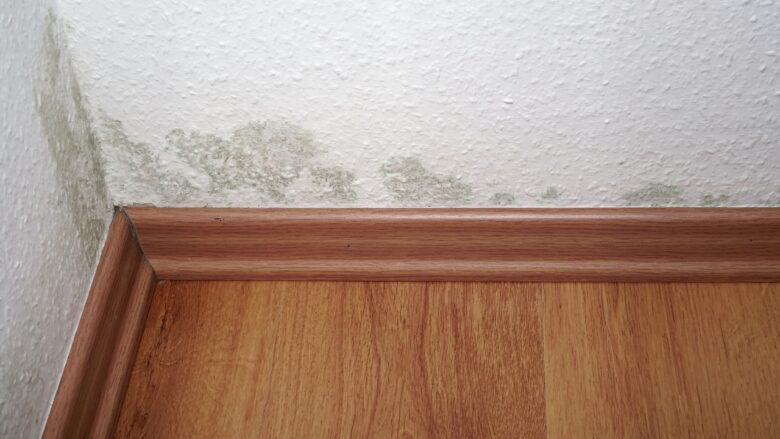
Check ceilings, walls, windows, cabinets, basements, crawlspaces, under sinks, and areas around tubs and toilets.
Look closely for signs that moisture has already affected surfaces or materials:
- Musty odors or damp smells
- Yellow patches that may suggest water seepage
- Gray or black spots that may suggest mold growth
- Peeling paint, bubbling paint, flaky plaster, or discoloration
- Fresh paint patches that may be covering stains
Inspect caulking around sinks and tubs closely. Cracks, holes, dark stains, or gaps can suggest moisture or mold behind nearby walls.
Check grout around tubs, showers, and sinks. Crumbling grout can let water enter walls and floors.
Soft or warped sheetrock under window sills can signal moisture damage.
Basement and crawlspace red flags include efflorescence, spalling concrete blocks, corrosion, mold on floor joists, and rotting wood. Efflorescence matters because it can signal water movement through masonry. Water damage can point to roof leaks, plumbing leaks, poor drainage, ice dams, or hidden mold. If you already see staining, damp odors, or soft materials, ask the inspector what to do after water damage and which specialist should evaluate the area next. Moisture can lead to mold, mildew, fungal growth, termite attraction, respiratory problems, skin irritation, headaches, and other health concerns. Run water in every sink, tub, shower, and laundry area. Flush toilets during the test. Run the bathroom sink or tub faucet, then flush the toilet. Watch for a pressure drop and listen for gurgling. Run all faucets for two to three minutes to check drainage and water flow. Check the basement or cellar while water drains. Drips below can reveal pipe problems. Pipe material can affect risk, repair cost, and future maintenance: Polybutylene piping can be vulnerable to corrosion linked to cleaning chemicals and may burst. Slow drainage can point to clogged drains, poor installation, or sewer line trouble. Long-term leaks, seepage, poor maintenance, and mold may not be covered by typical homeowner insurance because policies often focus on sudden or accidental events. Walk through the home slowly and look for signs of shifting. Check for cracks in basement walls, ceilings, and areas around door frames. Watch for movement clues throughout the home and around exterior surfaces: Roll a marble or coin across the floor to check the slope. Set a coin on its edge. Rolling can suggest an uneven floor. Press your cheek against a wall and look along the surface for waves, slopes, or irregular areas. Hairline cracks can be normal settlement. Cracks wider than about ¼ inch should be treated as warning signs. Peeling or rust on steel basement support columns can signal dampness and weakened support. Foundation issues can be among the most expensive repairs and can affect safety, value, financing, and livability. Look at the roof at ground level and ask how the inspector will evaluate it. A home inspector may observe the roof without climbing onto it. A third-party roof specialist may be needed. Inside, check upper ceilings and walls for water stains, dark spots, moisture, and bulging patches. In the attic, look for daylight through roof boards, musty odors, insulation problems, and ventilation problems. Gutters, downspouts, and eavestroughs should move water away, not toward the foundation. Inspect flues and chimneys for corrosion, masonry problems, and damaged interior lining. Roof issues can lead to leaks, mold, pest entry, poor ventilation, attic moisture, ceiling damage, and fire hazards. Test lights, outlets, switches, and appliances. Turn every light switch on and off. Plug a device into outlets in each room. Look for warning signs tied to unsafe wiring, overload, or poor repair work: Locate the electrical panel and check if the labels are accurate. Make sure smoke detectors and carbon monoxide detectors are placed throughout the home. Older homes may need major rewiring because older wiring was not designed for modern electrical loads. Faulty wiring can cause malfunctioning lights, damaged fixtures, and fire risk. Two-prong outlets may not support grounded electronics like computers or TVs. Adapters are not ideal for long-term use. Ask about the age and maintenance history of the furnace, AC, water heater, and ventilation systems. Pay attention to airflow throughout the home, attic, and crawlspaces. Look for maintenance stickers on the furnace, water heater, and AC units. Ask when the furnace and water heater were last maintained. HVAC systems generally last around 15 to 25 years with regular upkeep. Excessive window fogging or condensation can sometimes point to furnace or heat-exchanger issues. HVAC problems affect comfort, indoor air quality, moisture control, mold prevention, ventilation, and safety. Walk the full property, not just the house. Check exterior areas that can direct water toward the home or reveal poor maintenance: Clear patio ground drains matter. Blocked drains can push water toward the home. Roof drainage should move water away, not toward the foundation. Probe deck boards and structural boards for termite damage, rotted wood, frost heave, weakened beams, weakened posts, and weakened joists. Steeply sloped lots can increase storm, mudslide, or landslide concerns. Ask about fallen trees or branches on properties with mature trees. If the home has a septic system, ask about age. Systems over 30 years may be due for replacement. Ask what bedroom capacity the septic system is rated for. A system rated for three bedrooms may be overloaded after a remodel to five or more bedrooms. Poor exterior drainage can damage the foundation, basement, siding, landscaping, and exterior structures. Inspect closets, cabinets, under stairs, basements, attics, decks, storage areas, pantries, behind appliances, and exterior gaps. Piles of sawdust near entry holes may suggest carpenter ants. Scratching or chewing sounds behind walls, ceilings, or floors can suggest pest activity. Look for exterior gaps larger than about ¼ inch because pests may use them to enter. Look in trees and under overhangs for bee, wasp, and hornet nests. Test every door, window, shutter, cabinet, and drawer. Warped bathroom cabinets, stuck windows, and closet doors falling off hinges can signal moisture, water damage, foundation movement, or poor installation. Pests can damage wiring, insulation, and structural wood. Termites can compromise structural integrity. Rodents can carry disease-causing parasites and chew wires. Doors and windows that fail to open or close correctly may reveal foundation movement, water damage, or poor installation. Do not panic over every flaw. No home is perfect. Every warning sign should help guide the inspector’s attention. Be cautious if sellers use strong scents or music during showings. Scents may cover mold, sewage, wood rot, or pet odors. Music may hide leaks, wildlife sounds, ceiling-fan noise, or other warning sounds. Be cautious if rooms, crawlspaces, or other areas are off-limits before an offer. Be cautious if a seller offers incentives to waive inspection. Never skip inspection on an “as-is” property. Sellers typically will not fix issues or adjust the price after inspection findings.Hidden Issue #2 – Plumbing Problems and Slow Drainage
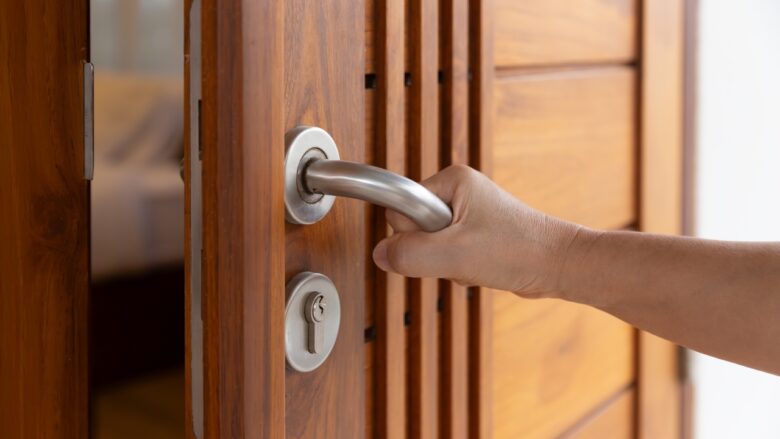
Inspect under sinks, around faucets, tubs, showers, laundry areas, and toilets.Hidden Issue #3 – Foundation and Structural Red Flags
Hidden Issue #4 – Roof, Attic, and Ventilation Problems
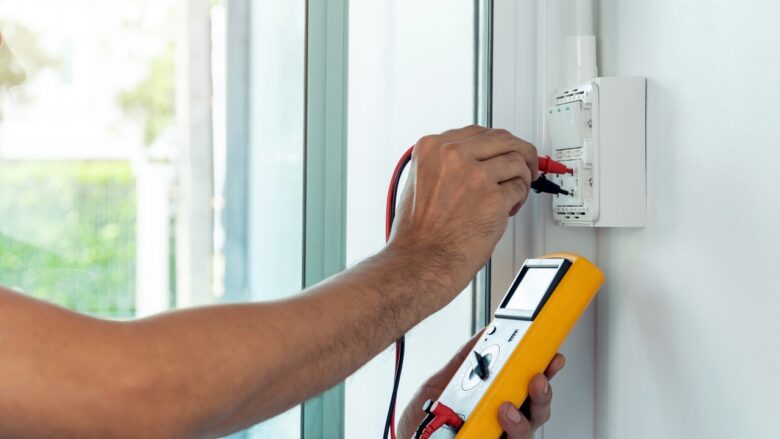
Hidden Issue #5 – Electrical Hazards
Hidden Issue #6 – HVAC, Heating, Cooling, and Moisture Control
Hidden Issue #7 – Exterior Drainage, Yard, and Property Problems
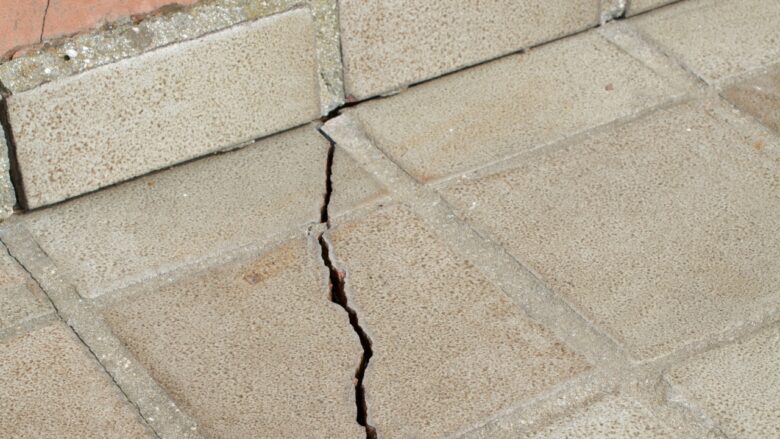
Hidden Issue #8 – Pests, Wood Damage, Doors, and Windows
What To Do If You Spot a Red Flag